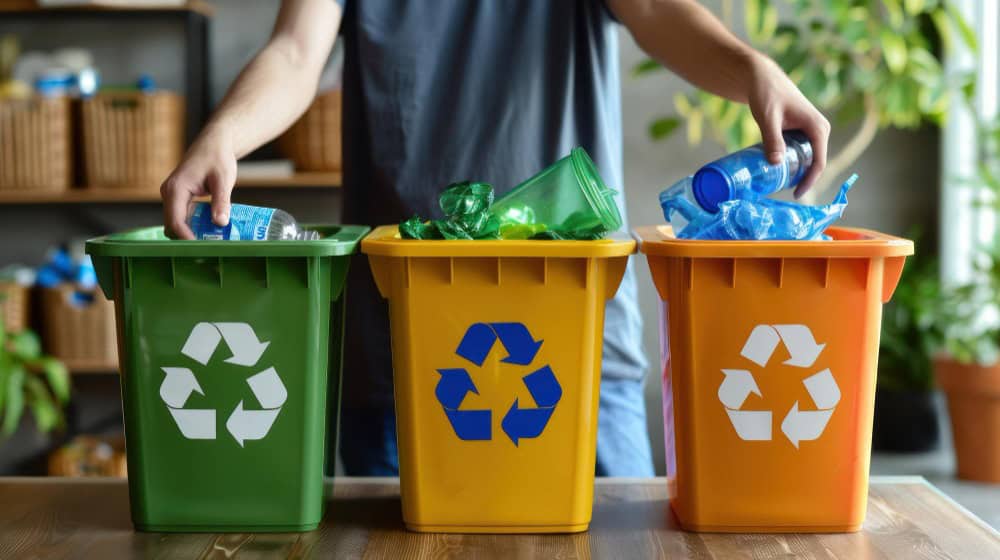
According to Next Move Strategy Consulting, the Denmark Waste Management Market, is poised for significant growth, with projections to reach USD 23.69 billion by 2030. This represents a Compound Annual Growth Rate (CAGR) of 4.36% by 2030. The country’s focus on sustainable waste management practices, technological innovations, and government-backed initiatives is driving this robust market expansion.
Sustainable Practices and Technological Advancements Lead the Growth
Denmark’s commitment to reducing environmental impact and embracing circular economy principles is at the heart of its growing waste management market. As one of Europe’s leaders in sustainability, Denmark has long been a pioneer in waste reduction, resource recovery, and responsible waste disposal. The country’s waste management ecosystem involves the collection, transportation, recycling, and safe disposal of waste materials, which are key services provided by a wide range of sectors, including residential, commercial, industrial, and healthcare.
The Denmark Waste Management Market is driven by increased recycling rates and the adoption of waste-to-energy technologies. These developments are not only helping to reduce landfill dependency but are also contributing to a more sustainable waste disposal process. With waste materials being converted into usable energy, Denmark is advancing in its efforts to achieve net-zero emissions while simultaneously fostering innovation in waste management solutions.
Try it Risk-Free – Download Your FREE Sample!
According to a report from the European Environment Agency published in 2023, Denmark produced over 800 kg of waste per capita in 2020. Remarkably, 53.9% of this waste was collected for recycling, while 45.2% was directed to incineration for energy generation. This shift towards more efficient and sustainable waste processing aligns with Denmark’s broader environmental goals, such as reducing the carbon footprint and encouraging sustainable energy generation.
Government Policies and Initiatives Accelerate Market Expansion
Government initiatives play a pivotal role in propelling the waste management market in Denmark. The Danish government has set ambitious recycling targets and implemented policies that favor sustainable waste handling technologies, particularly in the waste-to-energy sector. These measures include incentives for companies to adopt circular economy practices and stringent regulations that prioritize waste reduction and resource recovery.
Get Instant Access to a FREE Sample!
One notable initiative is the country’s goal to reduce the incineration of plastic waste by over 80% by 2030. This ambitious target, paired with the government’s commitment to establishing clear frameworks for municipal second-hand stores and requiring ecolabels in public procurement, signals a forward-thinking approach to waste management that prioritizes recycling and waste-to-energy technologies.
The proactive nature of these policies is driving Denmark’s market expansion and positioning the country as a model for sustainable waste practices. Moreover, the Danish government’s focus on e-waste management is attracting both local and international investments, further boosting innovation and market growth.
Infrastructure and Regulatory Challenges Impact Growth
Despite the positive outlook for the Denmark waste management market, regulatory and infrastructure challenges remain. Stringent environmental regulations and high compliance costs can create barriers for further industry expansion. Waste management companies face the constant pressure of adhering to local and European regulations, which may lead to higher operational costs and delays in the implementation of new technologies.
Additionally, infrastructure challenges, such as the need for modernized recycling facilities and waste treatment plants, pose obstacles that require continued investment from both public and private sectors. Overcoming these challenges will be crucial for maintaining market growth and ensuring that Denmark meets its sustainability goals in the coming years.
The Growing Role of Waste-to-Energy Technologies
One of the most promising growth opportunities in the Denmark Waste Management Market lies in the adoption of waste-to-energy technologies. Incineration, anaerobic digestion, and gasification technologies have emerged as viable solutions to convert waste materials into usable energy, reducing landfill dependency and supporting sustainable energy generation.
Denmark has long been a leader in the development and implementation of waste-to-energy technologies, with a number of successful projects already in operation. These technologies not only help to reduce the environmental impact of waste but also provide an economic advantage by generating energy from waste, further fueling the country’s transition to a circular economy.
The widespread adoption of waste-to-energy systems across Denmark is expected to drive the growth of the waste reduction and landfill management sectors. As the country continues to push for greater energy efficiency and environmental sustainability, waste-to-energy technologies will play an increasingly integral role in the broader waste management landscape.
Key Segments in the Denmark Waste Management Market
The Denmark Waste Management Market encompasses various waste types and treatment methods, reflecting the diverse needs and challenges within the country’s waste sector.
- Waste Type
- Municipal Solid Waste (MSW) – Household waste, including food, paper, cardboard, plastic, glass, and metal
- Industrial Waste – Manufacturing, construction, and demolition waste, agricultural waste, and other industrial waste
- Commercial Waste – Waste generated by businesses and service providers
- Waste Treatment Methods
- Composting
- Incineration
- Landfilling – Controlled, uncontrolled, sanitary, and open dump
- Recycling
Key Players in the Denmark Waste Management Market
Several key players are making their mark in the Denmark waste management industry, including:
- Danish Waste Solutions ApS
- Marius Pedersen A/S
- Renosyd
- RGS Nordic
- Vestforbrænding
- Amager Resource Center (ARC)
- AVV I/S
- Nordforbrænding
- AffaldVarme Aarhus
- REFA
- Stena Recycling A/S
- Eldan Recycling A/S
- Verdis A/S
These companies are driving innovation, leading sustainability initiatives, and providing waste management services that cater to a broad range of industries. Their expertise in waste reduction, recycling, and energy recovery continues to shape the future of Denmark’s waste management landscape.
Market Outlook and Conclusion
As Denmark moves toward a more sustainable future, its waste management market is set to continue its upward trajectory. Driven by government policies, technological advancements, and the growing importance of circular economy practices, the market is expected to expand at a CAGR of 4.36% from 2024 to 2030. Despite challenges such as regulatory pressures and infrastructure constraints, the adoption of waste-to-energy technologies and increased public demand for eco-friendly solutions will support long-term market growth.
Denmark’s leadership in waste management innovation offers valuable lessons for other countries aiming to reduce waste, improve recycling rates, and transition to sustainable energy systems. With a strong regulatory framework and commitment to sustainable practices, Denmark is positioned to remain a global leader in waste management well into the future.
