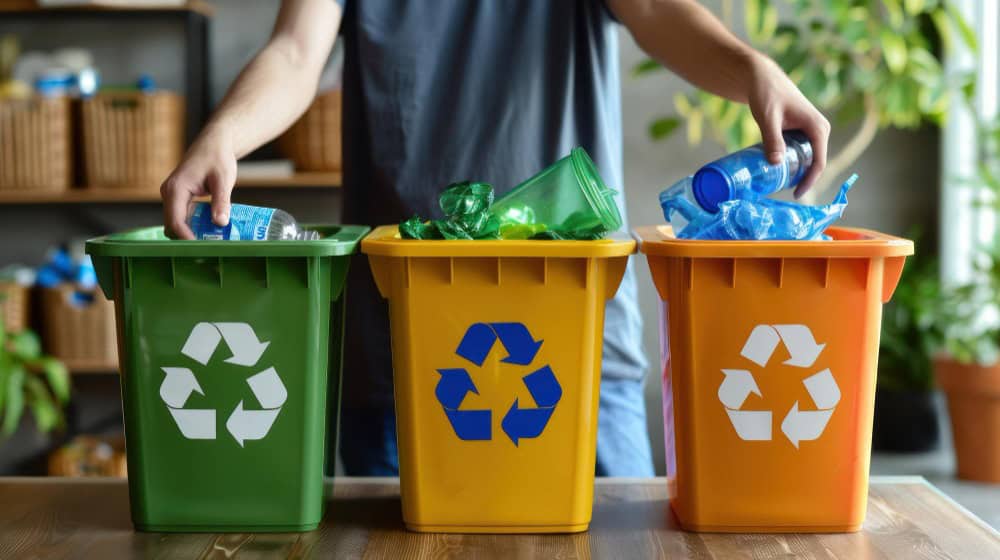
According to Next Move Strategy Consulting, Italy Waste Management Market, is projected to reach USD 11.44 billion by 2030, with a compound annual growth rate (CAGR) of 2.80% by 2030. This growth is driven by increasing environmental concerns, technological advancements, and the rising demand for sustainable waste solutions across residential, commercial, industrial, and healthcare sectors.
The Italy Waste Management Market encompasses a broad spectrum of services designed to address the growing need for waste collection, transportation, recycling, and disposal in an environmentally responsible manner. The sector also focuses on innovative practices aimed at waste reduction, resource recovery, and managing hazardous materials safely.
Explore the Benefits with a FREE Sample!
Environmental Concerns Driving Market Growth
Environmental awareness and the urgent need for sustainable waste management practices are key factors propelling the expansion of the waste management market in Italy. With the global population increasing and urbanization intensifying, managing waste in an eco-friendly manner has become a priority for both consumers and businesses alike.
As highlighted in the Eurostat 2023 report, Italy stands out in the European Union for its commitment to sustainability, with an impressive 83.2% recycling rate achieved in 2020. In 2023, Italy generated 174.9 million tonnes of waste, prompting greater adoption of advanced recycling practices, composting, and waste-to-energy technologies. These developments are at the forefront of Italy’s waste management sector, positioning it for growth in the coming years.
Get Instant Access to a FREE Sample!
Technological Advancements and Industry Innovation
Innovative technologies and practices by key players in Italy’s waste management market are also driving demand for more sustainable solutions. Companies are investing heavily in research and development to create cutting-edge solutions for waste collection, processing, and recycling. One notable development was the strategic partnership between Crocco (SpA SB) and Versalis in June 2024, which led to the creation of food packaging films made from recycled post-consumer plastics. This initiative aims to target large-scale retail markets, demonstrating how innovation in waste recycling can fuel both market growth and environmental sustainability.
Additionally, the increasing demand for circular economy solutions, where waste is treated as a resource rather than a problem, is a significant driver of innovation. The ability to turn waste materials into usable products or energy is creating new opportunities for market players to explore, while also meeting the evolving expectations of environmentally conscious consumers and businesses.
Challenges: High Costs of Waste Collection and Disposal
Despite the promising growth prospects, Italy’s waste management industry faces significant challenges. One of the primary obstacles is the high cost associated with waste collection, transportation, and disposal services. Stringent regulatory requirements for recycling, waste treatment, and environmental compliance are driving up operational costs for companies in the sector.
Moreover, the limited availability of landfill space and the substantial investments required to build advanced waste treatment facilities—such as recycling plants and waste-to-energy facilities—pose additional challenges, particularly for small and medium-sized enterprises (SMEs) struggling to keep up with technological advancements and regulatory standards.
Waste-to-Energy Technologies: A Key Growth Opportunity
While challenges exist, one area that presents tremendous growth potential is the adoption of waste-to-energy technologies. Technologies such as incineration, anaerobic digestion, and gasification offer effective solutions for converting waste materials into usable energy. By reducing dependence on landfills, waste-to-energy technologies contribute to more sustainable waste management practices and create a promising avenue for the sector’s future growth.
The integration of waste-to-energy systems into Italy’s waste management infrastructure supports the country’s broader goals of environmental sustainability and circular economy practices. The economic benefits of generating energy from waste are also significant, helping to offset some of the high costs associated with waste management operations.
Key Segments of Italy’s Waste Management Market
The waste management market in Italy is segmented based on various factors, including waste types, treatment methods, and industries served.
By Waste Type:
- Municipal Solid Waste (MSW): Household waste, including food, paper, cardboard, plastic, glass, and metal.
- Industrial Waste: Manufacturing, construction & demolition, agricultural, and other industrial waste.
- Commercial Waste: Waste generated by businesses and services.
By Waste Treatment:
- Composting: Organic waste treatment for soil enhancement.
- Incineration: Burning waste to generate energy or reduce volume.
- Landfills: Controlled and sanitary landfills for waste disposal.
- Recycling: Sorting and processing waste materials for reuse.
This segmentation helps stakeholders—from government agencies to private companies—design targeted strategies to address waste management challenges effectively and efficiently across various sectors.
Competitive Landscape
The Italy Waste Management Market features several prominent players, all of whom are contributing to the market’s growth through innovation, strategic partnerships, and sustainable business practices. Key players in the market include:
- Siriam S.p.A
- A2A Ambiente S.p.A.
- Herambiente S.p.A.
- Hera Group
- ACEA Ambiente
- Utilitalia
- Iren Ambiente
- AMSA (Azienda Milanese Servizi Ambientali)
- ECO-RICICLI Veritasm
- Sogliano Ambiente
These companies are actively working to enhance the efficiency of waste collection, processing, and recycling operations. By investing in new technologies, such as waste-to-energy and recycling systems, they are helping to drive market growth while improving environmental outcomes.
Conclusion: A Sustainable Future for Italy’s Waste Management Market
The waste management sector in Italy is on an upward trajectory, with a strong growth forecast driven by environmental awareness, innovative solutions, and the adoption of sustainable practices.
However, overcoming challenges such as high operational costs, limited landfill space, and the need for continued regulatory compliance will require ongoing collaboration between government bodies, businesses, and consumers. By prioritizing innovation, sustainability, and circular economy practices, Italy can pave the way for a greener, more efficient future in waste management.
