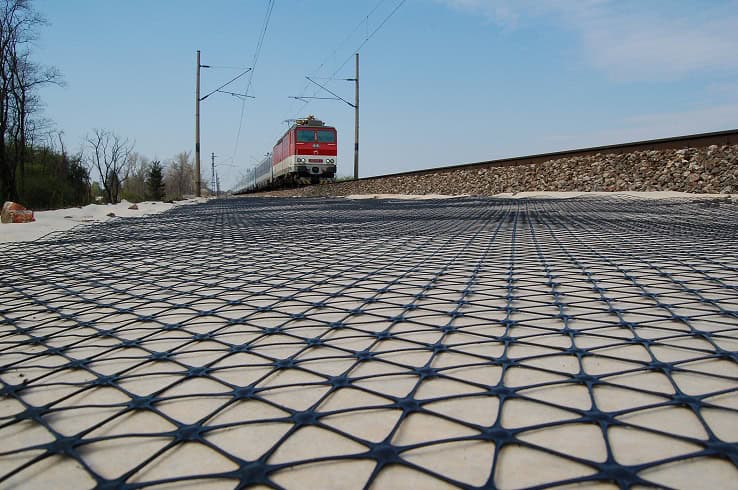
USD 23.10 billion with a compound annual growth rate (CAGR) of 7.4% till 2030. This growth is driven by the increasing demand for sustainable infrastructure solutions, the rise in construction activities, and the growing awareness regarding environmental protection. Geosynthetics, which include a range of synthetic materials like geomembranes, geotextiles, geogrids, and geocells, are used to improve soil, water, and structural integrity in various construction applications, making them a key component in modern civil engineering.
Rising Demand for Sustainable Infrastructure
The construction industry is undergoing a significant transformation as governments, businesses, and organizations seek ways to reduce their environmental impact and enhance the longevity of their infrastructure. Geosynthetics market are playing an essential role in these efforts, offering sustainable solutions for projects such as roads, dams, landfills, and drainage systems. These materials contribute to sustainability by reducing resource consumption, improving energy efficiency, and reducing waste generation.
Test It First – Download Your FREE Sample!
Key Drivers Behind Geosynthetics Market Growth
- Increased Infrastructure Development and Urbanization
Rapid urbanization and population growth across the globe are driving the demand for more durable, sustainable, and cost-efficient infrastructure. Geosynthetics offer an effective solution for reinforcing soil, stabilizing structures, and ensuring the sustainability of critical infrastructure. These materials are used in road construction, drainage systems, landfills, erosion control, and slope stabilization—each of which is integral to maintaining urban infrastructure.
- Advancements in Geosynthetics Technology
Technological advancements in geosynthetics are enhancing their performance and expanding their applications. Innovations in materials and manufacturing techniques have resulted in products with improved durability, strength, and resistance to harsh environmental conditions. These improvements have made geosynthetics a preferred choice for challenging applications, such as high-traffic roadways, large-scale landfills, and stormwater management systems.
- Environmental Concerns and Waste Management
The growing focus on environmental conservation and waste management is another key driver of the geosynthetics market. These materials are increasingly used for lining landfills, controlling erosion, preventing contamination, and stabilizing soil to avoid land degradation. Geosynthetics are helping mitigate environmental challenges by providing cost-effective solutions for waste containment and preventing harmful substances from reaching groundwater.
- Regulatory Support for Sustainable Practices
Governments around the world are enacting stricter regulations to promote environmentally friendly construction practices. Policies aimed at reducing carbon emissions, enhancing energy efficiency, and promoting sustainability are pushing industries to adopt greener solutions. The use of geosynthetics in construction projects, which contribute to resource optimization and sustainable practices, is increasingly being supported through incentives, subsidies, and government-backed programs.
Geosynthetics Market Segmentation
The global geosynthetics market can be segmented into products and applications. The primary product categories include geotextiles, geomembranes, geogrids, geocells, and others. Each of these products serves specific functions in the construction and environmental industries.
- Geotextiles: Used in road construction, drainage systems, and soil stabilization, geotextiles are one of the most commonly used types of geosynthetics. They provide filtration, separation, and reinforcement, making them ideal for a variety of civil engineering applications.
- Geomembranes: Primarily used for lining applications in landfills, reservoirs, and wastewater treatment plants, geomembranes are critical for environmental protection and preventing leakage of hazardous substances.
- Geogrids: Geogrids are used in applications such as road construction, slope stabilization, and soil reinforcement. They help distribute loads and improve the bearing capacity of soil, making them highly effective in large-scale infrastructure projects.
- Geocells: These three-dimensional structures are used in applications like slope protection, erosion control, and roadbed stabilization. Geocells improve load-bearing capacity and reduce soil erosion.
Challenges Facing the Geosynthetics Market
Despite its promising growth trajectory, the geosynthetics market faces some challenges. One of the main obstacles is the high cost of geosynthetic materials compared to traditional methods. While geosynthetics offer long-term cost savings due to their durability and reduced maintenance requirements, the initial cost can be a barrier for some companies and governments, especially in regions with budget constraints.
Geosynthetics Market Regional Insights
North America and Europe are expected to remain dominant regions in the geosynthetics market, driven by ongoing infrastructure projects and stringent environmental regulations. These regions are adopting geosynthetics for a variety of applications, including road construction, landfills, and erosion control.
Asia Pacific, especially countries like China and India, is expected to witness rapid growth in the geosynthetics market, fueled by urbanization, industrialization, and large-scale infrastructure development. In particular, emerging markets in Southeast Asia, the Middle East, and Africa are adopting geosynthetics to address challenges related to water management, soil stabilization, and waste containment.
Conclusion
The global geosynthetics market is on a strong growth path, driven by the demand for sustainable infrastructure solutions, technological advancements, and regulatory support for eco-friendly construction practices. As the world faces increasing environmental challenges, geosynthetics offer a cost-effective and sustainable solution to enhance infrastructure durability, protect the environment, and ensure long-term stability.
With innovations in geosynthetics technology and expanding applications across various industries, the market is poised for a promising future. Businesses, governments, and environmental organizations will continue to drive the adoption of geosynthetics as they strive to meet the growing demand for sustainable infrastructure and waste management solutions.
