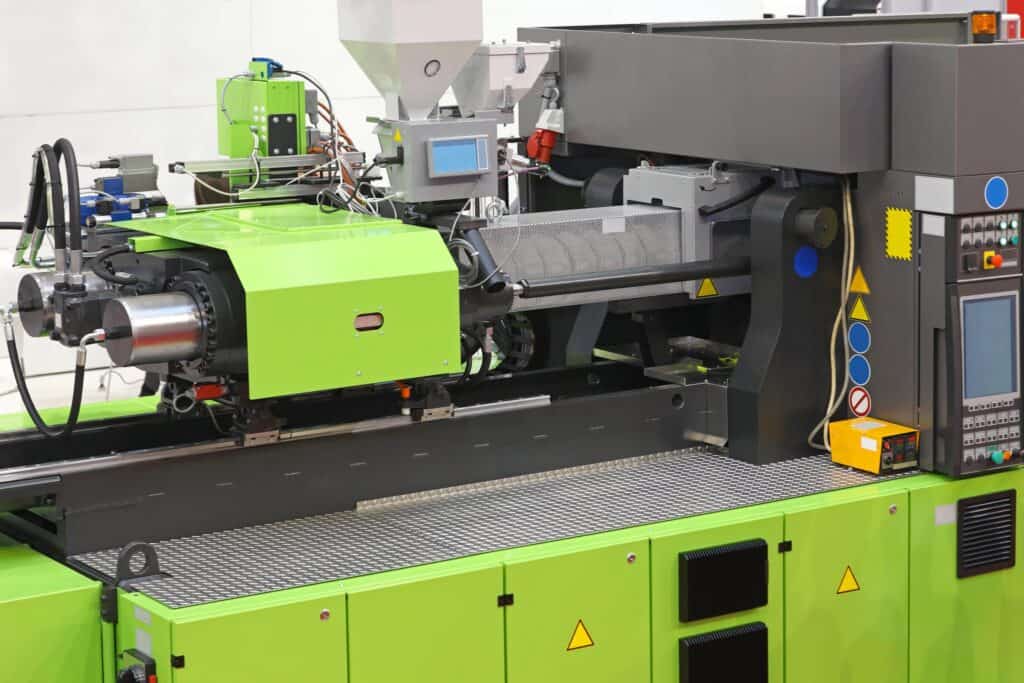
The Africa injection molding machine market is set to witness substantial growth, as rising industrialization and increasing demand from key sectors such as automotive, packaging, and consumer goods propel the adoption of advanced molding technologies. This growth reflects the ongoing industrialization efforts across the continent and the increasing need for efficient, high-performance plastic components in a variety of applications.
Africa Injection Molding Machine Market is predicted to reach USD 186.31 million with a CAGR of 6.6% by 2030. Injection molding, a highly efficient manufacturing process for producing plastic parts, is becoming increasingly essential to meet the growing demand for precision plastic components in Africa. As more industries expand and modernize their production capabilities, the region is poised to embrace the technological advancements that make injection molding solutions more accessible and cost-effective.
Download Your Free Sample Today!
Key Market Drivers
Several factors are contributing to the growth of the injection molding machine market in Africa:
- Automotive Industry: The automotive sector is a significant driver of the injection molding machine market in Africa, particularly in countries like South Africa, Morocco, and Egypt, where automotive manufacturing hubs are rapidly developing. As demand for vehicles rises across the continent, manufacturers are turning to injection molding machines to produce lightweight, durable, and high-quality plastic components for automotive interiors, exteriors, and engines. Additionally, the growing adoption of electric vehicles (EVs) is further boosting the demand for specialized plastic components, which injection molding technology is well-suited to produce.
- Packaging Industry: Africa’s expanding packaging industry is another key contributor to the market growth. With rapid urbanization and a growing middle class, demand for packaged goods, such as food, beverages, and consumer products, is increasing across the continent. Injection molding machines are essential in the high-volume production of plastic packaging components, including bottles, containers, and caps. Additionally, rising consumer preference for sustainable and eco-friendly packaging is pushing manufacturers to adopt energy-efficient and cost-effective injection molding solutions that minimize waste and improve recyclability.
- Consumer Goods and Electronics: The consumer goods sector in Africa is undergoing rapid growth, driven by increased disposable incomes and evolving consumer preferences. As demand for plastic products such as household items, toys, and personal care products increases, manufacturers in the region are relying on injection molding technology to meet production demands. The electronics sector, particularly in countries like South Africa, Nigeria, and Kenya, is also a significant driver, with injection molding used to create precision plastic components for mobile phones, laptops, and other electronic devices.
- Construction and Infrastructure: The construction and infrastructure industries in Africa are expanding rapidly, with governments and private investors focusing on infrastructure development, including residential, commercial, and industrial projects. Injection molding machines are increasingly used to produce plastic components for construction materials such as piping, insulation, and electrical fittings, which are essential for these infrastructure projects. This trend is contributing to the market growth as manufacturing capabilities in the construction sector increase.
Technological Advancements in Injection Molding Machines
The Africa injection molding machine market is evolving with several technological advancements that are enhancing production efficiency, precision, and sustainability. These trends are helping businesses stay competitive as they adapt to the changing demands of the market.
Click to Uncover the Full News
- Automation and Smart Manufacturing: Automation is playing a significant role in transforming the injection molding process in Africa. The integration of robotics, sensors, and artificial intelligence (AI) is enabling manufacturers to optimize production efficiency, reduce cycle times, and improve product quality. Additionally, the rise of Industry 4.0 technologies is allowing manufacturers to incorporate real-time monitoring, predictive maintenance, and process optimization, which are improving overall operational effectiveness.
- Energy-Efficient Machines: Energy efficiency is a growing concern in Africa, where electricity costs can be a significant burden on manufacturing operations. The demand for energy-efficient injection molding machines is increasing as manufacturers seek to reduce operational costs and minimize their environmental impact. Newer electric and hybrid injection molding machines are gaining popularity as they offer higher precision, faster cycle times, and reduced energy consumption compared to traditional hydraulic models.
- Sustainability in Manufacturing: As environmental concerns become more pronounced, manufacturers in Africa are adopting more sustainable production practices. The shift toward using biodegradable and recycled materials in injection molding is gaining traction. Advances in materials technology are allowing manufacturers to use sustainable plastics without compromising the quality or performance of molded products. Injection molding machines designed to handle these new materials are helping to further the adoption of sustainable manufacturing practices in the region.
- Customization and Flexibility: As industries across Africa diversify, the need for customized and flexible injection molding machines is growing. Manufacturers require machines capable of producing a wide range of plastic products with varying designs, materials, and complexities. Injection molding machines that offer the ability to handle multiple materials, varying product sizes, and complex geometries are increasingly in demand, allowing companies to cater to the specific needs of different industries.
Regional Insights
The Africa injection molding machine market is dominated by several key regions:
- South Africa: As the leading industrial hub on the continent, South Africa remains a major market for injection molding machines, driven by demand from automotive, packaging, and consumer goods industries. The country’s well-developed manufacturing infrastructure and strong automotive industry are key drivers of market growth.
- North Africa: Countries such as Morocco, Egypt, and Tunisia are rapidly emerging as key players in the injection molding machine market. The automotive and packaging industries in these regions are expanding, and investment in advanced manufacturing technologies is helping to drive the adoption of injection molding solutions.
Challenges Facing the Market
While the Africa injection molding machine market shows strong growth potential, several challenges need to be addressed for sustained development:
- High Initial Investment Costs: The cost of acquiring and maintaining injection molding machines can be a barrier to entry for small and medium-sized enterprises (SMEs) in Africa. High initial capital investment and ongoing operational expenses can limit access to advanced molding technologies, especially in developing economies.
- Skilled Labor Shortage: The demand for skilled technicians and engineers to operate and maintain advanced injection molding machines is high, but there is a shortage of skilled workers in many African countries. This skills gap can hinder the growth and efficiency of the injection molding industry in the region.
- Supply Chain Challenges: Supply chain disruptions, particularly related to the availability of raw materials and machine parts, continue to pose a challenge for manufacturers in Africa. Global economic factors, logistical issues, and import regulations can result in delays and higher production costs.
Conclusion
The Africa injection molding machine market is on a strong growth trajectory, driven by demand from industries such as automotive, packaging, consumer goods, and construction. Technological advancements in automation, energy efficiency, and sustainable manufacturing practices are helping to optimize production processes, while challenges related to cost, skilled labor, and supply chain disruptions need to be addressed to unlock the full potential of the market. As Africa continues its industrialization journey, injection molding machines will remain a critical component in supporting the region’s manufacturing growth.
