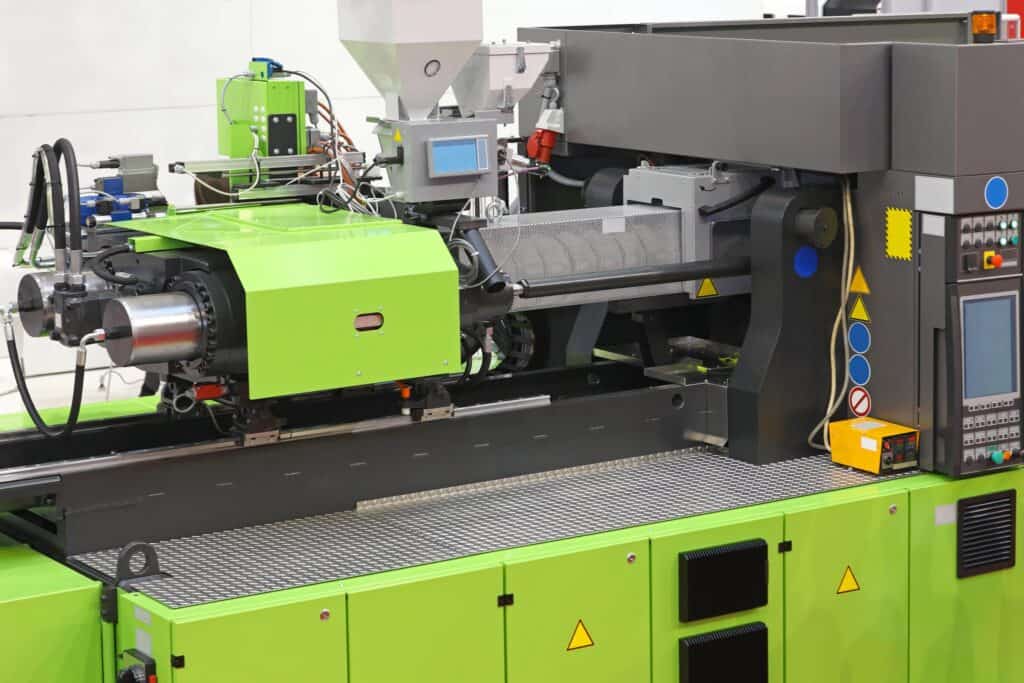
The UK injection molding machine market is poised for steady growth as industries increasingly turn to advanced molding technologies to meet rising demand for precision plastic components. Key industries such as automotive, packaging, consumer goods, and healthcare are driving this growth as manufacturers seek efficient, cost-effective solutions for mass production of high-quality plastic products.
UK Injection Molding Machine Market is predicted to reach USD 642.61 million with a CAGR of 0.4% by 2030. Injection molding, a widely used manufacturing process for producing plastic parts, plays a critical role in the UK’s industrial landscape. As the demand for durable, lightweight, and customizable plastic components continues to rise, injection molding machines are becoming indispensable for manufacturers across a wide range of sectors. This press release highlights the key drivers behind the market’s growth, emerging trends, and challenges that could impact its future development.
Claim Your FREE Sample and See the Difference!
Key Drivers of Market Growth
Several factors are contributing to the increasing adoption of injection molding machines in the UK:
- Automotive Industry: The UK automotive sector, one of the largest in Europe, remains a key driver of the injection molding machine market. As car manufacturers seek to produce more energy-efficient vehicles, the use of lightweight plastic components in both interiors and exteriors has surged. Injection molding machines are crucial for producing components such as dashboard panels, bumpers, interior trim, and engine parts. Additionally, the shift towards electric vehicles (EVs) has prompted the demand for specialized plastic components that are durable, lightweight, and high-performance. These evolving needs are spurring investment in advanced injection molding technologies that can meet the higher standards of modern automotive production.
- Packaging Industry: The UK packaging sector is another major contributor to the growth of the injection molding machine market. The ongoing shift toward sustainable and recyclable packaging solutions is driving the demand for efficient injection molding processes. Manufacturers are looking for ways to produce plastic packaging, such as bottles, containers, and food packaging, at high volumes with minimal waste. Injection molding machines offer precision and cost-effectiveness, allowing companies to create plastic products that meet consumer and regulatory expectations for sustainability, design, and safety.
- Consumer Goods and Healthcare: As demand for consumer goods and healthcare products continues to rise, injection molding machines are increasingly being used to manufacture everything from household items to medical devices. The need for lightweight, durable, and customizable plastic components is growing across sectors such as electronics, toys, home appliances, and personal care. Additionally, in the healthcare sector, the production of medical devices, pharmaceutical packaging, and diagnostic tools is pushing the need for highly accurate and reliable injection molding solutions.
- Electronics and Electrical Industry: The rapid growth in the electronics and electrical sectors is also supporting the demand for injection molding machines. Plastic parts are used in the manufacturing of consumer electronics, such as smartphones, tablets, and wearables, as well as in components like connectors, casings, and housings. Injection molding enables the creation of intricate and complex parts with high precision, meeting the increasingly sophisticated needs of the electronics industry.
Technological Advancements in Injection Molding Machines
The UK injection molding machine market is evolving with significant technological advancements that are enhancing production efficiency, precision, and sustainability. Some of the key trends driving innovation in the market include:
- Automation and Industry 4.0: The integration of automation technologies and smart systems is transforming injection molding processes. Manufacturers are adopting robotic systems and Industry 4.0 solutions to streamline production, reduce downtime, and optimize workflow. By integrating sensors, machine learning, and artificial intelligence, injection molding machines can now predict maintenance needs, enhance product quality, and increase overall operational efficiency. This shift toward automation is helping manufacturers meet the growing demand for faster, more efficient production.
- Energy-Efficient Machines: With rising energy costs and a growing emphasis on sustainability, energy-efficient injection molding machines are becoming increasingly popular. New models use less power while maintaining high performance, reducing both operational costs and carbon footprints. Additionally, electric injection molding machines, which offer greater precision and energy savings compared to traditional hydraulic models, are gaining traction among UK manufacturers seeking to improve their environmental impact.
- Sustainable Manufacturing Solutions: Manufacturers are increasingly adopting eco-friendly practices, and the injection molding industry is no exception. The push for sustainable materials and recycling solutions is fostering innovation in the development of machines that can handle biodegradable plastics and recycled materials. Moreover, the reduction of material waste during production is a key focus for machine manufacturers, with new technologies designed to enhance material efficiency and minimize scrap.
Challenges in the Market
While the UK injection molding machine market is experiencing positive growth, there are challenges that businesses must address in order to remain competitive:
- Cost of Raw Materials: The cost of raw materials, particularly plastics, can fluctuate significantly and impact production costs. This is a challenge for manufacturers looking to maintain profitability, especially in industries where cost efficiency is crucial. The price of raw materials is influenced by factors such as global supply chains, environmental regulations, and energy prices.
- Skilled Labor Shortage: The growing demand for advanced injection molding technologies requires a highly skilled workforce. However, there is a shortage of skilled technicians and engineers in the UK, which could limit the growth potential of the market. Investment in workforce training and development is essential to ensure that businesses have the talent required to operate and maintain cutting-edge injection molding machines.
- Global Supply Chain Disruptions: The ongoing challenges of global supply chain disruptions, particularly due to the COVID-19 pandemic and geopolitical tensions, have impacted the availability of raw materials and machinery. These disruptions have led to delays in production and increased lead times for equipment and spare parts, posing challenges for manufacturers in the UK who rely on timely delivery to meet production deadlines.
Regional Insights
The UK’s manufacturing hubs, including the Midlands, the North of England, and areas around London, are key centers for injection molding machine adoption. These regions house a large number of automotive, packaging, and consumer goods manufacturers that rely on injection molding technologies for mass production. The UK’s strategic location within Europe also makes it an ideal base for export-oriented manufacturers looking to serve markets across Europe and beyond.
Competitive Landscape
The UK injection molding machine market is highly competitive, with both global and local players offering a wide range of solutions. Major international manufacturers such as Engel, Arburg, KraussMaffei, and Haitian International are well-established in the UK, providing cutting-edge injection molding machines to meet diverse industry needs. Additionally, UK-based companies and distributors play a crucial role in providing localized support and service to manufacturers throughout the country.
Conclusion
The UK injection molding machine market is poised for steady growth, driven by the rising demand for high-quality, precision plastic components in industries such as automotive, packaging, healthcare, and consumer goods. Technological advancements, such as automation, energy efficiency, and sustainable manufacturing practices, are transforming the market, while challenges related to raw material costs and skilled labor need to be addressed for continued success. As the demand for plastic components continues to grow, injection molding machines will remain essential to the UK’s manufacturing future.
