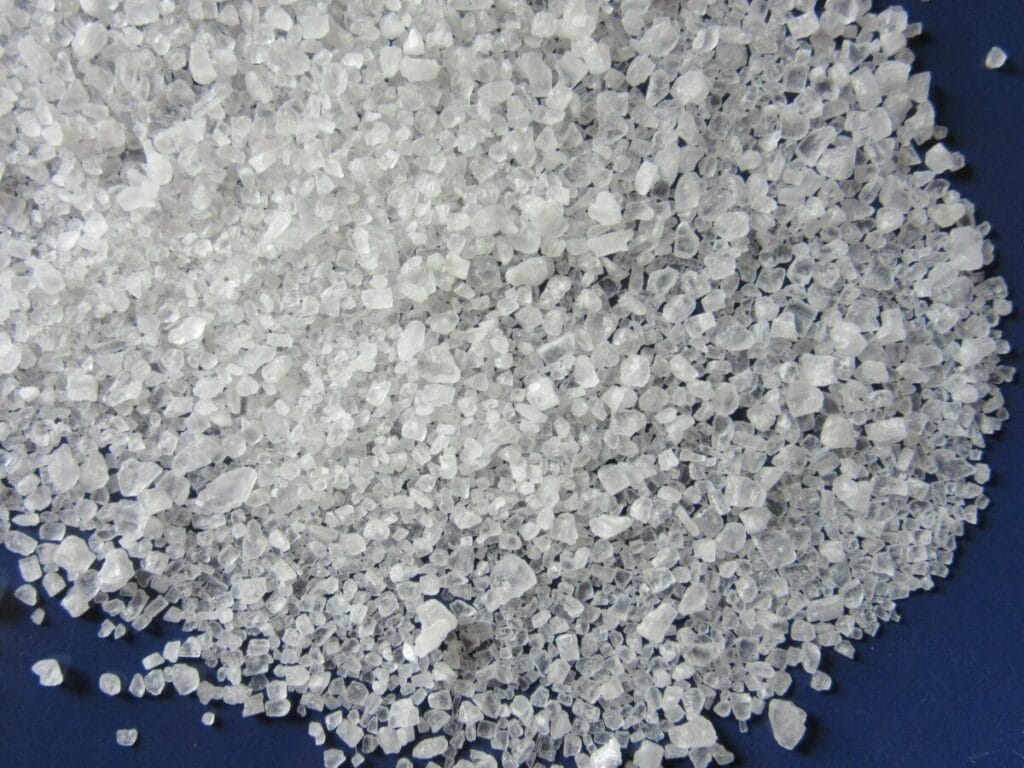
The global sodium cyanide market is on track to witness substantial growth, with an estimated market size of USD 3.39 billion growing at a compound annual growth rate (CAGR) of 4.9% till 2030. This growth is fueled by its extensive use in the mining, chemical, and other industrial sectors, where it plays a vital role in extracting precious metals, particularly gold and silver, and manufacturing a wide range of chemicals. With continued demand across these key industries, the market for sodium cyanide is expected to expand rapidly over the next decade.
Key Drivers of the Sodium Cyanide Market
- Demand from the Mining Industry The mining industry, particularly gold mining, remains the largest consumer of sodium cyanide. Sodium cyanide is widely used in the cyanide leaching process, a crucial technique for extracting gold and silver from ores. This process is vital in the extraction of precious metals from low-grade ore deposits, which are becoming increasingly common in modern mining operations.
- Chemical Manufacturing and Industrial Applications Apart from mining, sodium cyanide market is also used in the production of a variety of chemicals, including cyanuric chloride, adiponitrile (used in the production of nylon), and pharmaceutical intermediates. The chemical industry’s increasing reliance on sodium cyanide as a key raw material for synthetic processes is fueling the market’s growth.
Start with a FREE Sample – Download Now!
- Growth of the Pharmaceutical Sector Sodium cyanide is used as a critical raw material in the pharmaceutical industry, where it is involved in the production of various active pharmaceutical ingredients (APIs). With the increasing demand for pharmaceuticals worldwide, particularly in emerging markets, the demand for sodium cyanide in drug manufacturing applications is expected to grow.
Technological Advancements and Innovations in Sodium Cyanide Production
- Advancements in Cyanide Recovery and Recycling To mitigate environmental concerns and reduce waste, innovations in cyanide recovery and recycling technologies are being increasingly adopted in the mining and chemical sectors. Several companies are focusing on developing systems that can recover and reuse sodium cyanide from tailings, significantly improving the sustainability of mining operations.
- Shift Toward Safer and More Sustainable Alternatives Due to the toxicity of sodium cyanide, there is growing interest in finding safer and more sustainable alternatives, particularly in the mining industry. Research into non-toxic alternatives to cyanide-based leaching is ongoing, with some companies exploring organic alternatives, such as thiosulfate and glycine, for gold extraction.
Regional Insights: Key Markets for Sodium Cyanide
- North America – Leading Demand in Mining and Chemical Industries North America holds a significant share of the sodium cyanide market, primarily driven by the strong presence of gold mining operations in the U.S. and Canada. The growing demand for sodium cyanide in chemical manufacturing, particularly for the production of synthetic materials, further strengthens its position in the region.
- Asia-Pacific – Rapid Growth Driven by Emerging Economies Asia-Pacific is expected to witness the highest growth in the sodium cyanide market, primarily driven by the increasing industrialization of countries like China, India, and Indonesia. With the rapid expansion of the mining industry, particularly in gold and silver mining, the demand for sodium cyanide is expected to increase significantly in this region.
- Latin America – A Key Market for Mining Operations Latin America is another critical market for sodium cyanide, with countries like Brazil, Peru, and Mexico being key players in the global mining industry. These countries are home to significant gold and silver reserves, making them major consumers of sodium cyanide in the mining sector.
Challenges and Risks
Despite its widespread applications and growing demand, the sodium cyanide market faces several challenges. The toxicity of sodium cyanide poses significant safety and environmental risks, particularly in the mining industry, where accidental leaks and spills can result in severe environmental damage. Regulatory frameworks aimed at controlling the use and disposal of sodium cyanide are becoming stricter, compelling manufacturers and mining companies to adopt more sustainable practices.
Additionally, the volatility of raw material prices and fluctuations in demand for precious metals can affect the overall dynamics of the sodium cyanide market. While innovations in cyanide recovery and recycling are improving sustainability, the need for cost-effective and scalable solutions remains a challenge for many companies operating in the sector.
Conclusion
The sodium cyanide market is expected to experience significant growth in the coming years, driven by increasing demand from the mining, chemical, and pharmaceutical industries. Technological advancements in cyanide recycling and alternative extraction methods, along with the growing industrialization of emerging economies, are likely to support this expansion.
However, safety concerns and environmental regulations will continue to shape the market landscape, with a focus on sustainable practices and alternative solutions. Despite these challenges, sodium cyanide remains a crucial component in various industrial processes, making its demand a key driver of market growth.
