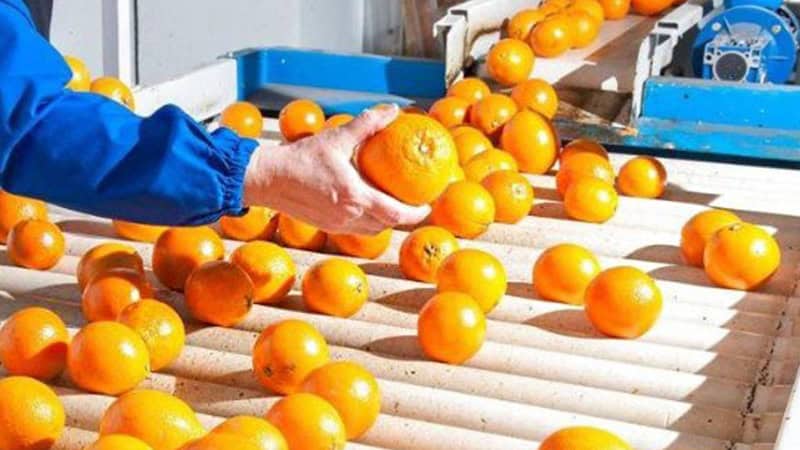
According to Next Move Strategy Consulting, the global Post-Harvest Treatment Market, is poised for significant growth, with projections indicating it will reach USD 3 billion by 2030. This growth represents a compound annual growth rate (CAGR) of 7% from 2024 to 2030, highlighting the increasing global demand for effective crop preservation methods. Post-harvest treatments play a crucial role in enhancing the shelf life, quality, and safety of harvested crops, reducing spoilage, and ensuring food security while minimizing waste across the agricultural supply chain.
Understanding Post-Harvest Treatment: A Key Pillar for Food Security
Post-Harvest Treatment Market, also known as crop preservation, involves methods and processes designed to protect and improve the quality of agronomic harvests after they have been harvested. These techniques aim to extend shelf life, prevent spoilage, and preserve the freshness of agricultural products, thus ensuring that consumers receive safe and nutritious food. Furthermore, post-harvest treatments significantly reduce food loss, which is vital for addressing global food security challenges.
Click Here for Your FREE Sample!
As food production continues to grow globally, preserving the quality and safety of harvested crops has become a key area of focus for agricultural industries. Effective crop preservation supports farmers and distributors in managing their produce efficiently, preventing post-harvest losses, and meeting the growing consumer demand for fresh, high-quality products year-round.
Market Dynamics and Emerging Trends
The global post-harvest treatment market is being driven by several dynamic forces:
- Stringent Food Safety Regulations
Government regulations and standards aimed at ensuring food safety and quality are a major driver of growth in the post-harvest treatment market. Authorities around the world are enforcing stricter guidelines for food storage, contamination prevention, and microbial growth mitigation. These regulations are critical in maintaining the integrity of agricultural products post-harvest, driving the demand for reliable crop preservation methods.
- Global Trade and Supply Chain Needs
As globalization continues to expand, the international trade of food products has increased significantly. Maintaining the quality and safety of perishable goods during transportation and storage is critical for meeting international standards. As a result, the demand for post-harvest treatments has surged, ensuring that crops remain fresh and free from contamination across borders. The growing volume of agricultural exports, especially fruits and vegetables, demands the use of advanced preservation techniques to extend the shelf life of produce. - The Rise of Organic and Sustainable Practices
Another significant trend driving the post-harvest treatment market is the increasing consumer preference for organic and sustainably grown agricultural products. This shift toward more environmentally conscious farming practices creates new opportunities for the development of post-harvest treatments tailored to organic farming. These treatments focus on using non-chemical, environmentally friendly methods that align with sustainable farming goals while maintaining the quality of the harvested produce.
Challenges to Market Growth
Despite the promising growth outlook, the post-harvest treatment market faces several challenges, particularly in rural regions. In countries where agriculture remains a dominant industry, inadequate infrastructure—such as insufficient storage facilities, roads, and access to electricity—poses significant barriers to efficient post-harvest management. These challenges limit the adoption and accessibility of advanced post-harvest treatments in rural areas, hindering market growth in these regions.
Additionally, while the market for post-harvest treatments is expanding, there is still resistance to the use of chemical-based treatments in some regions, due to environmental concerns and consumer preferences for organic produce. This demand for more natural solutions drives innovation in the development of eco-friendly and non-chemical treatment methods.
Regional Insights and Market Performance
The post-harvest treatment market is geographically diverse, with Asia-Pacific poised to dominate during the forecast period. The region’s strong agricultural production, especially in countries like China, India, and Japan, is a major factor driving the growth of the post-harvest treatment market
The Asia-Pacific region’s government investments in agriculture further support the growth of the post-harvest treatment market. By funding research and development initiatives, governments are facilitating the adoption of advanced crop preservation technologies.
In North America, the post-harvest treatment market is also experiencing steady growth. The region’s strong focus on sustainable agricultural practices, coupled with stringent food safety regulations, has increased the demand for post-harvest treatment solutions. This initiative further contributes to the growth of the post-harvest treatment market in North America, as it encourages farmers to adopt better preservation practices for their crops.
The enforcement of the U.S. Food Safety Modernization Act (FSMA) in 2022 has further bolstered the market in North America. The FSMA mandates stricter food safety standards, including regulations around post-harvest treatment methods, ensuring the safety and quality of food products throughout the supply chain.
Competitive Landscape
The post-harvest treatment market is highly competitive, with several key players driving innovation and shaping the industry. Notable companies in the market include:
- UPL Limited
- MustGrow Biologics Corporation
- JBT Corporation
- Hazel Technologies, Inc.
- Xeda International
- AgroFresh Solutions, Inc.
- Syngenta Group
- Valent Biosciences Corporation
- Citrosol International
- Futureco Bioscience LLC
To maintain their dominance in the market, these companies are adopting various strategies such as partnerships, mergers, and technological advancements. This collaboration is aimed at addressing the specific challenges faced by the potato and banana industries, reducing post-harvest losses, and enhancing crop preservation.
Similarly, AgroFresh Solutions partnered with Strella, a sensor technology startup, to enhance their post-harvest freshness solutions. By integrating Strella’s real-time perishability data into AgroFresh’s systems, the companies aim to optimize inventory management and improve the freshness and quality of stored fruits.
Market Segmentation
The global post-harvest treatment market is segmented based on product type, crop type, and region:
- By Product Type:
- Coatings
- Cleaners
- Sanitizers
- Fungicides
- Sprout Inhibitors
- Ethylene Blockers
- Others
- By Crop Type:
- Fruits
- Vegetables
- By Region:
- North America: The U.S., Canada, Mexico
- Europe: The U.K., Germany, France, Italy, Spain, Denmark, Netherlands, Finland, Sweden, Norway, Russia, Rest of Europe
- Asia-Pacific: China, Japan, India, South Korea, Australia, Indonesia, Singapore, Taiwan, Thailand, Rest of Asia-Pacific
- Rest of the World (RoW): Latin America, Middle East, Africa
Conclusion
The global post-harvest treatment market is on track for significant growth, driven by stringent food safety regulations, the rise of sustainable farming practices, and the increasing demand for high-quality, fresh produce. The market is projected to grow to USD 3 billion by 2030, at a CAGR of 7%. As the global agricultural landscape continues to evolve, post-harvest treatments will remain a critical tool for reducing waste, improving food security, and meeting consumer demand for safe and high-quality food products.
