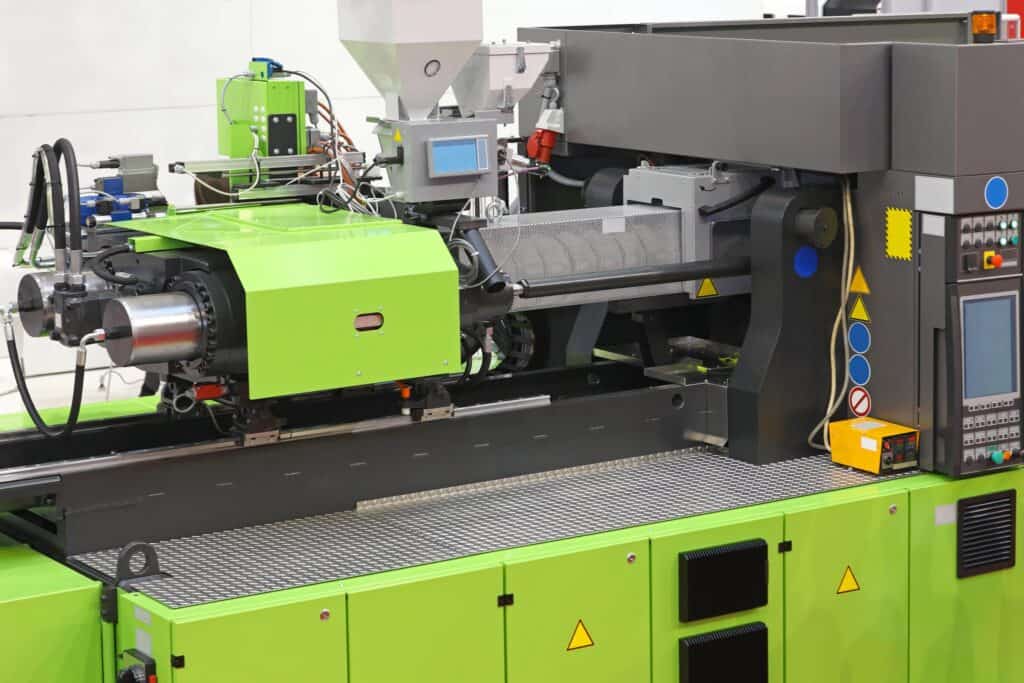
The injection molding machine market in Japan is expected to see steady growth in the coming years, fueled by demand across key industries such as automotive, electronics, and packaging.
Japan Injection Molding Machine Market is predicted to reach USD 1.72 billion, with a CAGR of 2.0% by 2030. The increasing focus on automation, precision manufacturing, and sustainability is driving adoption, positioning injection molding as a crucial technology in Japan’s manufacturing landscape.
Automotive Industry Boosting Demand for Advanced Injection Molding Machines
Japan automotive industry remains one of the largest drivers of the country’s injection molding machine market. As the global automotive sector shifts towards electric vehicles (EVs) Japanese manufacturers are increasingly turning to injection molding technologies to produce lightweight, durable, and high-performance components. Injection molding is particularly well-suited for the production of intricate plastic parts used in automotive interiors, exteriors, and even powertrain components.
Japanese automotive giants, such as Toyota, Honda, and Nissan, are at the forefront of this transformation, adapting to the rising demand for electric vehicles and autonomous driving technologies. This shift is spurring an increased need for specialized injection molded components, such as lightweight battery housings, connectors, and interior elements.
Rising Demand from Electronics and Consumer Goods Sectors
In addition to automotive applications, the electronics and consumer goods sectors are also driving growth in Japan injection molding machine market. Japan is home to some of the world’s leading electronics companies, including Sony, Panasonic, and Toshiba, which are consistently pushing the boundaries of product design and innovation. Injection molding plays a pivotal role in producing high-precision plastic components for a wide range of electronic devices such as smartphones, laptops, cameras, and home appliances.
Don’t Miss This Important News
Moreover, Japan’s consumer goods market—spanning from personal care items to household products—continues to see strong demand for injection molded plastic parts. Manufacturers in these sectors rely on injection molding for its ability to produce parts with intricate designs, consistent quality, and cost-efficiency, while meeting growing consumer expectations for high-performance, durable, and aesthetically pleasing products.
Technological Advancements and Automation
Japan has long been a leader in automation and advanced manufacturing, and the injection molding machine market is no exception. Manufacturers are increasingly adopting Industry 4.0 technologies, such as robotic systems, data analytics, and real-time monitoring, to optimize production processes. These innovations not only enhance efficiency and precision but also reduce the need for manual labor and help mitigate production costs.
Injection molding machines are also becoming more energy-efficient, with new models incorporating advanced features such as temperature control and optimized material handling systems that reduce waste and improve energy consumption. As Japan continues to prioritize sustainability, these technological advancements play a vital role in enabling manufacturers to meet environmental targets while maintaining high production standards.
Packaging Sector Supporting Market Growth
The packaging industry is another important sector driving the growth of Japan injection molding machine market. As Japanese companies focus more on sustainable packaging solutions and consumer preferences shift toward eco-friendly materials, injection molding has become a go-to technology for producing a wide range of packaging products, including bottles, caps, containers, and trays.
With growing awareness of environmental issues, many manufacturers are adopting biodegradable and recyclable materials, which are compatible with injection molding technology. Additionally, the demand for lightweight, durable, and aesthetically appealing packaging continues to grow, particularly in food and beverage, personal care, and pharmaceutical industries.
Competitive Landscape and Key Players
The Japan injection molding machine market is highly competitive, with both domestic and international manufacturers competing for market share. Leading global brands such as Arburg, Engel, and Husky Injection Molding Systems are well-established in the market, offering high-performance machines with advanced capabilities in automation, precision, and energy efficiency.
Local Japanese companies, including Sumitomo (SHI) Demag and Nissei Plastic Industrial Co., Ltd., are also significant players in the market, providing machines tailored to the specific needs of Japanese manufacturers. These local manufacturers are focusing on innovations that support Japan’s focus on automation, energy efficiency, and sustainability.
Challenges and Opportunities
While Japan injection molding machine market is poised for continued growth, several challenges remain. The high initial cost of advanced injection molding machines can be a barrier for smaller manufacturers, and ongoing technological developments mean that companies must continually invest in new equipment and training to stay competitive. Additionally, labor shortages in Japan could impact the availability of skilled operators for increasingly automated systems.
However, these challenges present significant opportunities for innovation. Companies that focus on providing energy-efficient, highly automated, and cost-effective machines will be able to tap into the growing demand for precision manufacturing in Japan. The push for sustainability and the shift toward electric vehicles also present new opportunities for manufacturers to develop specialized machines that meet the specific needs of these emerging markets.
Conclusion
The injection molding machine market in Japan is set to experience steady growth, driven by demand from the automotive, electronics, consumer goods, and packaging sectors. Technological advancements, including automation, energy efficiency, and precision manufacturing, are enhancing the market’s competitiveness and driving innovation. As Japan continues to prioritize sustainability and high-quality production, the role of injection molding technology will only become more integral to the country’s manufacturing future.
