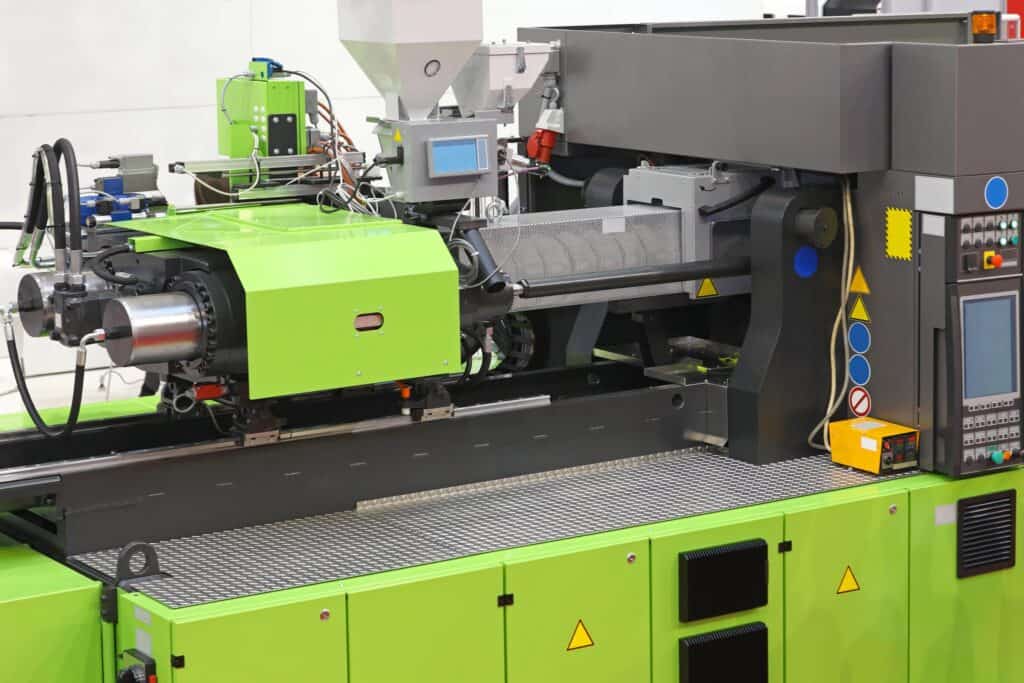
The injection molding machine market in Norway is projected to grow steadily in the coming years, driven by increased demand from the automotive, consumer goods, and packaging industries.
Norway Injection Molding Machine Marketv is predicted to reach USD 105.43 million, with a CAGR of 8.3% by 2030. The Norway automotive industry is a key driver of the country’s injection molding machine market. With the growing demand for high-precision automotive components—particularly in electric vehicles (EVs)—manufacturers are increasingly relying on injection molding technologies to produce lightweight, durable, and cost-effective parts. Injection molding offers an efficient process for producing complex shapes and designs, making it ideal for components such as interior panels, bumpers, and connectors that are in high demand as part of the transition to EVs.
Don’t Miss Out! Get Your FREE Sample!
With Norway leading Europe in electric vehicle adoption, thanks to government incentives and a strong environmental focus, the automotive sector remains a key contributor to the growth of the injection molding machine market. According to recent statistics, Norway has one of the highest rates of EVs per capita globally, which is expected to continue driving demand for specialized plastic components used in electric vehicle manufacturing.
Growth in Consumer Goods and Packaging Sectors
Beyond automotive applications, the consumer goods and packaging industries are also contributing to the growth of the injection molding machine market in Norway. As consumers demand more sustainable and innovative products, manufacturers in sectors like food packaging, personal care products, and household goods are increasingly adopting injection molding techniques.
Click to Uncover the Full News
The packaging sector, in particular, is seeing a significant shift toward sustainable materials and lightweight designs. Injection molding machines are being utilized to produce a range of products, from recyclable plastic bottles to food containers that meet stringent environmental regulations. In addition, manufacturers in the consumer goods sector are using injection molding to create highly detailed, precise plastic parts for a variety of products, including electronics, household appliances, and personal care items.
Technological Advancements Enhancing Production Efficiency
Technological advancements are transforming the injection molding machine market in Norway. Innovations such as advanced automation, Industry 4.0 integration, and improved energy efficiency are helping manufacturers increase productivity while reducing operational costs. For example, the integration of robotic arms and automated systems within injection molding processes is enabling higher precision, faster cycle times, and reduced labor costs, ultimately improving profitability.
Moreover, the development of more energy-efficient injection molding machines is helping manufacturers meet environmental targets by reducing energy consumption and minimizing waste during production. As sustainability remains a top priority for industries across Norway, these technological improvements are expected to play a significant role in driving the adoption of new injection molding machines.
“Technology is revolutionizing the injection molding sector,” said Madsen. “With advancements in automation and energy-efficient machines, manufacturers are able to meet higher production demands while reducing costs and environmental impact.”
Competitive Landscape and Key Players
The Norway injection molding machine market is highly competitive, with a mix of global and local players striving for market share. Leading global manufacturers such as Arburg, Engel, and Husky Injection Molding Systems dominate the market, offering a wide range of high-performance injection molding machines that cater to various industries, including automotive, consumer goods, and packaging.
Local Norwegian manufacturers are also increasingly adopting these advanced injection molding technologies, focusing on high-precision machines that meet the specific needs of industries within the country. As the demand for specialized, high-quality plastic components rises, these companies are poised to capitalize on the growing market.
“The market is becoming more competitive as both global and local players invest in new technologies to meet the demands of industries such as automotive and packaging,” said Madsen. “Companies that can provide high-precision, energy-efficient machines with the flexibility to adapt to various applications will be well-positioned for growth in the Norwegian market.”
Challenges and Opportunities in the Market
While the Norway injection molding machine market presents significant growth opportunities, there are challenges to consider. One of the primary challenges is the high cost of acquiring advanced machines, which can be a barrier for smaller manufacturers looking to adopt new technologies. Additionally, with the increasing focus on sustainability, manufacturers face the ongoing challenge of reducing waste and improving the environmental performance of their production processes.
Despite these challenges, there are substantial opportunities for innovation. With rising demand for sustainable manufacturing practices and increased focus on the EV and packaging sectors, there is significant potential for the development of new, more efficient injection molding solutions that meet both production and environmental goals.
Conclusion
The Norway injection molding machine market is poised for steady growth over the next few years, supported by strong demand from the automotive, consumer goods, and packaging sectors. As industries increasingly focus on innovation, sustainability, and automation, injection molding technologies will play a central role in meeting these evolving needs. With technological advancements and continued industry demand, the market presents considerable opportunities for manufacturers looking to stay competitive in this rapidly changing landscape.
