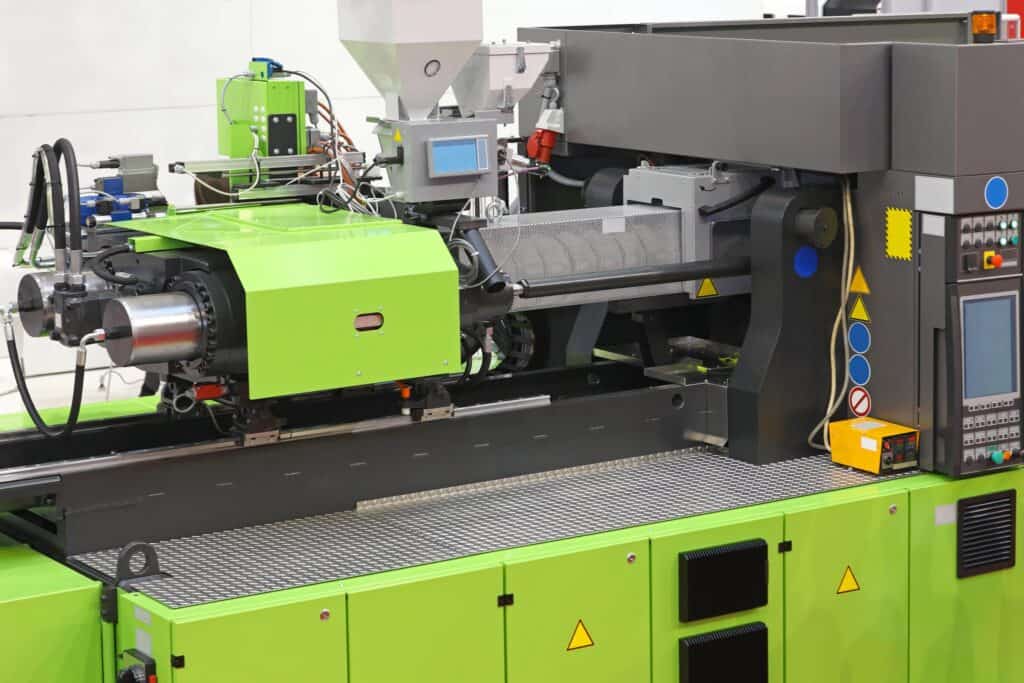
The injection molding machine market in Russia is poised for steady growth, driven by increasing demand in key sectors such as automotive, consumer goods, and packaging.
Russia Injection Molding Machine Market is predicted to reach USD 197.32 million, with a CAGR of 4.6% by 2030. As Russian manufacturers continue to seek more efficient and cost-effective production methods, injection molding remains a core technology for producing high-quality plastic components across various industries.
Don’t Miss Out! Get Your FREE Sample!
Strong Automotive Industry Demand
Russia’s automotive industry is a significant driver of the country’s injection molding machine market. As the demand for both traditional and electric vehicles (EVs) increases, manufacturers are relying on advanced injection molding technologies to produce lightweight, durable plastic components such as interior panels, bumpers, and dashboards. With the country’s automotive sector focusing on both domestic production and expanding export markets, the need for precision and high-quality parts is paramount.
Russia is also witnessing the rise of electric vehicles, spurred by global environmental trends and government incentives aimed at reducing carbon emissions. As electric vehicle manufacturing gains momentum, the demand for specialized components such as battery housings and connectors, which require advanced injection molding, is expected to increase further.
Growth in Consumer Goods and Packaging Sectors
In addition to automotive, the consumer goods and packaging sectors are also playing a vital role in the growth of Russia injection molding machine market. As the Russian population continues to demand a wide variety of products, manufacturers are turning to injection molding for its ability to produce high-precision, cost-effective, and complex plastic parts.
Get the Facts, Click to Read the News
The packaging industry is particularly important, as manufacturers seek more sustainable solutions for plastic packaging. Injection molding plays a central role in producing a variety of packaging products, such as bottles, containers, and caps, which are used across multiple industries, including food, beverages, and personal care. With Russia’s growing emphasis on sustainability and recycling, injection molding machines that can handle eco-friendly and recyclable materials are gaining popularity.
Technological Advancements Driving Market Innovation
Technological advancements continue to revolutionize Russia injection molding machine market. New innovations such as automation, precision control, and energy efficiency are significantly improving the performance and cost-effectiveness of injection molding processes. Automation, in particular, has become a game-changer, allowing manufacturers to increase production rates while reducing human error and labor costs. Additionally, Industry 4.0 solutions are enabling manufacturers to integrate real-time monitoring, predictive maintenance, and data analytics into their injection molding operations.
Energy efficiency is another key focus for injection molding machine manufacturers. With rising energy costs and increasing pressure to meet environmental regulations, Russian companies are increasingly investing in energy-efficient machines that reduce energy consumption while maintaining high levels of output.
Competitive Landscape and Market Opportunities
The Russia injection molding machine market is competitive, with both local and international players vying for market share. Global brands such as Arburg, Engel, and Husky Injection Molding Systems are well-established in the market, offering a wide range of machines designed for various industrial applications. These companies are capitalizing on the growing demand for precision and automation in manufacturing processes.
Local Russian manufacturers are also gaining ground by providing cost-effective, high-performance injection molding solutions tailored to the needs of Russian industries. By focusing on machine customization and after-sales support, local players are well-positioned to capture a larger share of the market.
Challenges and Opportunities
While the Russia injection molding machine market offers significant growth potential, it is not without challenges. High initial investment costs for advanced machines, particularly those incorporating automation and energy-efficient features, can be a barrier for smaller manufacturers. Moreover, the market is highly sensitive to fluctuations in economic conditions, which can affect investment in manufacturing technologies.
Despite these challenges, there are substantial opportunities for growth. As demand for electric vehicles, sustainable packaging, and consumer goods continues to rise, injection molding machines will remain essential in meeting production requirements. Companies that focus on reducing operational costs through energy-efficient machines and automation will be better positioned to capitalize on this growing market.
Conclusion
The Russia injection molding machine market is poised for steady growth, driven by demand from the automotive, packaging, and consumer goods sectors. Technological advancements, such as automation and energy-efficient machines, are playing a significant role in improving production capabilities while meeting sustainability goals. As Russian manufacturers continue to focus on efficiency, precision, and cost-effective solutions, the injection molding machine market is expected to remain a key pillar of the country’s industrial development in the coming years.
