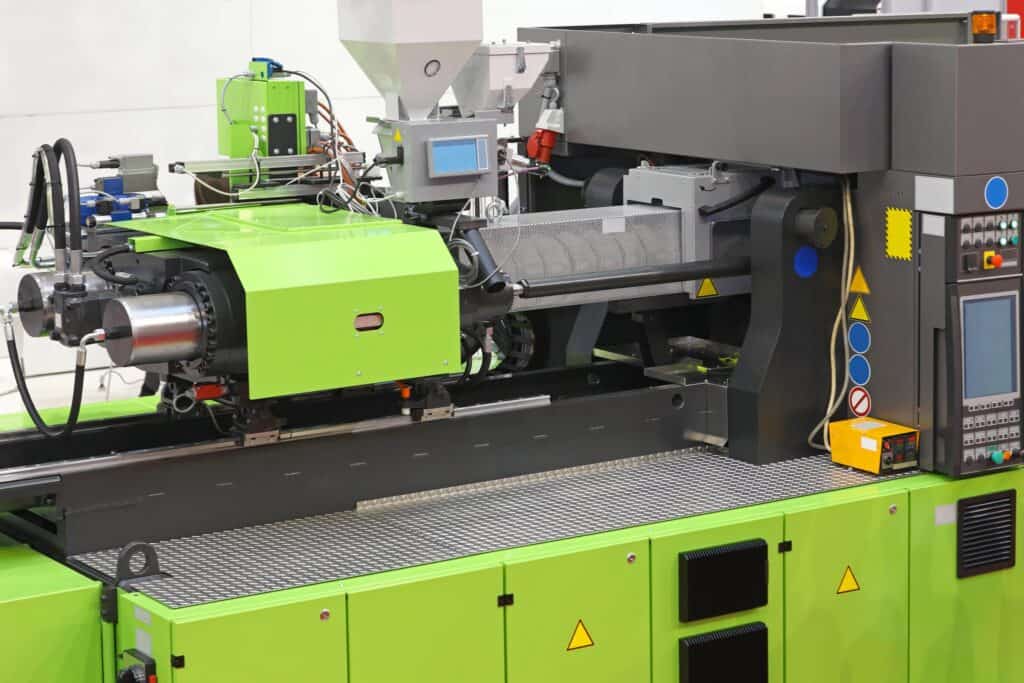
The Singapore injection molding machine market growth is fueled by the increasing demand for precision manufacturing in sectors like automotive, electronics, and consumer goods, coupled with technological advancements that enhance efficiency and product quality.
Singapore Injection Molding Machine Market is predicted to reach USD 101.22 million with a CAGR of 5.6% by 2030. As one of the leading industrial hubs in Asia, Singapore plays a key role in the global manufacturing supply chain. The country’s thriving manufacturing industry, particularly in the production of high-tech and precision-engineered products, is driving the demand for advanced injection molding machines. These machines are integral to producing a wide range of items, from automotive components to medical devices, showcasing their critical importance in Singapore’s manufacturing ecosystem.
Don’t Miss Out! Get Your FREE Sample!
Key Market Drivers
The primary driver of the Singapore injection molding machine market is the growing demand for high-quality, durable, and cost-efficient products. With Singapore’s manufacturing sector continuing to evolve towards advanced, high-precision, and automated production processes, injection molding machines are increasingly being used to create complex parts that meet stringent quality standards. Industries such as automotive, consumer electronics, and medical devices, which require highly accurate and consistent components, are major contributors to the market’s growth.
Don’t Miss This Important News
The automotive industry, in particular, plays a significant role in boosting the demand for injection molding machines. As the automotive sector in Singapore continues to innovate, particularly in the production of electric vehicles (EVs) and autonomous driving components, the need for advanced molding technologies to produce lightweight, durable, and high-performance components is rising. Injection molding machines are essential in this area for the efficient production of small and medium-sized parts with intricate designs and tight tolerances.
The growing demand for consumer electronics is also a critical factor for the market’s expansion. Injection molding machines are used extensively in the production of mobile phone housings, components for laptops, and wearable devices. With the continuous development of newer, lighter, and more functional electronic devices, the demand for precision-made, high-quality plastic components is expected to drive market growth.
Technological Advancements and Consumer Trends
Technological advancements in injection molding machines are a major factor contributing to the growth of the market in Singapore. Manufacturers are increasingly focusing on producing machines with higher precision, better energy efficiency, and faster cycle times. Innovations such as multi-component injection molding, advanced robotics integration, and the introduction of artificial intelligence (AI) for process optimization are making injection molding machines more efficient and versatile, resulting in higher output and reduced costs.
One notable trend in the market is the shift toward the adoption of electric injection molding machines. These machines, compared to traditional hydraulic models, are more energy-efficient, quieter, and offer higher precision and faster cycle times. As industries push for sustainability and reduced operational costs, electric injection molding machines are becoming increasingly popular in the Singaporean market. Manufacturers are also focusing on reducing energy consumption and waste, aligning with the country’s broader environmental goals.
Another growing trend is the rise of automation in the injection molding process. With Singapore’s push for Industry 4.0 and the increasing integration of smart manufacturing technologies, there is a rising demand for automated injection molding systems. These systems help manufacturers achieve greater consistency, reduce human error, and optimize production processes. The implementation of robotics, AI, and IoT in injection molding machines is making it easier for manufacturers to meet the growing demand for high-quality, complex products with shorter lead times.
Challenges in the Market
Despite the positive growth outlook, the Singapore injection molding machine market faces several challenges. The high initial investment cost of advanced injection molding machines is one such hurdle. While these machines offer improved efficiency and long-term cost savings, small and medium-sized manufacturers may find it difficult to invest in cutting-edge technology.
Another challenge is the ongoing pressure on manufacturers to adopt sustainable practices. While the focus on energy-efficient and environmentally friendly machines is growing, the production of plastics remains a concern for the industry as a whole. The demand for sustainable materials and recycling technologies is creating both opportunities and challenges, as manufacturers seek to balance performance and environmental impact.
Opportunities and Market Outlook
The Singapore injection molding machine market presents numerous opportunities for growth. As the country strengthens its focus on Industry 4.0, there is significant potential for companies to invest in automated systems, advanced robotics, and AI-driven solutions. These technologies offer significant benefits in terms of speed, precision, and cost-effectiveness, making them particularly attractive to manufacturers looking to maintain competitive advantages in a rapidly evolving marketplace.
Moreover, Singapore’s position as a regional manufacturing hub for medical devices and electronic products provides immense growth potential. Injection molding machines are essential for producing medical components, such as syringes, tubes, and surgical instruments, which require high levels of precision. As the demand for medical devices continues to rise, particularly in Asia, the market for injection molding machines used in medical applications is expected to grow significantly.
The increasing adoption of electric vehicles (EVs) and the continued innovation in the automotive sector also provide an opportunity for manufacturers of injection molding machines. As the automotive industry shifts towards more sustainable production processes, injection molding machines that can produce lightweight and durable components will see growing demand. The automotive sector’s transition to electric powertrains, lightweight materials, and sophisticated components will further drive the need for specialized molding solutions.
Conclusion
The Singapore injection molding machine market growth is driven by the demand for precision manufacturing in key industries such as automotive, consumer electronics, and medical devices. Technological advancements, including the rise of electric machines and increased automation, are key factors propelling the market forward. While challenges like high initial costs and environmental concerns persist, the market outlook remains positive, with significant opportunities in medical, automotive, and electronics sectors.
