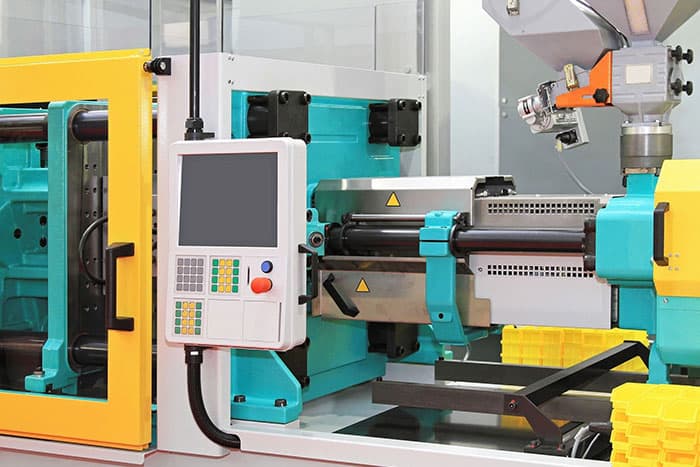
The injection molding machine market in Sweden is set to experience steady growth over the next few years, driven by demand from key sectors such as automotive, packaging, and consumer goods.
Sweden Injection Molding Machine Market is predicted to reach USD 161.98 million with a CAGR of 6.3% by 2030. As Swedish manufacturers continue to focus on efficiency, precision, and sustainability, injection molding remains a critical technology for producing high-quality plastic components across industries.
Unlock a FREE Sample – Try Before You Buy!
Strong Demand from the Automotive Sector
Sweden’s automotive industry plays a pivotal role in driving the country’s injection molding machine market. The shift toward electric vehicles (EVs) and the increasing need for lightweight, durable, and sustainable automotive parts have led to a rise in demand for advanced injection molding technologies. With the growing focus on producing electric vehicles in Sweden, manufacturers are relying heavily on injection molding to create key components such as interior panels, battery housings, and connectors.
Sweden, home to global automotive giants such as Volvo and Scania, is at the forefront of the EV transition in Europe, with ambitious targets for reducing carbon emissions and increasing the adoption of electric vehicles. This shift is stimulating a need for precision plastic components that are both lightweight and capable of withstanding the demands of electric drivetrains and batteries.
“The rise of electric vehicles in Sweden has significantly boosted demand for advanced manufacturing technologies, particularly in injection molding,” said Erik Andersson, Senior Analyst at Market Research Sweden. “Injection molding is a key technology for producing high-quality, complex components at scale, and it is becoming increasingly vital for the automotive industry, especially with the transition to electric vehicles.”
Growth in Packaging and Consumer Goods Sectors
Beyond the automotive industry, the packaging and consumer goods sectors are contributing to the growth of Sweden injection molding machine market. The packaging industry, in particular, is undergoing a transformation as demand for sustainable, eco-friendly solutions rises. Injection molding is widely used in the production of plastic packaging, such as bottles, containers, and caps, due to its ability to create precise, cost-effective, and lightweight products.
With Sweden’s focus on reducing plastic waste and increasing recycling efforts, there is a strong push toward producing more sustainable packaging materials. This has spurred interest in advanced injection molding machines that can work with biodegradable plastics and recyclable materials, aligning with Sweden’s commitment to sustainability.
Similarly, the consumer goods sector, which includes products such as electronics, personal care items, and household goods, continues to rely on injection molding for the mass production of high-quality plastic parts. The ability to produce intricate designs quickly and efficiently at scale makes injection molding a preferred choice for manufacturers seeking to meet consumer demand for affordable, durable, and innovative products.
“Sweden’s commitment to sustainability and reducing plastic waste is reshaping the packaging industry, and manufacturers are increasingly turning to injection molding to create sustainable and recyclable packaging solutions,” Andersson noted. “Moreover, the flexibility of injection molding makes it an ideal technology for producing a wide variety of consumer goods.”
Technological Advancements and Industry 4.0 Integration
Technological innovations are playing a significant role in the growth of Sweden injection molding machine market. The integration of automation, robotics, and Industry 4.0 solutions is improving the precision, efficiency, and cost-effectiveness of injection molding processes. Automated systems are allowing manufacturers to produce parts faster while reducing human error and labor costs, making injection molding an even more attractive option for high-volume production.
Swedish manufacturers are also adopting energy-efficient machines that reduce operational costs and support sustainability efforts. As environmental concerns grow and energy efficiency becomes a priority, injection molding machine manufacturers are focusing on creating machines that consume less energy while maintaining high levels of performance and output.
“Automation and energy efficiency are two key factors driving the adoption of advanced injection molding machines in Sweden,” said Andersson. “With the integration of smart technologies and the shift toward more energy-efficient machines, manufacturers are able to reduce waste and improve the overall sustainability of their production processes.”
Competitive Landscape and Market Opportunities
The Sweden injection molding machine market is competitive, with a mix of global and local manufacturers striving to meet the needs of industries such as automotive, packaging, and consumer goods. Key international players such as Engel, Arburg, and Husky Injection Molding Systems dominate the market, offering a broad range of high-performance machines that cater to diverse applications. These global brands are increasingly focused on integrating new technologies like automation, precision control, and energy-saving features into their machines to maintain their competitive edge.
Additionally, local Swedish companies are leveraging their expertise in design and manufacturing to develop innovative, high-precision injection molding machines that are tailored to the specific needs of Swedish industries. As demand for specialized, energy-efficient, and sustainable solutions rises, Swedish manufacturers are positioning themselves as leaders in this evolving market.
“There are significant opportunities for both global and local companies in Sweden’s injection molding market,” Andersson explained. “By investing in automation, energy efficiency, and sustainable practices, companies can tap into growing demand from industries such as automotive and packaging while also meeting the country’s strict environmental standards.”
Challenges and Opportunities Ahead
While Sweden injection molding machine market is poised for steady growth, challenges remain. One of the main hurdles is the high initial investment required for advanced injection molding machines, which can be a barrier for small and medium-sized manufacturers. Additionally, with increasing pressure to meet sustainability goals, manufacturers must find ways to reduce waste and improve energy efficiency without compromising on product quality or production speed.
However, these challenges present opportunities for innovation. Companies that invest in research and development to create more energy-efficient, sustainable, and cost-effective injection molding solutions are well-positioned to thrive in this growing market.
Conclusion
The Sweden injection molding machine market is on track for steady growth, fueled by demand from the automotive, packaging, and consumer goods sectors. Technological advancements, a focus on sustainability, and Sweden’s strong position in the global electric vehicle market are all contributing to the positive outlook for the market. As Swedish manufacturers continue to embrace automation and energy-efficient solutions, injection molding machines will remain a vital component of the country’s manufacturing landscape.
