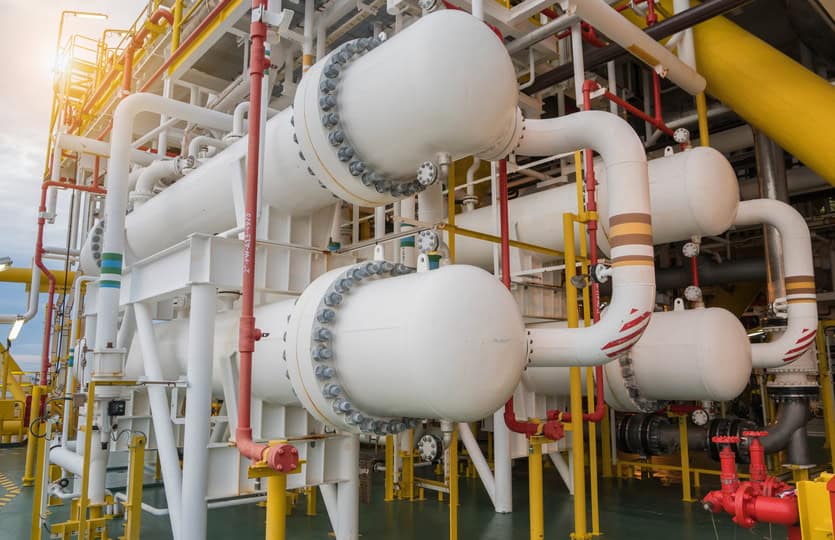
The Asia-Pacific heat exchangers market growth is driven by expanding industrialization, increasing demand for energy-efficient systems, and the rise of manufacturing sectors across key nations in the region.
The Asia Pacific Heat Exchangers Market is predicted to reach USD 14302.3 million, with a CAGR of 8.1% by 2030. The heat exchangers market is also supported by the growing emphasis on reducing energy consumption and minimizing environmental impact in a variety of industries, including automotive, oil and gas, chemicals, HVAC, and power generation.
Unlock a FREE Sample – Try Before You Buy!
What Are Heat Exchangers?
Heat exchangers are essential components used in various industrial processes to transfer heat between fluids or gases without mixing them. These devices play a crucial role in improving energy efficiency by enabling heat recovery and reducing the energy required for industrial processes. Heat exchangers are commonly used in industries such as HVAC (heating, ventilation, and air conditioning), petrochemical, power generation, and automotive for applications like cooling, heating, and refrigeration.
Don’t Miss This Important News
With the rising global demand for energy conservation and eco-friendly solutions, the heat exchangers market in Asia-Pacific has become increasingly vital. As industries grow, the need for reliable, cost-effective, and energy-efficient heat exchangers continues to rise.
Key Drivers of Market Growth
- Rapid Industrialization and Urbanization
The rapid industrialization and urbanization taking place in countries like China, India, Japan, and South Korea are major drivers of the growth of the heat exchangers market in the Asia-Pacific region. As these nations expand their manufacturing and infrastructure sectors, there is a growing demand for efficient heat transfer systems in industries such as chemicals, petrochemicals, and power generation. With the increasing number of industrial plants, manufacturing units, and commercial establishments, the need for robust heat exchangers to regulate temperature and support efficient processes is becoming more essential.
- Energy Efficiency and Sustainability Focus
Governments in the Asia-Pacific region are becoming more focused on sustainability and energy efficiency. Strict environmental regulations are being implemented to curb carbon emissions and promote the use of eco-friendly technologies. Heat exchangers play an essential role in improving energy efficiency by reducing the amount of energy required to maintain or regulate temperatures in various industrial processes. As businesses strive to meet environmental targets and reduce energy consumption, the demand for advanced heat exchangers is expected to rise. Moreover, the increasing need to integrate renewable energy sources into industrial systems further supports the demand for efficient heat transfer solutions.
- Growth in Power Generation and Oil & Gas Industries
The growth of the power generation and oil & gas industries in Asia-Pacific is fueling demand for heat exchangers. With the increasing energy demand from both developed and emerging economies, there is a greater emphasis on the efficient use of energy in power plants, refineries, and petrochemical plants. Heat exchangers are critical in these industries, as they are used to recover heat from exhaust gases, process streams, and cooling systems, ensuring optimal performance of critical equipment. As power plants and refineries expand across the region, the market for heat exchangers is expected to grow significantly.
- Expansion of HVAC and Refrigeration Systems
With the rapid urbanization and increasing demand for residential, commercial, and industrial cooling systems, the HVAC (heating, ventilation, and air conditioning) industry in the Asia-Pacific region is witnessing significant growth. This is driving the demand for heat exchangers in air-conditioning and refrigeration systems. Additionally, the region’s hot and humid climates, coupled with rapid population growth, further contribute to the growing need for efficient HVAC solutions. This trend is particularly evident in countries such as India, China, and Southeast Asian nations.
- Advancements in Technology
Technological advancements in heat exchanger designs and materials are further driving market growth. The development of more compact, lightweight, and efficient heat exchangers, coupled with the use of advanced materials such as titanium, aluminum, and composite materials, is expanding the application of these systems across industries. Furthermore, the adoption of automation and IoT (Internet of Things) technologies in industrial settings allows for the real-time monitoring of heat exchanger performance, improving system efficiency and maintenance.
Challenges in the Asia-Pacific Heat Exchangers Market
- High Initial Investment
One of the major challenges faced by companies in the heat exchangers market is the high initial investment required for advanced systems. While heat exchangers provide long-term energy savings, the upfront cost for installation and integration into industrial processes can be significant. This can be a barrier for small and medium-sized enterprises (SMEs) in developing countries. However, as the technology becomes more widespread and cost-effective, the barriers to entry are expected to decrease.
- Maintenance and Operational Costs
The operation and maintenance of heat exchangers can be costly, particularly when dealing with complex systems or equipment in harsh environments. Over time, heat exchangers can face issues such as fouling, corrosion, and scaling, which can affect performance and increase maintenance costs. Companies in the region must focus on addressing these challenges to ensure the longevity and efficiency of heat exchangers.
- Supply Chain Disruptions
The ongoing global supply chain disruptions, especially following the COVID-19 pandemic, have impacted the availability of materials and components needed for manufacturing heat exchangers. The reliance on imports for critical raw materials and parts has created challenges for manufacturers in Asia-Pacific. However, as global supply chains stabilize, the market is expected to recover and experience sustained growth.
Regional Insights
The Asia-Pacific region is expected to witness the highest growth in the heat exchangers market due to the rapid industrialization, increasing energy consumption, and expansion of infrastructure in countries like China, India, Japan, and South Korea. China is expected to be the largest market in the region, driven by its thriving manufacturing, automotive, and power generation sectors. India and Southeast Asia are also emerging as significant contributors to market growth, as these regions invest heavily in energy-efficient solutions and renewable energy systems.
Conclusion
The Asia-Pacific heat exchangers market driven by industrial growth, energy efficiency mandates, and technological advancements. As the region continues to expand its industrial and manufacturing capacities, the demand for energy-efficient heat exchangers will increase across various sectors, including automotive, oil and gas, power generation, and HVAC. While challenges such as high upfront costs and supply chain disruptions remain, the long-term growth prospects for the heat exchangers market in Asia-Pacific remain strong.
