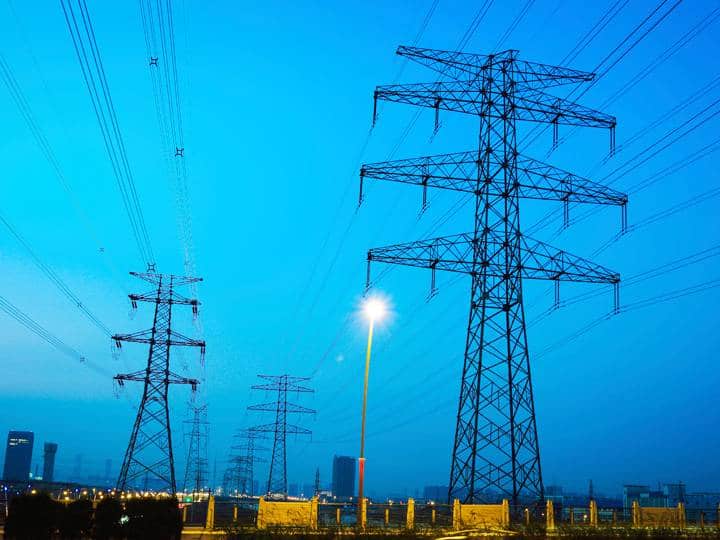
The global electric power transmission and distribution (T&D) infrastructure market growth is driven by the rising global demand for electricity, advancements in smart grid technologies, and the growing need to modernize aging infrastructure to improve the efficiency, reliability, and sustainability of power delivery.
The Electric Power (Transmission & Distribution) Infrastructure Market is predicted to reach USD 431.72 billion with a CAGR of 3.90% by 2030. Electric power T&D infrastructure is essential for the effective transportation of electricity from power plants to end consumers. This includes power transmission lines, substations, transformers, and distribution lines. As populations grow, industries expand, and the world moves toward more sustainable energy systems, investments in T&D infrastructure have become a priority for governments, utilities, and private enterprises worldwide.
Unlock a FREE Sample – Try Before You Buy!
Key Market Drivers
- Rising Global Energy Demand
The demand for electricity is increasing rapidly due to urbanization, industrialization, and technological advancements. As countries grow economically and populations increase, the need for reliable and uninterrupted power delivery becomes more critical. Expanding and upgrading transmission and distribution networks is essential to meet these growing energy demands, particularly in emerging economies and rural areas. This demand surge is one of the key drivers for the electric power T&D infrastructure market.
- Modernization of Aging Infrastructure
In many parts of the world, power grids and transmission lines are outdated, prone to failures, and inefficient. To address these challenges, many countries are investing in modernizing their T&D infrastructure. Upgrading transmission lines, replacing old transformers, and implementing smart grid technologies will ensure better power management, reduce energy losses, and provide more reliable service to consumers. The modernization of infrastructure is a major factor contributing to the growing demand for T&D infrastructure investments.
- Integration of Renewable Energy Sources
The global shift towards renewable energy sources, such as solar, wind, and hydroelectric power, is changing the landscape of energy generation and distribution. Renewable energy often comes from decentralized sources that are located far from urban areas, which requires robust T&D networks to transmit power efficiently. In many cases, power grids need to be upgraded or expanded to accommodate the influx of renewable energy and ensure that it can be distributed to consumers without overloading the existing infrastructure. This trend is driving significant investment in transmission and distribution systems worldwide.
- Smart Grid Technologies and Automation
The growing adoption of smart grid technologies is revolutionizing the way electricity is transmitted and distributed. Smart grids incorporate advanced sensors, meters, and communication networks to enhance the monitoring and management of power flow. This enables utilities to detect and resolve issues in real-time, reduce outages, optimize energy use, and improve the overall reliability of the grid. The deployment of these technologies is a key factor driving the growth of the T&D infrastructure market as it requires new investment in grid equipment and communication systems.
Start with a FREE Sample – Download Now!
- Government Support and Investments
Governments around the world are recognizing the importance of reliable and sustainable power delivery, especially with the increasing global focus on clean energy and environmental sustainability. National policies, such as subsidies for renewable energy, the push for decarbonization, and initiatives to combat climate change, are creating opportunities for further growth in the T&D infrastructure sector. Additionally, large-scale public-private partnerships and infrastructure development programs are playing a critical role in modernizing T&D networks and supporting future energy goals.
Technological Innovations in Electric Power T&D Infrastructure
- High Voltage Direct Current (HVDC) Transmission
HVDC transmission technology is gaining traction for long-distance power transmission as it allows electricity to be transmitted over long distances with minimal loss. HVDC systems are particularly useful for integrating renewable energy into the grid, as they are more efficient than traditional alternating current (AC) systems. As more countries and regions seek to interconnect power grids and transport renewable energy from remote areas, the adoption of HVDC technology is expected to grow, further driving market expansion.
- Advanced Substation Automation
Modern substations are becoming increasingly automated, with systems that enable real-time monitoring and control of power distribution. Advanced substation automation systems provide enhanced protection, better fault detection, and faster response times to grid issues. This reduces downtime and improves the overall performance of the grid. The trend toward automation is fueling investment in substation upgrades, helping utilities improve operational efficiency.
- Energy Storage Systems (ESS)
Energy storage solutions are becoming a vital component of modern transmission and distribution infrastructure. By storing excess power generated during low demand periods, ESS ensures that electricity is available during peak demand or when renewable sources like solar and wind are not producing energy. This capability helps balance the load on the grid and prevents disruptions caused by intermittent renewable energy sources. The integration of energy storage systems into T&D networks is becoming more widespread as utilities seek to improve the stability and resilience of the grid.
Challenges in the Electric Power T&D Infrastructure Market
- High Capital Costs
The development and upgrading of transmission and distribution infrastructure require significant capital investment. This includes the cost of purchasing new equipment, upgrading existing facilities, and implementing advanced technologies. For many utilities, especially in developing regions, securing the necessary funding for these large-scale projects can be a challenge. However, the long-term benefits of modernizing T&D infrastructure, such as reduced energy losses and improved reliability, are expected to outweigh these initial costs.
- Regulatory and Environmental Hurdles
The development of new T&D infrastructure often faces regulatory and environmental challenges. The construction of new transmission lines or substations can be delayed or blocked by environmental concerns, land acquisition issues, and local opposition. Overcoming these hurdles requires close collaboration between utilities, governments, and communities to ensure that infrastructure projects can proceed smoothly and with minimal disruption.
- Cybersecurity Threats
As T&D networks become more interconnected and reliant on digital systems, cybersecurity has become an increasingly important issue. Protecting critical infrastructure from cyberattacks is essential to maintaining grid reliability and security. Utilities must invest in advanced security systems and protocols to safeguard their networks from potential cyber threats.
Outlook for the Market
The global electric power T&D infrastructure market is poised for significant growth over the next decade. With advancements in technology, the transition to renewable energy, and the ongoing need for infrastructure modernization, investments in T&D systems are expected to rise, providing substantial opportunities for market expansion. The continued evolution of the electric power sector will be critical in meeting the energy needs of the future.
