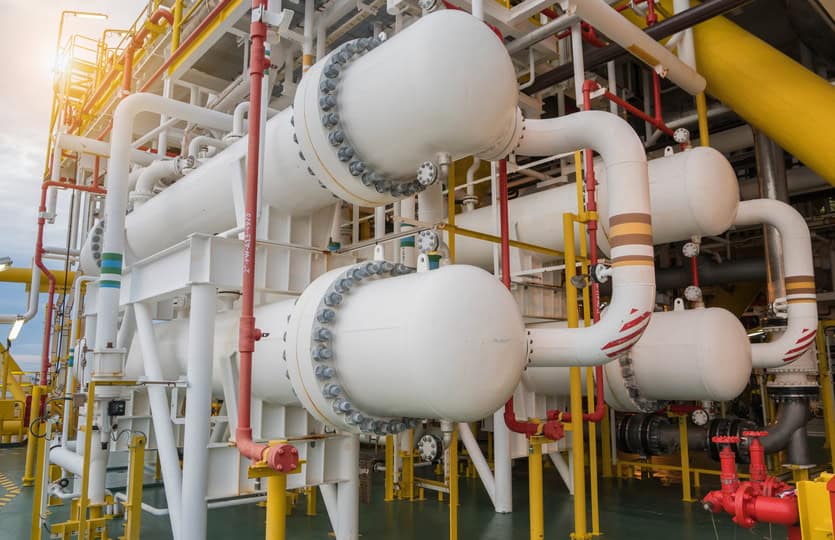
The Europe heat exchangers market growth is attributed to the increasing focus on energy efficiency, the growing adoption of renewable energy technologies, and rising industrial activities across sectors like HVAC, power generation, and manufacturing.
The Europe Heat Exchangers Market is predicted to reach USD 5415.9 million, with a CAGR of 5.3% by 2030. As Europe continues to emphasize sustainability and energy conservation, heat exchangers have become an essential component in improving energy efficiency and reducing environmental impact.
Download Your Free Sample Today!
What Are Heat Exchangers and Their Role in Industry?
Heat exchangers are devices that transfer heat between two or more fluids without mixing them. These devices are integral to many industries as they optimize temperature control and energy transfer processes. By facilitating heat recovery, heat exchangers help industries minimize energy consumption, reduce waste, and enhance operational efficiency. From HVAC systems in buildings to large-scale power plants and manufacturing facilities, heat exchangers are used to ensure efficient thermal management in various applications.
Click to Uncover the Full News
In Europe, growing environmental awareness and stringent regulations around energy use are prompting industries to adopt energy-efficient systems. As such, the demand for advanced heat exchangers is on the rise, driven by their ability to improve overall system performance and sustainability.
Key Drivers of Market Growth
Several factors are contributing to the rapid expansion of the heat exchangers market in Europe:
- Growing Emphasis on Energy Efficiency
Energy efficiency is a central concern in Europe, especially in light of the European Union’s ambitious climate targets to reduce carbon emissions. The European Green Deal, along with stringent regulations on energy consumption, has accelerated the adoption of energy-efficient technologies across industries. Heat exchangers play a vital role in this transition by enabling the recycling and recovery of waste heat, which helps reduce overall energy consumption and cut down on greenhouse gas emissions.
- Rising Demand in HVAC Systems
The HVAC sector is one of the largest consumers of heat exchangers in Europe. As building standards evolve to focus on energy-efficient designs, there is an increasing demand for high-performance HVAC systems. This includes heating, cooling, and ventilation systems in residential, commercial, and industrial buildings. Additionally, the growing popularity of green buildings and smart home technologies further boosts the need for energy-efficient heat exchangers in HVAC applications.
- Renewable Energy Growth
Europe is a leader in renewable energy adoption, with a significant push toward wind, solar, and geothermal power. Heat exchangers are used extensively in these energy sectors to optimize thermal management in power plants. In geothermal energy, for example, heat exchangers are employed to transfer heat from the earth’s core to energy-producing systems. As renewable energy production continues to rise, so too does the demand for heat exchangers to support these green technologies.
- Industrial Growth and Manufacturing Demand
Europe’s industrial sector, which includes chemical processing, automotive manufacturing, and oil & gas, requires efficient heat exchange systems for various processes. As manufacturing activities rise, particularly in countries like Germany, France, and Italy, the demand for heat exchangers in sectors like chemical processing, petrochemicals, and food and beverage production is also increasing. These industries rely on heat exchangers to maintain temperature control and enhance process efficiency.
- Technological Advancements
Technological advancements in heat exchanger design and material innovation are helping companies improve the performance and durability of these systems. The development of compact, lightweight, and corrosion-resistant heat exchangers is enabling greater efficiency and ease of integration in various applications. Advanced materials such as titanium, copper alloys, and carbon composites are enhancing the thermal performance and lifespan of heat exchangers, making them more cost-effective and durable.
Key Applications of Heat Exchangers in Europe
Heat exchangers are integral to several industries in Europe, including:
- HVAC Systems: In residential, commercial, and industrial buildings, heat exchangers are crucial for heating and cooling systems, improving the efficiency of air conditioning and heating units.
- Power Generation: Heat exchangers are used in both traditional and renewable power plants to transfer heat in systems like steam turbines and geothermal plants. These systems help maintain optimal operational temperatures and improve energy recovery.
- Automotive Industry: The automotive sector uses heat exchangers for thermal management in engines, radiators, air conditioning systems, and exhaust systems. The increasing demand for electric vehicles (EVs) and advanced cooling technologies is expected to drive further demand for automotive heat exchangers.
- Chemical & Petrochemical Industries: Heat exchangers are vital in chemical plants and refineries, where they maintain temperature control during chemical reactions and support the efficient operation of distillation and refining processes.
- Food & Beverage: In the food industry, heat exchangers are used for pasteurization, sterilization, and cooling of products, ensuring the quality and safety of food while optimizing energy use.
Regional Insights
The Europe heat exchangers market is dominated by Western European countries, with Germany, France, the UK, and Italy leading the charge. Germany, as Europe’s industrial powerhouse, has the highest demand for heat exchangers, particularly in the automotive, chemical, and energy sectors. France and Italy, with their focus on renewable energy and manufacturing, also contribute significantly to market growth.
Eastern Europe is also expected to experience significant growth, driven by ongoing industrialization, urbanization, and increasing infrastructure investments. Countries like Poland, Hungary, and the Czech Republic are expanding their industrial bases and are likely to see a surge in the adoption of heat exchangers across multiple sectors.
Competitive Landscape
The Europe heat exchangers market is highly competitive, with key players including Alfa Laval, Kelvion, SPX Corporation, Danfoss, and Xylem. These companies are investing in research and development to offer advanced heat exchangers that meet the growing demand for energy-efficient solutions. Additionally, smaller, regional players are focusing on providing custom heat exchanger solutions for specific applications, further enhancing market competition.
Challenges and Future Outlook
While the heat exchangers market in Europe is expanding, challenges such as fluctuating raw material prices, the complexity of meeting evolving environmental regulations, and competition from alternative technologies remain. However, technological advancements in heat exchanger designs and materials are helping to address these challenges, making systems more efficient, affordable, and durable.
The future outlook for the Europe heat exchangers market remains positive. As the region continues to prioritize energy efficiency, sustainability, and industrial growth, the demand for innovative heat exchange systems is expected to rise, particularly in the HVAC, renewable energy, and manufacturing sectors.
Conclusion
The Europe heat exchangers market is set for continued growth, driven by technological advancements, an increasing focus on energy efficiency, and the rising demand from industries such as HVAC, power generation, and manufacturing. As Europe strives to meet its environmental goals and reduce carbon emissions, heat exchangers will play a critical role in optimizing energy use, improving operational performance, and supporting sustainable development.
