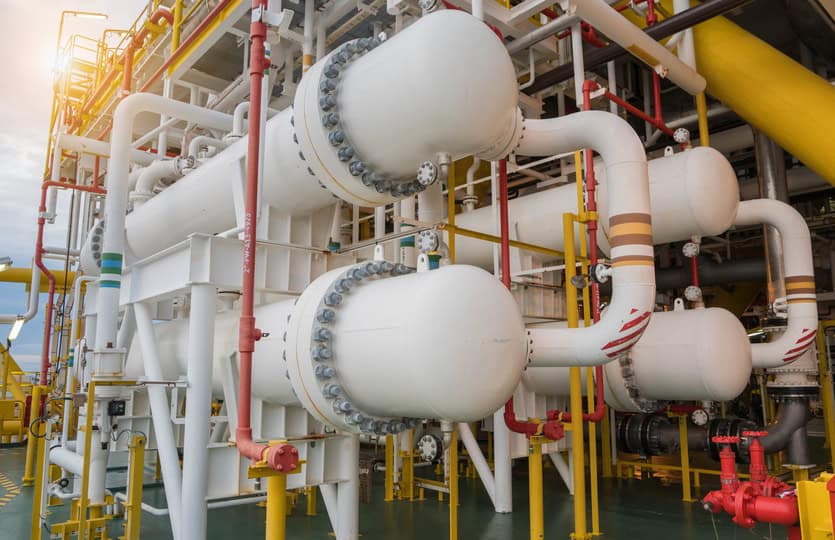
The France heat exchangers market growth is fueled by increased demand for energy-efficient technologies across various industries, government regulations promoting sustainability, and rising investments in infrastructure and industrial applications.
The France Heat Exchangers Market is predicted to reach USD 841.1 million with a CAGR of 6.3% by 2030. Heat exchangers, essential in transferring heat between fluids, play a critical role in applications ranging from power generation and oil & gas to manufacturing and HVAC systems. With an increasing focus on reducing energy consumption and improving operational efficiency, the heat exchangers market in France is poised for significant expansion in the coming years.
Try it Risk-Free – Download Your FREE Sample!
Key Drivers of Market Growth
- Energy Efficiency and Sustainability Initiatives
The global drive toward sustainability and energy efficiency is a key factor influencing the growth of the heat exchangers market in France. In line with the European Union’s commitment to reducing carbon emissions and promoting energy-efficient systems, France is focusing on adopting technologies that reduce energy consumption. Heat exchangers are integral to such initiatives, as they optimize thermal energy use in industrial processes and significantly lower energy costs.
Get the Facts, Click to Read the News
The increased adoption of heat recovery systems in manufacturing, power generation, and HVAC applications is expected to drive demand for heat exchangers. These systems help industries to utilize waste heat and convert it into usable energy, which reduces the need for additional fuel and energy, thus lowering environmental impact.
- Growth of Industrial and Manufacturing Sectors
The manufacturing and industrial sectors in France are key drivers of the heat exchangers market. The growth of industries such as chemicals, petrochemicals, food & beverages, and pharmaceuticals is expected to increase the demand for efficient heat management solutions. Heat exchangers play a crucial role in cooling, heating, and regulating temperatures across different stages of production.
In addition to industrial applications, France’s expanding renewable energy sector, particularly solar and geothermal power generation, also presents opportunities for heat exchanger adoption. As these industries grow, the need for advanced heat exchange solutions will continue to rise, supporting market growth.
- Technological Advancements and Product Innovation
The France heat exchangers market is witnessing a surge in innovation, with manufacturers focusing on the development of more efficient and compact designs. Emerging technologies, such as plate heat exchangers, air-cooled heat exchangers, and shell and tube heat exchangers, are becoming more prevalent as they offer enhanced heat transfer performance, reduced maintenance costs, and compact footprints.
Additionally, the increasing demand for heat exchangers in specialized applications, such as high-temperature and high-pressure environments, is driving the need for more advanced materials and designs. The ongoing focus on improving thermal efficiency and reducing energy losses is expected to propel the market forward, as industries look for more sustainable and cost-effective solutions.
- Government Policies and Regulatory Support
The French government’s policies and regulations supporting energy efficiency and emission reduction are positively impacting the heat exchangers market. France’s National Low-Carbon Strategy (SNBC) and commitments to achieving net-zero carbon emissions by 2050 are creating favorable conditions for energy-efficient solutions, such as heat exchangers. Furthermore, the EU Emissions Trading System (ETS) is incentivizing industries to reduce their carbon footprints, increasing the demand for heat exchangers that optimize energy use.
Challenges in the France Heat Exchangers Market
While the market outlook is positive, there are some challenges that may impact the growth of the heat exchangers market in France. One of the major challenges is the high initial cost of heat exchangers, especially in specialized applications. The cost of installation and maintenance can sometimes be prohibitive for smaller companies or organizations with limited budgets.
Furthermore, while heat exchangers are effective in energy recovery, they may not be as efficient in extremely humid or corrosive environments, which may limit their applicability in certain sectors. Manufacturers are focusing on addressing these limitations through technological innovations, but the development of solutions suitable for all operating conditions remains a key challenge.
Market Segmentation and Trends
The France heat exchangers market is segmented based on type, application, and end-use industry:
- By Type: The market is divided into shell and tube heat exchangers, plate heat exchangers, air-cooled heat exchangers, and others. Shell and tube heat exchangers are expected to hold the largest share of the market, owing to their widespread use in industries such as oil & gas and chemicals.
- By Application: The major applications of heat exchangers include HVAC, chemical processing, power generation, food & beverage processing, and oil & gas. Among these, the HVAC sector is expected to experience significant growth, driven by the demand for energy-efficient solutions in residential and commercial buildings.
- By End-Use Industry: Key industries adopting heat exchangers include oil & gas, chemicals, power generation, food & beverage, pharmaceuticals, and others. The power generation sector is expected to see substantial growth due to the increasing demand for energy-efficient and sustainable solutions in power plants.
Conclusion
The heat exchangers market in France is expected to experience steady growth, driven by the ongoing need for energy-efficient technologies, the expansion of industrial sectors, and the push toward sustainability. The growing awareness of environmental issues, coupled with government policies and incentives, will further accelerate the adoption of heat exchangers across various industries.
