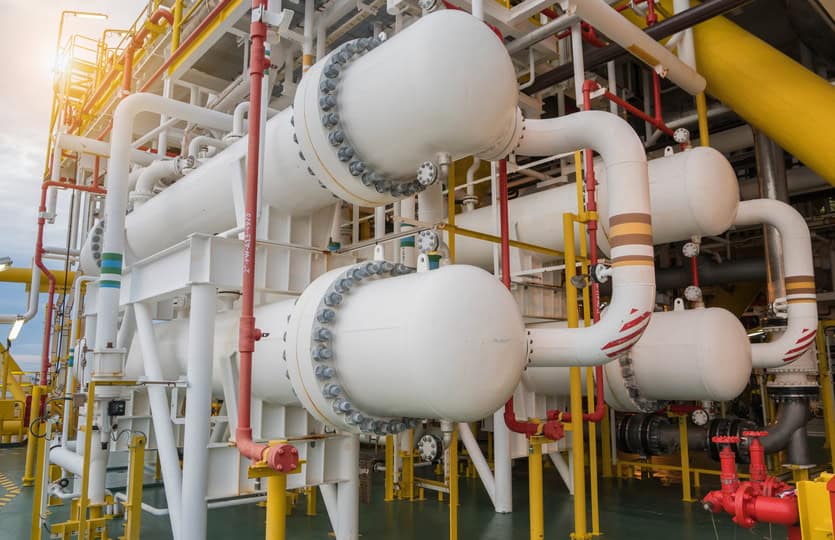
The Germany heat exchangers market growth is driven by the increasing demand for energy-efficient technologies, the transition towards renewable energy sources, and the need for improved heat recovery systems across industries.
The Germany Heat Exchangers Market is predicted to reach USD 1142.8 million with a CAGR of 5.1% by 2030. As Germany continues to focus on sustainability and reducing energy consumption, the market for heat exchangers is expected to experience significant expansion in the coming years.
Unlock a FREE Sample – Try Before You Buy!
What Are Heat Exchangers and Their Importance in Modern Industries?
Heat exchangers are essential devices used to transfer heat between two or more fluids. They play a crucial role in industrial applications by improving energy efficiency, reducing waste heat, and enabling heat recovery processes. Commonly found in HVAC systems, power generation, automotive, and chemical industries, heat exchangers contribute significantly to cost savings and environmental sustainability by reducing energy consumption.
Click to Uncover the Full News
In Germany, one of the world’s leaders in industrialization and renewable energy adoption, the demand for heat exchangers is growing rapidly due to their critical role in enhancing energy efficiency, meeting regulatory standards, and supporting the country’s green energy initiatives.
Key Drivers of Market Growth
Several factors are fueling the growth of the Germany heat exchangers market:
- Rising Demand for Energy-Efficient Systems
Germany has long been a global advocate for energy efficiency, with stringent regulations in place to reduce carbon emissions and lower energy consumption. Heat exchangers are an integral part of energy-efficient systems, helping industries recover waste heat and reduce reliance on additional energy sources. With the growing push toward carbon neutrality and the transition to renewable energy, the adoption of heat exchangers is becoming a key solution for reducing operational costs and improving overall energy performance.
- Growth in the Industrial Sector
Germany is home to a strong manufacturing and industrial sector, which includes automotive, chemicals, and heavy industries. These industries rely heavily on heat exchangers to maintain optimal temperatures and ensure process efficiency. As industries continue to modernize and adopt more energy-efficient technologies, the demand for advanced heat exchangers capable of handling high temperatures and complex processes will continue to rise.
- Focus on Renewable Energy
Germany is making significant strides in transitioning toward renewable energy, with a focus on wind, solar, and geothermal power. Heat exchangers play a pivotal role in energy recovery systems for renewable energy plants, helping to maximize energy production and reduce waste. In the power generation sector, heat exchangers are used in thermal power plants, combined heat and power (CHP) systems, and geothermal energy facilities, contributing to the overall efficiency of these renewable energy systems.
- Advances in Heat Exchanger Technology
Technological advancements in heat exchanger design and materials are improving performance, efficiency, and durability. Modern heat exchangers are more compact, require less maintenance, and are able to handle higher pressures and temperatures. Innovations such as plate heat exchangers, spiral heat exchangers, and microchannel heat exchangers are becoming increasingly popular across various industries in Germany, allowing for more efficient heat transfer and greater energy savings.
- Government Regulations and Incentives
Germany has implemented several regulations aimed at reducing energy consumption and carbon emissions. The country’s commitment to the Paris Agreement and the European Union’s “Green Deal” is driving industries to adopt energy-efficient technologies such as heat exchangers. The availability of government incentives for adopting sustainable technologies is further encouraging businesses to invest in heat exchangers to meet compliance requirements and reduce environmental impact.
Key Applications of Heat Exchangers in Germany
Heat exchangers are utilized across multiple sectors in Germany, including:
- HVAC Systems: Heat exchangers are widely used in residential, commercial, and industrial HVAC systems to improve heating, cooling, and ventilation efficiency. The growing demand for energy-efficient buildings and sustainable construction practices is driving the need for advanced heat exchangers in the HVAC market.
- Power Generation: Heat exchangers are integral to thermal power plants, nuclear plants, and renewable energy facilities. They help recover waste heat, increasing the overall efficiency of power generation systems. Additionally, combined heat and power (CHP) plants use heat exchangers to maximize energy utilization.
- Automotive Industry: The automotive sector in Germany, which includes major manufacturers like Volkswagen, BMW, and Mercedes-Benz, utilizes heat exchangers for cooling, heating, and thermal management of engines and other vehicle systems. This sector is investing in more efficient and compact heat exchangers to meet increasing environmental standards.
- Chemical and Petrochemical Industries: The chemical and petrochemical sectors rely on heat exchangers to maintain optimal operating temperatures during complex chemical reactions and processes. Efficient heat recovery is crucial for reducing costs and minimizing energy waste in these industries.
- Food and Beverage: The food and beverage industry in Germany uses heat exchangers for pasteurization, sterilization, and temperature regulation during processing. The demand for energy-efficient and hygienic processing technologies is driving the use of heat exchangers in this sector.
Regional Insights
Germany is at the forefront of the heat exchangers market in Europe, owing to its industrial base, energy transition goals, and focus on sustainability. Cities such as Frankfurt, Munich, and Hamburg, home to a range of industrial and manufacturing sectors, represent key markets for heat exchangers. Additionally, the country’s growing renewable energy sector is concentrated in areas like Lower Saxony, where wind energy is a significant contributor to Germany’s clean energy goals.
Competitive Landscape
The Germany heat exchangers market is highly competitive, with key players including Alfa Laval, Danfoss, Kelvion Holding GmbH, and Xylem Inc. These companies are focusing on product innovation, expanding their portfolios to include high-performance heat exchangers, and enhancing customer service capabilities. Many of these market leaders are investing in advanced technologies such as smart sensors and digital controls to enhance the performance and efficiency of heat exchangers.
Additionally, smaller regional players are gaining traction by offering customized solutions for specific industry needs, such as heat exchangers for renewable energy plants or specialized industrial applications.
Challenges and Future Outlook
While the Germany heat exchangers market shows significant growth potential, challenges such as high initial investment costs, the complexity of maintenance, and the ongoing need for technological upgrades remain. However, the growing push toward energy efficiency, sustainability, and renewable energy is expected to provide a strong foundation for the market’s continued expansion.
Looking ahead, the market will benefit from the continuous development of advanced heat exchanger technologies, increased government support for green energy initiatives, and heightened awareness of energy-saving practices. The future of the Germany heat exchangers market is bright, as industries embrace more sustainable and energy-efficient solutions.
Conclusion
The Germany heat exchangers market is poised for substantial growth, driven by the increasing demand for energy-efficient systems, technological advancements, and the country’s commitment to sustainability. As industries in Germany continue to focus on improving energy efficiency and reducing carbon emissions, heat exchangers will play a crucial role in helping businesses achieve their sustainability goals while maximizing operational efficiency.
