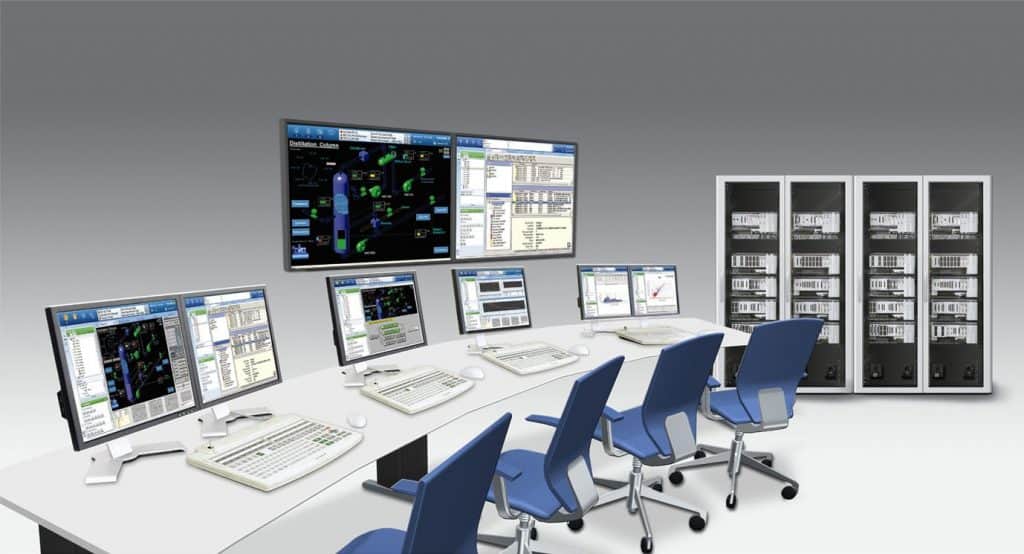
According to Next Move Strategy Consulting, the Asia-Pacific Distributed Control System (DCS) Market is expected to experience significant growth, reaching USD 11 billion by 2030. This growth is forecasted to occur at a compound annual growth rate (CAGR) of 8% between 2024 and 2030, driven by increasing adoption of automation across industries, the transition to sustainable energy solutions, and the ongoing Industry 4.0 revolution.
Distributed Control Systems (DCS) are computer-based control systems widely used in industries such as oil and gas, power generation, chemical processing, pharmaceuticals, food and beverages, and more. These systems enable the automation of large-scale industrial processes, offering numerous benefits, including improved process control, enhanced safety, increased efficiency, and reduced downtime.
Automation and Sustainable Energy: Key Drivers for DCS Growth
- Rising Demand for Industrial Automation
The growing need for automation across various sectors in the Asia-Pacific region is a major factor driving the expansion of the Asia-Pacific Distributed Control System (DCS) Market. Industries such as oil and gas, manufacturing, energy, chemicals, and pharmaceuticals are increasingly adopting automation systems to improve their operations, optimize processes, and enhance overall productivity. Automation allows these industries to scale operations, manage complexities, and improve control and monitoring of critical processes with minimal human intervention.
Click Here for Your FREE Sample!
In particular, the region’s emphasis on automating high-demand sectors, such as power generation and oil refining, is pushing the need for advanced control systems. DCS systems, with their ability to manage large-scale, complex processes while maintaining high reliability and efficiency, are central to this transition.
- Sustainable Energy Initiatives and Government Investments
Another driving force in the DCS market is the growing push for energy independence and sustainability across Asia-Pacific. Governments are heavily investing in renewable energy projects such as wind, solar, and hydroelectric power, aiming to reduce reliance on fossil fuels and lower greenhouse gas emissions. These investments create a need for sophisticated automation and control systems that ensure the efficient and safe operation of renewable energy plants.
The Asia-Pacific region’s focus on achieving net-zero emissions by 2050 has resulted in the increased adoption of DCS in renewable energy facilities, as these systems enable precise monitoring and control of energy production, distribution, and storage. As renewable energy projects continue to expand, the demand for DCS systems capable of handling such operations efficiently is expected to increase.
DCS and the Industry 4.0 Revolution
The advent of Industry 4.0 technologies, including the Internet of Things (IoT), Artificial Intelligence (AI), and Big Data Analytics, is transforming manufacturing processes. DCS systems play a crucial role in this transformation, serving as the backbone for the integration of these advanced technologies into industrial operations.
By providing real-time monitoring, control, and data analytics capabilities, DCS enables manufacturers to optimize their processes, improve decision-making, and increase overall efficiency. For example, DCS systems can gather data from IoT-enabled sensors, use AI to analyze this data, and provide actionable insights to operators for process optimization. In an era where manufacturing competitiveness depends on speed, accuracy, and data-driven decisions, DCS has emerged as a key enabler of Industry 4.0.
- Modular and Flexible DCS: Enabling Greater Customization and Efficiency
One of the latest trends in the Asia-Pacific DCS market is the shift towards modular and flexible systems. Traditionally, DCS solutions were centralized, large-scale installations that required significant investments in hardware and infrastructure. However, the development of modular DCS systems has changed this dynamic, offering a more scalable and customizable solution for businesses.
Modular DCS systems are designed to be adaptable and cost-effective, with components that can be added or removed based on specific process requirements. These systems allow companies to integrate only the necessary components for their needs, reducing both upfront and operational costs.
ABB’s modular-enabled process automation solution, which incorporates an orchestration layer and modular type packages (MTPs), exemplifies the advantages of this technology. The flexibility of such systems makes them ideal for industries such as pharmaceuticals, biotech, mining, and manufacturing, where processes need to be tailored and adjusted regularly.
Cybersecurity Challenges and Market Restraints
Despite the numerous advantages of DCS systems, there are certain challenges that could hinder market growth, with cybersecurity risks being a major concern. As DCS systems become increasingly integrated with digital technologies and interconnected networks, they become more vulnerable to cyberattacks.
In sectors such as oil and gas, power generation, and chemical processing, where DCS systems control critical infrastructure, the risks associated with cyberattacks are particularly high. Cybercriminals gaining unauthorized access to a DCS system could lead to serious disruptions, financial losses, and even environmental or safety hazards.
As a result, companies and governments must invest heavily in cybersecurity measures to safeguard DCS systems from potential breaches. Increased awareness of cybersecurity risks, coupled with regulatory measures to address these threats, will play an essential role in mitigating the impact of cybercrimes on the DCS market.
Competitive Landscape
The Asia-Pacific DCS market is highly competitive, with several prominent players leading the charge in providing cutting-edge solutions for industrial automation. Key players in the market include:
- Yokogawa Electric Corporation
- Hitachi Ltd.
- Omron Corporation
- Emerson Electric Co.
- Mitsubishi Electric Corporation
- ABB Ltd.
- Rockwell Automation Inc.
- Honeywell International Inc.
- Valmet OYJ
- Toshiba Corporation
- Schneider Electric SE
- General Electrics
- Ingeteam Corporation S.A
- Azbil Corporation
- Siemens AG
These companies are focusing on expanding their portfolios with advanced DCS systems, offering innovative features such as greater modularity, integration with Industry 4.0 technologies, and enhanced cybersecurity measures to meet the growing demands of industrial automation across Asia-Pacific.
Outlook for the Asia-Pacific DCS Market
The Asia-Pacific Distributed Control System (DCS) market is poised for significant growth in the coming years, driven by the increasing adoption of automation across various industries, the region’s focus on energy sustainability, and the transformative impact of Industry 4.0 technologies.
The introduction of modular and flexible DCS systems is expected to further drive demand, providing industries with more customized, scalable, and cost-effective automation solutions. While cybersecurity remains a key concern, investments in robust security frameworks will be essential for the continued success of DCS systems.
