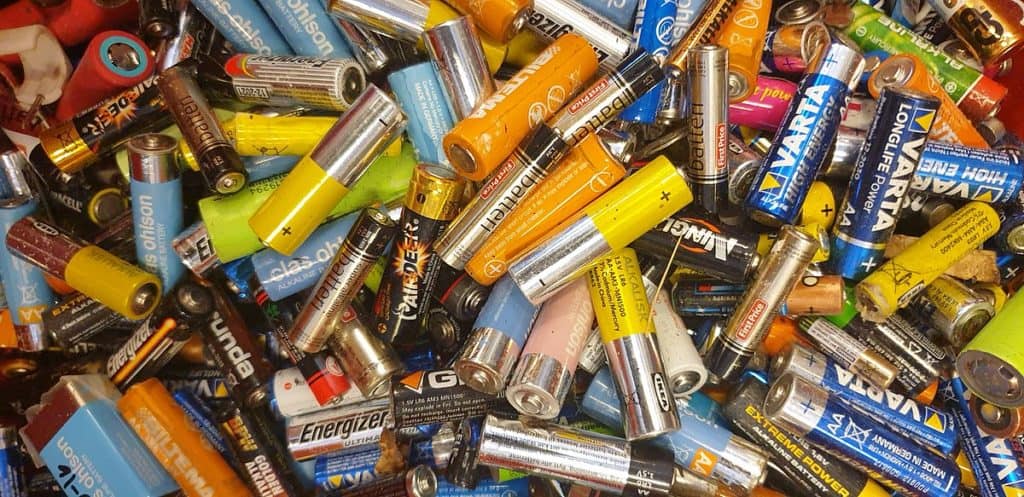
A battery functions as a reservoir for storing energy, which is later released by transforming chemical energy into electrical energy. This process is achieved by utilizing one or more electrochemical cells. Batteries hold immense significance in our daily routines and can be divided into primary and secondary variants. Primary batteries, often called non-rechargeable batteries, offer a straightforward and convenient power source for a range of portable gadgets such as cameras, watches, toys, radios, and illumination devices.
According to Next Move Strategy Consulting, the Canada Battery Market is set to experience rapid growth, with an estimated value of USD 15 billion by 2030, expanding at a robust compound annual growth rate (CAGR) of 17%. As electric vehicles (EVs) and renewable energy technologies continue to gain traction, the demand for batteries in Canada is expected to soar, bolstered by significant government incentives and key industry developments.
Don’t Miss Out! Get Your FREE Sample!
Market Overview
Batteries play a critical role in powering modern-day technologies, acting as reservoirs for storing energy and converting chemical energy into electrical power. With applications ranging from primary batteries used in everyday gadgets to secondary, rechargeable batteries powering EVs and large industrial systems, the battery market is becoming a cornerstone of Canada’s clean energy transition.
Government Initiatives and EV Promotion
Canada has emerged as a leader in the global electric vehicle (EV) revolution. In a bid to decarbonize the transportation sector, the Canadian government is investing in initiatives like the Zero-Emission Vehicle Infrastructure Program (ZEVI). This push for EV adoption is expected to drive demand for batteries, particularly in the automotive sector, supporting the growth of Canada’s battery market.
Unlock a FREE Sample – Try Before You Buy!
Localization of Battery Manufacturing
Key players in the global battery manufacturing sector, such as LG Energy Solution, are setting up shop in Canada, spurring job creation and boosting the local economy. In 2022, LG Energy Solution announced a groundbreaking joint venture with Stellantis to invest over USD 4.1 billion in a state-of-the-art battery manufacturing facility in Windsor, Ontario. The facility, set to open in 2025, will provide batteries for EV manufacturing plants across Canada, catering to the growing demand for EVs.
Safety Concerns and Environmental Impact
While the battery industry in Canada flourishes, it faces challenges related to battery safety and environmental concerns. Improper disposal of used batteries leads to the release of toxic chemicals like mercury, cadmium, and lithium into the environment, potentially harming ecosystems and human health. These safety risks may hinder the overall growth of the battery market, prompting the need for better recycling and disposal practices.
Introduction of Nano-Diamond Batteries (NDB)
The introduction of Nuclear Diamond Batteries (NDBs) offers exciting prospects for the Canadian battery market. NDBs, which harness the energy from the radioactive decay of nuclear waste, promise an incredibly long lifespan and high energy output. As industries such as automotive, aerospace, and electronics explore the potential of NDBs, Canada’s battery market is expected to benefit from this revolutionary technology.
Competitive Landscape
The Canadian battery market is highly competitive, with key players such as LG Energy Solution Ltd., Tesla Inc., Panasonic Corporation, and SK Innovation Co. Ltd. leading the charge. As companies ramp up investments in manufacturing facilities and technological advancements, the market is becoming increasingly diverse, offering numerous growth opportunities.
Market Segmentation
- By Battery Type: Primary (Non-rechargeable) and Secondary (Rechargeable)
- By Voltage: Low, Medium, and High Voltage Batteries
- By Power Capacity: Low to Ultra-High Capacity Batteries
- By Application: Residential, Industrial, Automotive, Consumer Electronics, and more
Key Drivers of Growth
Several factors are expected to drive growth in the Canadian battery market:
- Government incentives supporting clean energy technologies
- Adoption of hybrid and electric vehicles
- Local manufacturing investments by leading battery producers
Conclusion
The Canada battery market is on track to experience significant growth, driven by strong governmental support, technological innovation, and strategic partnerships with global battery manufacturers. With the adoption of electric vehicles, energy storage solutions, and cutting-edge battery technologies such as NDBs, Canada’s battery industry is well-positioned for long-term success.
