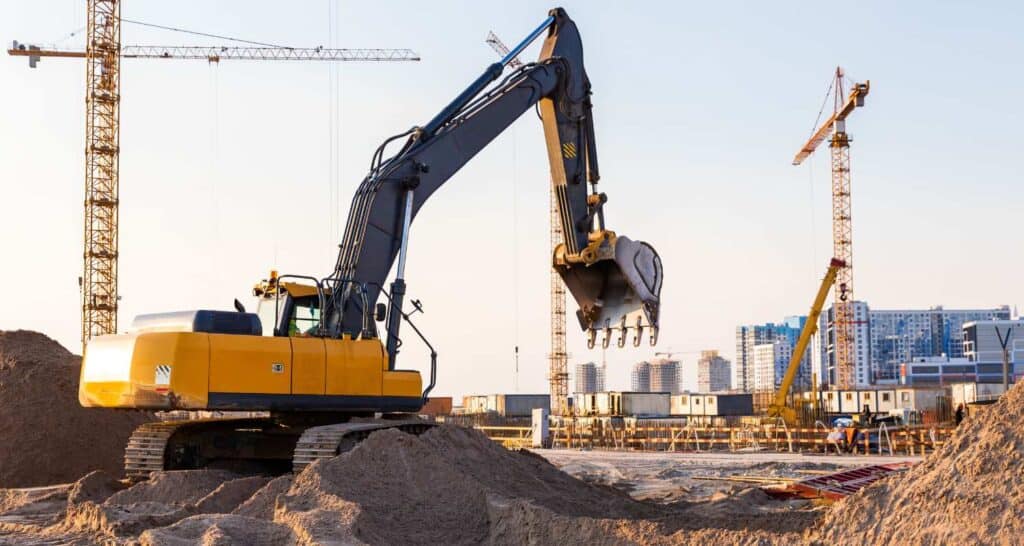
According to Next Move Strategy Consulting, the Indonesia Construction Market, is poised for impressive growth, projected to reach USD 536 billion by 2030, growing at a compound annual growth rate (CAGR) of 12% from 2024 to 2030. This substantial growth is being driven by a significant surge in government-led infrastructure projects, increased private sector investments, and the integration of digital technologies in construction, such as Building Information Modeling (BIM).
The construction industry in Indonesia plays a central role in driving the country’s economic development. Encompassing a wide range of projects, from residential and commercial real estate to large-scale infrastructure, this market impacts every facet of the nation’s growth and modernization. With a broad scope that spans urban development, industrial expansion, transportation networks, and energy infrastructure, the construction sector is uniquely positioned to capitalize on the country’s rapidly developing economy.
Government-Led Infrastructure Projects: Key Driver of Growth
A key factor behind the explosive growth of the Indonesia construction market is the government’s commitment to infrastructure development. The government has pledged over USD 400 billion in investments aimed at upgrading existing infrastructure and expanding critical sectors. The focus is primarily on transportation and energy, including projects to enhance mass transit systems, improve road networks, and boost energy generation and distribution capacity.
Click Here for Your FREE Sample!
This large-scale infrastructure investment is expected to foster economic growth by improving connectivity across the nation, enhancing the flow of goods and services, and providing better access to essential services such as healthcare and education. The transportation sector, in particular, is set to receive the lion’s share of this budget, with projects like new rail systems, airports, seaports, and road improvements aimed at reducing congestion and facilitating trade.
Furthermore, the government’s approach includes attracting private sector participation in public infrastructure projects. By fostering public-private partnerships (PPP), the government aims to inject capital into essential sectors such as healthcare, social welfare, and education while ensuring efficiency and sustainability in infrastructure development.
Investment Boom Fuels Market Expansion
The Indonesian construction market is experiencing a significant influx of investments. This surge in investment comes as Indonesia continues to modernize its infrastructure to meet the needs of a growing population and an expanding economy. The influx of funding is expected to continue throughout the forecast period, providing a substantial boost to the construction sector and supporting a wide range of development projects. The growing role of private investors, both local and international, in these initiatives is accelerating the market’s growth, creating new opportunities across various sectors, including energy, transportation, telecommunications, and residential and commercial real estate.
With robust demand for infrastructure projects, coupled with favorable economic conditions such as low interest rates and rising per capita incomes, the Indonesian construction market is poised for sustainable and long-term growth.
Regulatory Complexities: Barriers to Growth
Despite the positive outlook, regulatory challenges continue to hinder the progress of construction projects in Indonesia. The construction sector faces several hurdles due to a complex web of government regulations and permitting procedures. Infrastructure projects often require a multitude of approvals from local, regional, and national authorities, which can lead to delays and inflated costs.
Navigating zoning laws, environmental assessments, and compliance with building codes is often a time-consuming and bureaucratic process. Inconsistent policies across jurisdictions can further complicate matters, with regulatory disparities between regions creating barriers to the smooth execution of projects. Additionally, changes in regulations or sudden policy shifts can disrupt construction timelines, cause cost overruns, and deter investment.
To overcome these challenges, it is crucial for government agencies to streamline approval processes and ensure that infrastructure development is as efficient and predictable as possible. Greater transparency, improved regulatory consistency, and a faster permitting process would not only facilitate smoother project execution but also help maintain investor confidence in the sector.
Digital Transformation: BIM and Digitalization as Key Opportunities
As the construction industry continues to evolve, the integration of digital tools such as Building Information Modeling (BIM) presents a significant opportunity for Indonesia’s construction market. BIM, a sophisticated 3D modeling technology, is transforming the way infrastructure projects are designed, built, and managed. By providing a digital representation of physical structures, BIM enhances collaboration, improves accuracy, and reduces inefficiencies in the construction process.
In September 2022, the National Institute of Building Sciences (NIBS) launched the Indonesia National Building Information Management (BIM) Program, an initiative aimed at accelerating the adoption of BIM within the Indonesian construction industry. The program focuses on leveraging digital tools to streamline workflows, reduce costs, and improve the safety and resilience of infrastructure projects.
The adoption of BIM is expected to revolutionize Indonesia’s construction sector by improving coordination among project stakeholders, allowing for better project planning and management. By addressing the digitalization gap, Indonesia can enhance the efficiency, quality, and sustainability of its infrastructure projects, making them more cost-effective and less prone to delays and budget overruns.
Competitive Landscape
The Indonesian construction market is home to several key players actively contributing to the growth of the sector. Notable companies operating in the market include PT Waskita Karya (Waskita), PT Adhi Karya (Adhi Karya), PT Pembangunan Perumahan (PP), PT Wijaya Karya (Wijaya Karya), PT Jasa Marga (Persero) Tbk (Jasa Marga), PT Totalindo Eka Persada (Totalindo), PT Surya Semesta Internusa (SSI), PT Kajima Indonesia, PT Balfour Beatty Indonesia, PT PP Presisi (PP Presisi), PT Acset Indonusa (Acset), PT Nindya Karya (Nindya Karya), PT Jaya Obayashi, PT PP (Persero) Tbk, and Total Bangun Persada.
These players are involved in a variety of sectors, from real estate and transportation to energy and telecommunications. With their extensive experience and expertise, these companies are integral to delivering large-scale infrastructure projects across Indonesia, contributing to the country’s broader economic development goals.
Market Segmentation and Key Sectors
The Indonesian construction market is segmented across various sectors and project types, offering diverse opportunities for growth and investment:
By Type:
- Renovation
- New Construction
By Sector:
- Real Estate
- Residential (Affordable and Luxury)
- Commercial (Retail Buildings, Office Buildings, Hospitality)
- Healthcare Facilities
- Educational Institutes
- Entertainment Ventures
- Infrastructure
- Transportation (Airports, Ports, Rail, Roads)
- Water and Wastewater
- Energy (Power Plants, Oil Refineries, Chemical Plants)
- Telecommunications
- Industrial
- Manufacturing Plants
- Warehouses
- Power Plants
- Oil Refineries
- Chemical Plants
The infrastructure sector, particularly transportation and energy, remains the largest contributor to the construction market, driven by government-led projects and significant investment from both public and private sectors. Residential and commercial real estate projects are also expected to see substantial growth, fueled by rising demand for housing, office space, and urban development.
Outlook: A Promising Future for the Indonesian Construction Market
The Indonesian construction market is poised for tremendous growth, with a projected market size of USD 536 billion by 2030, growing at a CAGR of 12% from 2024 to 2030. The continued focus on government-led infrastructure projects, a surge in private sector investments, and the integration of digital technologies such as BIM will all contribute to this robust growth. Despite challenges posed by regulatory complexities, Indonesia’s construction market remains one of the most promising in Southeast Asia.
