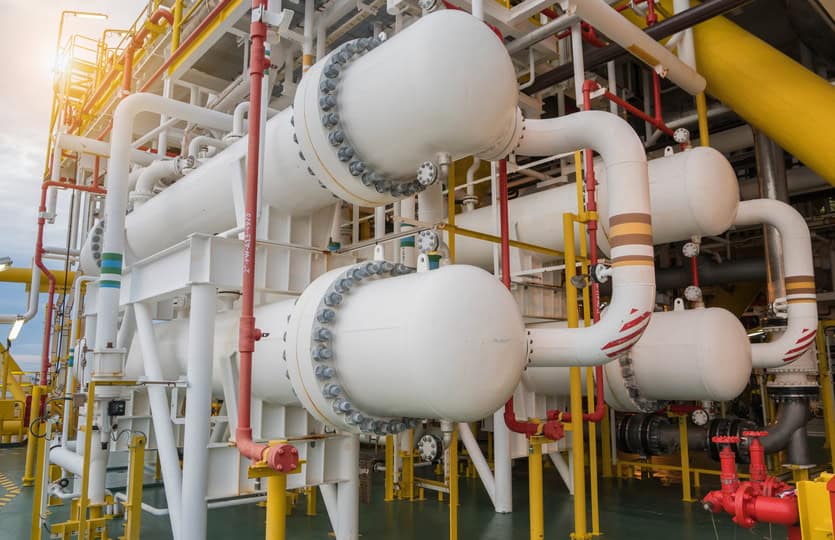
The Mexico heat exchangers market growth is driven by the increasing demand for energy-efficient solutions, the rapid expansion of industrial sectors, and significant investments in infrastructure development.
The Mexico Heat Exchangers Market is predicted to reach USD 978.4 million, with a CAGR of 7.2% by 2030. As Mexico continues to strengthen its manufacturing, oil and gas, and power generation industries, the demand for advanced heat exchangers is expected to rise steadily.
Download Your Free Sample Today!
Heat Exchangers: A Key Component in Industrial Processes
Heat exchangers are vital devices used to transfer heat between fluids or gases in industrial processes without mixing them. These systems play a crucial role in improving energy efficiency, reducing operational costs, and minimizing environmental impact by optimizing temperature control. Heat exchangers are commonly used across industries such as HVAC (heating, ventilation, and air conditioning), oil and gas, chemical processing, power generation, and automotive.
As Mexico advances its industrial capabilities, the role of heat exchangers in improving energy efficiency and enabling sustainable practices becomes more significant. They are critical for both large-scale operations and small to medium-sized enterprises that seek to reduce energy consumption while enhancing performance.
Key Drivers of Growth in Mexico Heat Exchangers Market
- Industrial Expansion and Manufacturing Growth
Mexico’s manufacturing sector has experienced remarkable growth in recent years, particularly in automotive, electronics, and chemical industries. The country’s strategic location, robust infrastructure, and skilled labor force have attracted a considerable amount of foreign direct investment (FDI). The expansion of these industries is fueling the demand for heat exchangers, as these systems are integral to many industrial processes, such as cooling, heating, and heat recovery.
- Energy Efficiency and Sustainability Initiatives
The Mexican government and industries are focusing on enhancing energy efficiency to meet both domestic and international environmental standards. As Mexico adopts more energy-efficient technologies, the need for heat exchangers capable of reducing energy consumption and improving overall system performance is rising. Heat exchangers provide a way to recover heat, optimize thermal management, and reduce the energy consumption of manufacturing processes. These factors make them a critical technology for businesses seeking to align with sustainability goals and improve cost-effectiveness.
- Growing Demand in the Oil & Gas Sector
The oil and gas industry is a major contributor to Mexico’s economy. Heat exchangers play an essential role in refining, petrochemical production, and pipeline transportation. As the oil and gas industry continues to expand in Mexico, there is an increasing demand for efficient heat exchangers to improve thermal regulation and heat recovery in various processes. With ongoing investments in both exploration and refining infrastructure, the oil and gas sector will continue to drive the need for advanced heat exchanger technologies.
- Power Generation and Renewable Energy Investments
Mexico has been investing heavily in expanding its power generation capacity, especially in renewable energy sources such as wind, solar, and hydroelectric power. Heat exchangers are vital in power generation plants for managing the temperatures of cooling water, steam cycles, and waste heat recovery systems. As renewable energy continues to play a larger role in Mexico’s energy landscape, the demand for energy-efficient heat exchangers is poised to grow. Furthermore, investments in traditional power generation plants will continue to contribute to market growth.
- Advancements in Heat Exchanger Technology
Technological advancements in heat exchangers, such as the development of more compact, durable, and efficient systems, are driving growth in Mexico’s market. Innovations in materials, such as titanium and high-performance alloys, allow for better heat transfer efficiency and longer lifespans. The adoption of digital monitoring and IoT technology in heat exchangers allows for real-time data tracking, ensuring higher operational efficiency, better maintenance practices, and longer equipment life. As these innovations become more mainstream, Mexico’s industrial sectors are increasingly adopting these advanced systems to stay competitive.
Challenges in the Mexico Heat Exchangers Market
- High Initial Costs and Investment
One of the key challenges in the market is the high upfront cost of advanced heat exchangers. While the long-term energy savings and efficiency benefits are significant, the initial investment required for high-performance heat exchangers may be prohibitive for small and medium-sized businesses (SMBs). However, as technology advances and competition increases, the cost of heat exchangers is expected to become more affordable, driving wider adoption across various industrial sectors.
- Maintenance and Operational Costs
Another challenge is the cost associated with the maintenance and upkeep of heat exchangers. These systems require regular cleaning, inspection, and repair to ensure optimal performance. Companies that lack the infrastructure for routine maintenance may face issues with fouling, corrosion, and scaling, which can compromise the efficiency of heat exchangers and increase operational costs. Providing effective training programs for maintenance teams and promoting preventive maintenance strategies will be crucial for the success of the heat exchangers market in Mexico.
- Supply Chain and Material Shortages
The ongoing global supply chain disruptions and material shortages, particularly in raw materials such as copper and steel, have impacted the heat exchangers market. These disruptions have led to delays in production, increased material costs, and reduced availability of critical components. However, as the global supply chain stabilizes, these challenges are expected to ease, enabling faster market recovery and continued growth.
Conclusion
The heat exchangers market in Mexico is projected to witness steady growth over the next decade. As industries such as automotive, oil and gas, power generation, and chemicals continue to thrive, the demand for heat exchangers will remain strong.
