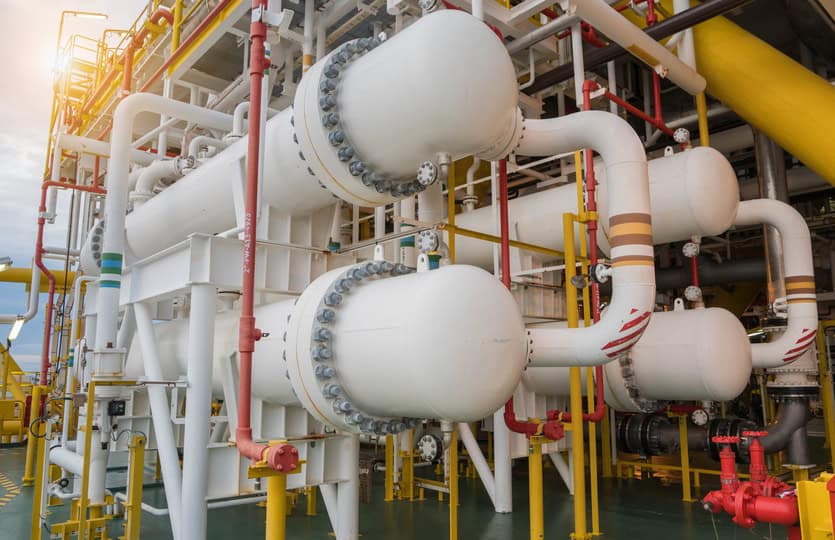
The North America heat exchangers market growth is primarily driven by rising demand across sectors such as HVAC (heating, ventilation, and air conditioning), energy production, automotive, and manufacturing. As industries increasingly prioritize energy efficiency and sustainability, the need for effective heat exchange systems is expected to rise, supporting long-term market growth.
The North America Heat Exchangers Market is predicted to reach USD 9187.0 million with a CAGR of 6.2% by 2030. Heat exchangers are devices that facilitate the transfer of heat between two or more fluids without mixing them. These systems are essential in a wide range of industries, including power generation, HVAC, refrigeration, automotive, and chemical processing. By improving energy efficiency, heat exchangers help industries reduce energy consumption and costs while minimizing environmental impact.
Try it Risk-Free – Download Your FREE Sample!
In North America, the demand for heat exchangers is being driven by technological advancements, stricter energy efficiency regulations, and the rising emphasis on reducing carbon emissions. With industries looking to optimize their energy use, the adoption of innovative heat exchanger designs and materials is becoming more prevalent.
Key Drivers of Market Growth
Several factors are contributing to the continued expansion of the heat exchangers market in North America:
- Growing Demand for Energy-Efficient Systems
As concerns about energy consumption and environmental sustainability continue to rise, industries are increasingly investing in energy-efficient technologies. Heat exchangers play a crucial role in improving energy efficiency by reducing heat loss in industrial processes. In sectors like power generation, manufacturing, and HVAC, heat exchangers are being used to recover and reuse waste heat, making processes more sustainable and cost-effective.
- Rising Adoption in the HVAC Sector
The HVAC industry, which plays a key role in residential, commercial, and industrial heating and cooling systems, is one of the largest drivers of demand for heat exchangers. As North America experiences fluctuating weather patterns and the need for efficient climate control rises, demand for advanced HVAC systems incorporating heat exchangers is growing. The increasing popularity of energy-efficient heating and cooling solutions, particularly in the commercial real estate and residential sectors, is expected to drive further demand in the HVAC market.
- Technological Advancements and Innovations
Technological advancements in heat exchanger designs, materials, and manufacturing processes are boosting the market. The development of compact heat exchangers, as well as the integration of new materials such as high-performance alloys and graphene, has led to improved performance and reliability. These innovations are allowing industries to optimize space, enhance energy recovery, and improve system durability, making heat exchangers more appealing for a wider range of applications.
- Increasing Investments in Renewable Energy and Power Generation
North America is investing heavily in renewable energy sources such as wind, solar, and geothermal power. Heat exchangers are essential in these applications, particularly in geothermal plants where they are used to transfer heat from the ground to energy-producing systems. As the renewable energy sector continues to expand, the demand for heat exchangers in power generation and industrial applications is expected to rise significantly.
- Rising Industrialization and Manufacturing Activity
The resurgence of manufacturing in North America, particularly in the automotive, chemical, and oil and gas sectors, is contributing to an increased demand for heat exchangers. These industries rely on heat exchangers to maintain temperature control in critical processes, improve operational efficiency, and comply with stringent environmental regulations. The growing demand for durable and efficient heat exchangers in industrial applications will continue to drive market growth.
Industry-Specific Applications
Heat exchangers are utilized in several industries, each with its own unique set of needs and applications:
- HVAC Systems: Heat exchangers are vital in HVAC systems, where they help regulate air temperature and humidity levels. These systems are widely used in residential, commercial, and industrial buildings, and the growing trend toward energy-efficient construction is pushing up the demand for advanced heat exchangers.
- Power Generation: Heat exchangers are used extensively in power plants, where they help transfer heat from steam to water in order to maintain optimal efficiency. In both conventional and renewable energy generation, heat exchangers are integral to optimizing thermal efficiency and reducing waste.
- Automotive Industry: In the automotive sector, heat exchangers are used in engines, air conditioning systems, and exhaust systems. With the rise of electric vehicles (EVs), the need for advanced thermal management solutions is also increasing, driving the demand for more efficient heat exchangers in electric vehicle battery cooling systems.
- Chemical and Petrochemical: In the chemical and petrochemical industries, heat exchangers are used to transfer heat during various stages of chemical reactions and refining processes. The growing demand for specialty chemicals and refined petroleum products is boosting the need for reliable and energy-efficient heat exchangers in these sectors.
Regional Outlook
The North America heat exchangers market is dominated by the U.S., which accounts for a significant portion of market share due to the country’s large industrial base, technological leadership, and growing emphasis on energy-efficient solutions. The U.S. is home to several key players in the heat exchanger manufacturing sector, including companies like Alfa Laval, Xylem Inc., and Tranter.
Canada is also contributing to market growth, particularly in the oil and gas industry, where heat exchangers are widely used for refining and petrochemical processing. Furthermore, Canada’s growing investments in renewable energy sources such as hydroelectric and wind power are expected to increase the demand for heat exchangers in the energy sector.
Competitive Landscape
The North America heat exchangers market is highly competitive, with several major players dominating the market, including Alfa Laval AB, Xylem Inc., Kelvion, SPX Corporation, and Danfoss. These companies are focused on expanding their product offerings, enhancing manufacturing capabilities, and improving energy efficiency to meet the increasing demand for high-performance heat exchangers.
In addition to large multinational companies, smaller players specializing in niche products are also making their mark, offering custom solutions for specific industries such as aerospace, pharmaceuticals, and food and beverage processing.
Challenges and Future Outlook
While the heat exchangers market in North America is poised for growth, challenges such as fluctuating raw material prices, intense competition, and the complexity of meeting evolving regulatory standards remain. However, with continued advancements in technology, demand for heat exchangers is expected to increase, particularly in sectors focused on sustainability, renewable energy, and energy efficiency.
The future of the North America heat exchangers market looks bright, with continuous innovation, growing demand for energy-efficient systems, and expanding applications across a range of industries. As industries continue to prioritize sustainability and optimize energy use, the role of heat exchangers in reducing costs and improving operational efficiency will remain central to market growth.
Conclusion
The North America heat exchangers market is experiencing strong growth, driven by technological advancements, increasing demand for energy-efficient solutions, and rising industrial activity. With applications spanning HVAC, power generation, automotive, and manufacturing, heat exchangers will continue to be a key enabler of energy efficiency and sustainability across industries. As market dynamics evolve, innovations in design and material technology will ensure that heat exchangers remain a critical component of modern industrial processes.
