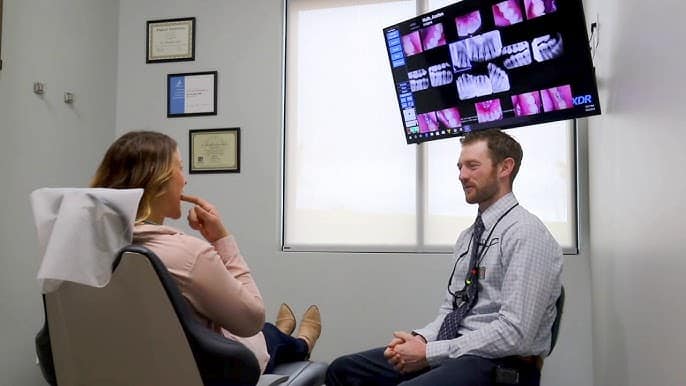
The global teledentistry market growth is driven by advancements in digital healthcare technologies, the increasing demand for remote healthcare services, and the rising awareness about the importance of oral health.
The global Teledentistry Market is predicted to reach USD 4.59 billion with a CAGR of 17.45% by 2030. Teledentistry, a branch of telemedicine that enables remote consultation, diagnosis, and treatment planning in dentistry, has gained significant traction in recent years. It allows dental professionals to interact with patients remotely, offering consultations, follow-up care, and even the possibility of initial diagnosis through digital platforms. As technology continues to evolve, teledentistry is becoming an essential service, especially in regions with limited access to dental care.
Test It First – Download Your FREE Sample!
Key Market Drivers
- Access to Dental Care in Remote Areas
Teledentistry has emerged as a game-changer for individuals residing in rural or underserved regions where access to dental professionals is limited. Remote consultations via teledentistry platforms allow patients in remote areas to receive dental advice and treatment plans without needing to travel long distances. This has proven to be particularly valuable in regions with healthcare infrastructure challenges, ensuring that oral health care is accessible to more people.
- Advancements in Digital Health Technologies
The rapid growth of digital health technologies is a key driver behind the expansion of the teledentistry market. The integration of mobile health applications, video conferencing tools, and AI-powered diagnostic platforms has made it easier for patients and healthcare providers to connect remotely. Additionally, digital tools such as intraoral cameras and 3D imaging have enabled more accurate diagnoses and treatment plans during remote consultations.
- Increased Demand for Convenience and Cost-Effective Care
As consumers become more accustomed to the convenience of online services in other sectors, the demand for telehealth services, including teledentistry, has surged. Teledentistry offers the advantage of time and cost savings by reducing the need for in-person visits and associated travel expenses. This is especially appealing to busy individuals, parents, and those seeking quick and easy access to dental advice without disrupting their daily routines.
- Growing Focus on Preventive Oral Healthcare
The increasing awareness about the importance of oral health and the benefits of preventive care has contributed to the market growth of teledentistry. With teledentistry services offering remote consultations, routine check-ups, and early detection of dental issues, patients are more inclined to embrace these services to maintain oral health, preventing costly and more complicated procedures in the future.
Key Technological Innovations
The teledentistry market is benefiting from several technological advancements that are enhancing patient care and experience. Key innovations include:
- Artificial Intelligence (AI) in Diagnostics: AI powered tools are now being used in teledentistry platforms to analyze dental images and provide accurate diagnostics. AI can help identify early signs of dental issues, such as cavities, gum disease, and oral cancers, providing patients with timely information that can prevent more serious conditions.
Get Instant Access to a FREE Sample!
- Virtual Consultations and Video Conferencing: Video conferencing tools, which are essential for teledentistry consultations, have improved significantly in recent years. These platforms now offer features such as secure file sharing, real-time access to digital records, and virtual examination capabilities, making remote consultations more efficient and effective.
- Teledentistry Mobile Apps: Mobile applications designed specifically for teledentistry services are becoming more popular. These apps allow patients to schedule appointments, communicate directly with dental professionals, send images or videos of their oral condition, and receive prescriptions and follow-up instructions. These apps contribute to a seamless and accessible experience for patients.
Challenges Facing the Teledentistry Market
Despite the promising growth, there are several challenges that need to be addressed for the market to reach its full potential:
- Regulatory and Reimbursement Barriers: One of the main obstacles in the adoption of teledentistry is the lack of consistent regulatory frameworks across different regions. Many countries and healthcare systems have not yet established clear guidelines for remote dental consultations, including reimbursement policies for teledentistry services. This can create confusion and limit access to care.
- Technological Limitations in Some Regions: In some parts of the world, access to reliable internet and advanced digital technologies may still be limited. This can hinder the effectiveness of teledentistry in rural and underserved areas where it is most needed. Overcoming these technological barriers is essential to ensuring equitable access to teledentistry services.
- Patient Trust and Privacy Concerns: While teledentistry offers many benefits, patients may be hesitant to embrace remote consultations due to concerns about data security and privacy. Ensuring that platforms comply with strict data protection regulations and building trust with patients will be vital to the success of teledentistry.
Opportunities for Growth
The teledentistry market presents several opportunities for growth:
- Expansion in Developing Regions: As internet connectivity improves and access to smartphones and digital platforms increases, teledentistry is set to expand rapidly in developing regions. This will provide an opportunity to address the dental care needs of underserved populations and bridge the gap in access to oral healthcare.
- Integration with Broader Telehealth Solutions: As telemedicine continues to grow, teledentistry is likely to be integrated into broader telehealth platforms, enabling a holistic approach to healthcare. This can further improve the accessibility and efficiency of care, particularly for individuals seeking comprehensive health services.
Conclusion
The teledentistry market is driven by increasing access to remote healthcare, advancements in digital health technologies, and a growing focus on preventive oral care, teledentistry is becoming an essential component of the dental industry. Despite challenges such as regulatory issues and technological limitations, the future of teledentistry looks promising, with vast opportunities for innovation and expansion.
