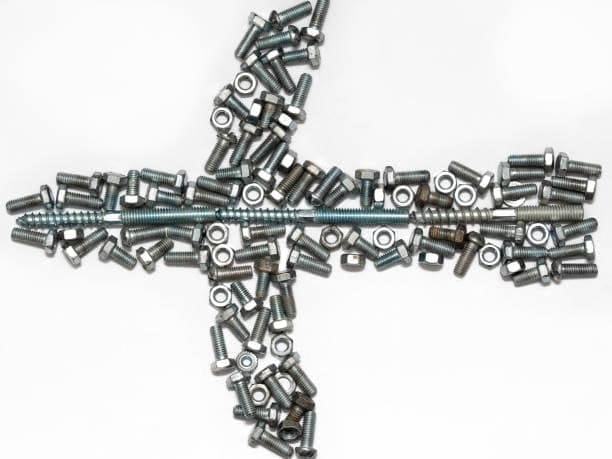
The Aircraft Bolt Market plays a critical role in ensuring the structural integrity, safety, and durability of modern aircraft. Aircraft bolts are specialized fasteners engineered to withstand extreme stress, vibration, and temperature variations while maintaining lightweight properties. As aviation manufacturers continue to prioritize performance, fuel efficiency, and safety, demand for high-quality aircraft bolts is steadily increasing across commercial, military, and general aviation segments.
According to industry assessments, the Aircraft Bolt Market was valued at USD 3.28 billion in 2024 and is projected to reach USD 3.41 billion in 2025. Over the forecast period from 2025 to 2035, the market is expected to grow at a compound annual growth rate (CAGR) of 3.95%, reaching approximately USD 5.024 billion by 2035. This consistent growth reflects long-term aircraft production plans, fleet modernization programs, and the expansion of global air travel.
The competitive landscape of the Aircraft Bolt Market is shaped by the presence of established aerospace manufacturers and specialized fastening solution providers. Key companies profiled in the market include Boeing, Lockheed Martin, Northrop Grumman, Raytheon Technologies, General Dynamics, Airbus, Safran, Thales, Kaman Corporation, and LISI Aerospace. These players focus on advanced material development, precision manufacturing, and long-term supply contracts with aircraft OEMs to strengthen their market positions while ensuring compliance with strict aviation standards.
Free Sample Copy – Access A Complimentary Copy of Our Report to Explore Its Content and Insights: https://www.marketresearchfuture.com/sample_request/25346
One of the primary growth factors driving the Aircraft Bolt Market is the rising demand for lightweight materials. Aircraft manufacturers are increasingly adopting titanium alloys, advanced steel grades, and composite-compatible fasteners to reduce overall aircraft weight and improve fuel efficiency. Lightweight bolts not only enhance performance but also contribute to lower operational costs and reduced emissions, aligning with global sustainability goals in aviation.
Another significant driver is the steady growth in global aircraft production and maintenance activities. Commercial aviation continues to recover and expand, particularly in emerging economies, while defense modernization programs support demand for military aircraft and helicopters. Additionally, the maintenance, repair, and overhaul (MRO) segment generates recurring demand for replacement aircraft bolts, ensuring stable revenue streams for manufacturers.
Technological advancements and manufacturing innovations further support market expansion. The integration of advanced manufacturing techniques such as precision forging, CNC machining, and additive manufacturing enhances bolt strength, reliability, and customization. These innovations enable manufacturers to meet increasingly stringent safety and performance requirements while reducing production waste and lead times.
From a segmentation perspective, the Aircraft Bolt Market is categorized by bolt type, material, tensile strength, application, and region. Different bolt types are used across airframes, engines, landing gear, and interior components, each requiring specific strength and corrosion resistance characteristics. Material selection plays a crucial role, with titanium and high-strength steel bolts dominating applications that demand superior fatigue resistance and durability.
Regional analysis highlights North America as a leading market due to the strong presence of major aircraft manufacturers, defense contractors, and advanced aerospace infrastructure. The United States, in particular, benefits from high defense spending, continuous aircraft upgrades, and a robust MRO ecosystem, all of which drive consistent demand for aircraft bolts.
Europe represents another significant market, supported by established aerospace programs and the presence of major OEMs and suppliers. Countries such as France, Germany, and the United Kingdom contribute to demand through commercial aircraft manufacturing, military aviation projects, and cross-border aerospace collaborations. Strict regulatory standards in Europe also encourage the adoption of high-quality, certified fastening solutions.
The Asia-Pacific region is expected to witness the fastest growth during the forecast period. Rapid expansion of air passenger traffic, rising investments in domestic aircraft manufacturing, and increasing defense procurement in countries like China, India, and Japan are key factors driving regional demand. Growing MRO activities in APAC further enhance market opportunities for aircraft bolt suppliers.
Access Full Report Now – Gain Comprehensive Insights into the Market with Our Detailed Research Report: https://www.marketresearchfuture.com/reports/aircraft-bolt-market-25346
South America and the Middle East & Africa (MEA) regions offer emerging growth opportunities as airlines expand fleets and governments invest in aviation infrastructure. While these regions currently account for a smaller share of the global Aircraft Bolt Market, long-term growth prospects remain positive due to increasing connectivity and defense modernization initiatives.
Looking ahead, the Aircraft Bolt Market is poised for steady growth through 2035, supported by lightweight material adoption, technological innovation, and expanding global aviation activity. Companies that invest in advanced materials, efficient manufacturing processes, and strategic partnerships with aircraft OEMs are expected to gain a competitive edge. As safety, performance, and sustainability remain top priorities, aircraft bolts will continue to be a critical component in the evolving aerospace industry.
Browse More Report:
Aviation Crew Management Systems Market
Aviation Asset Management Market
Sonar Systems and Technology Market
Inertial Measurement Unit Market
Satellite Launch Vehicle Market
