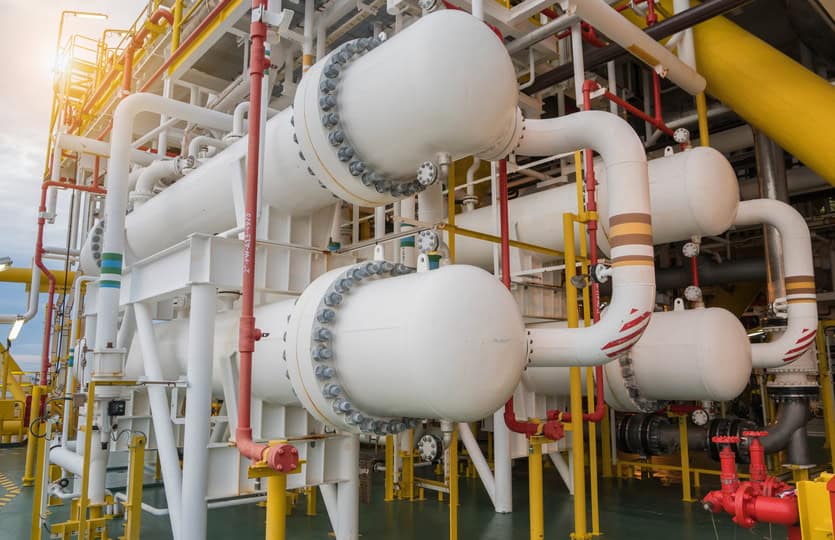
The UK heat exchangers market growth is driven by increasing demand for energy-efficient systems, the growing emphasis on sustainability, and the rise in industrial applications of heat exchangers in key sectors such as HVAC, power generation, and chemical processing.
The UK Heat Exchangers Market is predicted to reach USD 841.1 million, with a CAGR of 4.0% by 2030. As industries strive to meet energy efficiency standards and environmental regulations, the heat exchangers market is poised to expand significantly over the coming years.
Unlock a FREE Sample – Try Before You Buy!
What Are Heat Exchangers and Their Role in Modern Industries?
Heat exchangers are devices that transfer heat between two or more fluids, typically to regulate temperature or recover energy. They play a crucial role in a wide range of industries, including HVAC, power generation, automotive, and chemical processing. These devices are instrumental in improving energy efficiency, reducing operational costs, and minimizing environmental impact.
Click to Uncover the Full News
In the UK, heat exchangers are becoming an essential component of industrial systems, as companies seek solutions to enhance performance while meeting stricter energy consumption and environmental standards. With the government’s commitment to reducing carbon emissions and transitioning to renewable energy sources, the demand for efficient heat exchange systems is expected to grow.
Key Drivers of Market Growth
Several factors are driving the growth of the UK heat exchangers market:
- Rising Demand for Energy-Efficient Solutions
With growing concerns about climate change and the environmental impact of energy consumption, there is a heightened demand for energy-efficient technologies across industries. Heat exchangers are essential for improving energy efficiency, as they help recover waste heat and reduce the need for additional energy input. As companies strive to comply with energy efficiency regulations, the adoption of heat exchangers in both residential and commercial applications is increasing.
- Growth in the HVAC Sector
The demand for heat exchangers in the HVAC sector is expected to remain strong, driven by the increasing focus on energy-efficient building systems. As more buildings are designed with sustainability in mind, heat exchangers are essential for managing heating and cooling systems more effectively. The UK government’s emphasis on green building standards and improving energy performance in residential and commercial properties is accelerating the demand for these systems.
- Power Generation and Renewable Energy Demand
Heat exchangers are critical components in power plants, where they help transfer heat between fluids to generate electricity. The UK’s commitment to expanding renewable energy sources, including wind, solar, and geothermal power, is driving demand for specialized heat exchangers in these sectors. Additionally, the adoption of combined heat and power (CHP) systems and district heating projects further boosts the need for efficient heat exchangers.
- Industrial Applications
The manufacturing, petrochemical, and food processing industries are major consumers of heat exchangers in the UK. These sectors rely on heat exchangers for temperature regulation and heat recovery during various industrial processes. As the UK industrial sector continues to grow, the demand for heat exchangers will rise, particularly in energy-intensive industries seeking cost-effective and efficient temperature control solutions.
- Technological Advancements
Technological advancements in heat exchanger design, including innovations in materials, compactness, and heat transfer efficiency, are driving market growth. Modern heat exchangers are smaller, more efficient, and easier to maintain, making them a more attractive option for industries and commercial applications. Innovations such as plate heat exchangers and spiral heat exchangers are expected to further improve the performance and versatility of heat exchange systems.
Key Applications of Heat Exchangers in the UK
Heat exchangers are used across various sectors in the UK, including:
- HVAC Systems: Heat exchangers play a vital role in residential, commercial, and industrial HVAC systems by regulating indoor air temperature and ensuring energy-efficient heating and cooling.
- Power Generation: In thermal power plants, heat exchangers are used to transfer heat from steam to water, helping maintain optimal temperatures for power generation. Renewable energy plants, such as geothermal and solar power stations, also require specialized heat exchangers to optimize heat recovery.
- Chemical and Petrochemical Industries: Heat exchangers are essential in chemical and petrochemical processes, such as distillation, refrigeration, and heat recovery. These industries require highly efficient heat exchangers to ensure the safety and effectiveness of their operations.
- Food and Beverage Processing: Heat exchangers are widely used in the food and beverage industry for processes like pasteurization, sterilization, and cooling. The need for energy-efficient and safe processing technologies is driving the adoption of heat exchangers in this sector.
- Automotive Industry: The automotive industry relies on heat exchangers for cooling and thermal management in various vehicle components, such as engines, radiators, and air conditioning systems.
Regional Insights
The UK heat exchangers market is witnessing significant demand, particularly in urban areas with high industrial activity, such as London, Manchester, and Birmingham. These regions are home to a diverse range of industries, including manufacturing, power generation, and food processing, all of which drive the need for efficient heat exchangers. Additionally, the growing construction sector, spurred by government initiatives to improve energy efficiency in buildings, is contributing to the rising demand for heat exchangers.
Competitive Landscape
The UK heat exchangers market is competitive, with key players such as Alfa Laval, SPX Corporation, Danfoss, and Xylem Inc. leading the market. These companies are investing in innovation and expanding their portfolios to include a wide range of heat exchange technologies. Many of these players are also focusing on partnerships and acquisitions to increase their market presence in the UK and other European countries.
Smaller, regional players are also making a mark in the market by providing custom heat exchange solutions tailored to specific industry needs. As industries demand more efficient and cost-effective systems, the competition among market players is expected to intensify.
Challenges and Future Outlook
Despite the strong growth potential, challenges such as fluctuating raw material prices, supply chain disruptions, and the high initial cost of some advanced heat exchangers may limit market growth. However, ongoing technological advancements and increased demand for energy-efficient solutions will help address these challenges.
Looking ahead, the UK heat exchangers market is expected to continue growing, supported by the country’s strong commitment to energy efficiency, sustainability, and renewable energy. As industries and businesses strive to meet environmental targets and reduce operational costs, the demand for advanced heat exchangers will remain robust.
Conclusion
The UK heat exchangers market is set for significant growth, driven by the rising demand for energy-efficient solutions, technological innovations, and the expanding industrial and HVAC sectors. As the country continues to prioritize sustainability and energy efficiency, heat exchangers will play an increasingly important role in helping industries reduce their environmental impact and improve operational performance.
