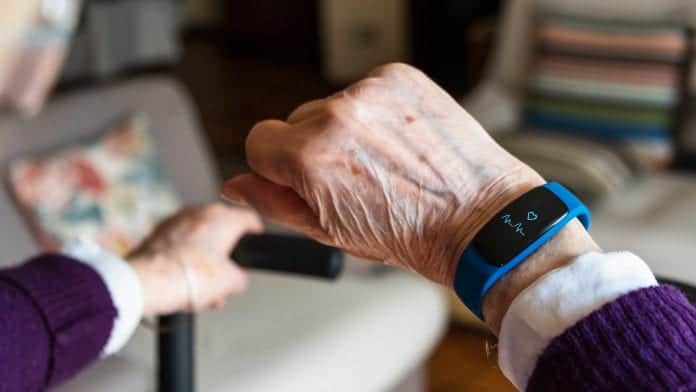
According to Next Move Strategy Consulting, the Indonesia Disabled & Elderly Assistive Device Market, is on track for substantial growth, with projections indicating it will reach USD 1139.8 million by 2030, reflecting a robust compound annual growth rate (CAGR) of 17.5% by 2030. This surge in market value is attributed to key drivers such as an aging population, rising healthcare expenditure, and advancements in technology.
The market is driven by the increasing demand for assistive devices, including mobility aids, hearing aids, medical furniture, living aids, and more, aimed at enhancing the quality of life for the elderly and disabled individuals. These devices play a pivotal role in improving independence, safety, and overall wellbeing, while also responding to the evolving healthcare needs of Indonesia’s population.
Rising Aging Population Fuels Market Demand
Indonesia, like many countries in Southeast Asia, is undergoing a significant demographic shift towards an aging population. According to the World Bank Group’s 2022 report, individuals aged 65 and above represent 7% of the nation’s total population, a figure that is steadily increasing. This demographic shift is creating an urgent need for products designed to address age-related health challenges, including mobility issues, chronic conditions, and cognitive impairments.
As more individuals enter older age brackets, there is a growing demand for mobility aids, healthcare solutions, and devices that allow seniors to maintain their autonomy and continue living independently. In response, innovations in assistive devices tailored for the elderly, such as advanced mobility aids, home care devices, and hearing aids, are playing an essential role in ensuring that Indonesia’s aging population remains connected, safe, and empowered.
The Impact of Rising Healthcare Expenditure
An equally important factor driving the market is Indonesia’s increased healthcare expenditure. With the Indonesian government making substantial investments to improve healthcare infrastructure and services, there is a direct impact on the availability and accessibility of medical devices, including those within the assistive device category. According to the World Bank Group’s 2024 report, healthcare expenditure in Indonesia accounted for 3.7% of the nation’s GDP in 2021, with healthcare expenditure per capita standing at USD 160.7.
This growing investment in healthcare is creating a favorable environment for the growth of the disabled and elderly assistive device market, as it ensures a wider range of products – from basic aids to advanced medical devices – become accessible to those who need them most. As Indonesia continues to prioritize healthcare accessibility and quality, demand for assistive devices across hospitals, elderly nursing homes, and home care settings is expected to increase substantially over the forecast period.
Technological Advancements Driving Market Innovation
The integration of advanced technologies, particularly Artificial Intelligence (AI) and smart sensors, is expected to further revolutionize the disabled and elderly assistive device market in Indonesia. The use of AI in assistive devices enables them to adapt to the specific needs of individual users, offering a level of personalization and dynamic functionality that was previously unattainable.
Download Sample of Artificial Intelligence (AI) Market
AI-powered devices, such as smart hearing aids, mobility aids, and health-monitoring systems, are capable of learning from user interactions and adjusting their settings in real-time. These innovations are expected to create a significant opportunity for growth, as they improve user experience, enhance safety, and empower individuals with disabilities or elderly individuals to live more independently.
Regulatory Challenges Pose Market Barriers
Despite the promising growth potential, the Indonesia disabled and elderly assistive device market faces significant regulatory challenges. The National Agency of Drug and Food Control (NADFC) and other regulatory bodies enforce stringent testing and certification requirements for medical devices, including assistive products. These regulatory processes, though essential for ensuring safety and efficacy, contribute to delays in product launches and increased costs.
The extensive regulatory framework in Indonesia can limit the speed at which new products enter the market, ultimately slowing down innovation and limiting access to new assistive solutions. These regulatory barriers present a challenge for manufacturers aiming to expand their product portfolios and meet the growing demand in the market.
Competitive Landscape: Key Players in the Market
The Indonesia Disabled & Elderly Assistive Device Market is highly competitive, with numerous global and local companies vying for market share. Key players in the industry include:
Explore the Benefits with a FREE Sample!
- Stryker Corporation
- Starkey Hearing Technologies
- Sermex Mobility Ltd.
- Foshan Dongfang Medical Equipment Manufactory (Ltd.)
- Sunrise Medial
- Paramount Indonesia
- HexaFit Go
- JBH Medical
- Comfort Mobility
- Dragon Medical Co., Ltd.
- Drive Medical Gmbh & CO. Kg
- MotionAid
- Agrapana Radhika Adicandra (ARA)
- Pt Bumi Indah Putra
- Karma Medical Products Company Ltd.
These companies are at the forefront of innovation, offering a wide range of assistive devices designed to meet the diverse needs of the aging and disabled population in Indonesia. As competition intensifies, players in the market will be under increasing pressure to invest in cutting-edge technologies, expand their product offerings, and improve accessibility to ensure they meet the demands of an evolving market.
Market Segmentation: Key Product Types and End-Users
The Indonesia Disabled & Elderly Assistive Device Market is segmented into various product types and end-users:
By Type:
- Mobility Impairments: Wheelchairs, walkers, canes, crutches, portable ramps, etc.
- Hearing Impairments: Hearing aids, FM systems, deafblind communicators for hearing, etc.
- Visual Impairments: Screen readers, optical magnifiers, smart phones for vision, Braille writing equipment, etc.
- Cognitive Impairments: Devices for self-care, shower chairs, grab-bars/handrails, etc.
By End User:
- Hospitals
- Elderly Nursing Homes
- Home Care
- Other End Users
Conclusion
The Indonesia Disabled & Elderly Assistive Device Market is poised for rapid growth, thanks to factors such as an aging population, rising healthcare expenditure, and technological innovation. While regulatory challenges remain a hurdle, advancements in AI and sensor technology present a unique opportunity for the industry to meet the evolving needs of disabled and elderly individuals in Indonesia. As the market grows, it will play a crucial role in enhancing accessibility, improving quality of life, and ensuring that the aging population and individuals with disabilities can live with greater independence and dignity.
