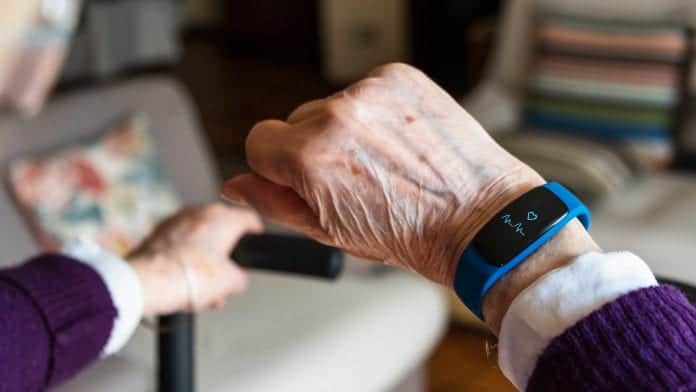
According to Next Move Strategy Consulting, the Russia Disabled & Elderly Assistive Device Market is poised for significant growth, projected to expand to an estimated USD 1579.1 million by 2030, with a robust compound annual growth rate (CAGR) of 8.6% by 2030. This expanding sector is a crucial response to the country’s aging population and increasing disability rates, underpinned by technological innovations aimed at enhancing the quality of life for individuals with disabilities and elderly citizens.
Market Overview
The Russia Disabled & Elderly Assistive Device Market includes a diverse range of products designed to support elderly individuals and people with disabilities in maintaining independence and improving their quality of life. These products encompass medical furniture, hearing aids, mobility aids, living aids, and cognitive assistance devices, which are vital for managing chronic health conditions and ensuring the safety of users.
Unlock a FREE Sample – Try Before You Buy!
With rapid technological advancements and a regulatory landscape that encourages inclusivity and accessibility, the sector continues to evolve to meet the needs of a diverse and growing user base. As the number of elderly and disabled individuals in Russia rises, the demand for assistive devices has surged, making the market integral to enhancing accessibility and wellbeing.
The Aging Population as a Key Driver
A significant demographic shift in Russia is playing a central role in driving the demand for assistive devices. In 2022, approximately 15.8% of Russia’s population was aged 65 years and over. These growing elderly demographic is experiencing an increase in age-related health conditions, creating a need for specialized devices to help manage chronic illnesses and maintain independence. Hearing aids, mobility aids, and other assistive devices are essential in supporting this demographic’s daily activities, enabling them to live comfortably and autonomously.
The elderly population’s increasing need for assistive devices reflects broader trends in aging societies worldwide. As Russia’s elderly population continues to grow, the market for products that address sensory impairments, mobility challenges, and cognitive disorders is expected to increase substantially.
Increasing Disability Rates Fuel Market Growth
The rise in disability rates among Russians is another major factor propelling market growth. With over 13 million individuals living with disabilities—roughly 9% of the country’s population—the demand for assistive devices to support daily living is significant. Chronic illnesses, accidents, and the effects of aging have contributed to this increased prevalence of disabilities, further highlighting the need for mobility aids, adaptive devices, and home care products.
Mobility impairments, in particular, are driving demand for products such as wheelchairs, walkers, rollators, crutches, and portable ramps. Similarly, individuals with hearing impairments benefit from the use of hearing aids and other sensory enhancement devices. This demand for accessible living solutions is expected to intensify as Russia’s disabled population continues to grow.
Regulatory Challenges Constrain Market Expansion
While the Russian Disabled & Elderly Assistive Device Market is poised for growth, there are challenges that could impact its development. Stringent regulatory requirements imposed by the Ministry of Health (Minzdrav) and other national agencies can delay the introduction of new products. Assistive devices, particularly medical devices, must undergo rigorous testing and certification processes to ensure safety and efficacy before entering the market. These regulatory hurdles, while necessary for ensuring quality, increase product development timelines and costs, posing potential barriers to market growth.
Despite these challenges, companies are finding innovative ways to navigate the regulatory environment, and the market continues to thrive as demand for assistive devices escalates.
AI and Technological Innovations to Drive Market Evolution
The integration of Artificial Intelligence (AI) and advanced sensor technology into assistive devices represents a major opportunity for market expansion. AI is enabling devices to evolve from static solutions to dynamic, personalized systems that adapt to the unique needs of each user. Machine learning algorithms allow assistive devices to continuously improve their functionality based on user interactions, offering greater independence, ease of use, and overall effectiveness.
Download Sample of Artificial Intelligence (AI) Market
As AI technology continues to advance, it will empower users by providing real-time solutions tailored to their individual needs, whether for mobility assistance, sensory enhancement, or cognitive support. This technological leap is expected to transform the sector, enhancing both the functionality of devices and the experience of the user.
Competitive Landscape
The Russia Disabled & Elderly Assistive Device Market features a dynamic competitive landscape with several key players at the forefront. Major companies operating in the sector include:
- Stryker Corporation
- Starkey Hearing Technologies
- Baxter
- Ottobock
- Karman Healthcare
- MEYRA GmbH
- Numotion
- Aeroflot
- Millercare
- Glebe Healthcare
These companies are leveraging innovative technologies and strong distribution networks to enhance the availability and variety of assistive devices. As market demand continues to rise, these companies are poised to play a crucial role in meeting the needs of the disabled and elderly populations in Russia.
Market Segmentation
The Russia Disabled & Elderly Assistive Device Market is segmented into various categories based on device type and end-user. The key segments include:
- By Device Type:
- Mobility Impairments: Wheelchairs, Walkers, Rollators, Canes, Crutches, Portable Ramps
- Hearing Impairments: Hearing Aids, FM Systems, Deafblind Communicators
- Visual Impairments: Screen Readers, Optical Magnifiers, Smartphones for Vision, Braille Writing Equipment, Talking Devices
- Cognitive Impairments: Self-Care Products, Shower Chairs, Grab Bars/Handrails
- By End User:
- Hospitals
- Elderly Nursing Homes
- Home Care
- Other End Users
Market Outlook
The Russia Disabled & Elderly Assistive Device Market is expected to continue its upward trajectory as both the elderly population and the number of individuals with disabilities rise.
Key drivers of this growth include the expanding elderly population, the increasing rates of disability, and innovations in technology that enhance the functionality of assistive devices. As the demand for these devices increases, there will be growing opportunities for both local and international companies to capitalize on this expanding market.
