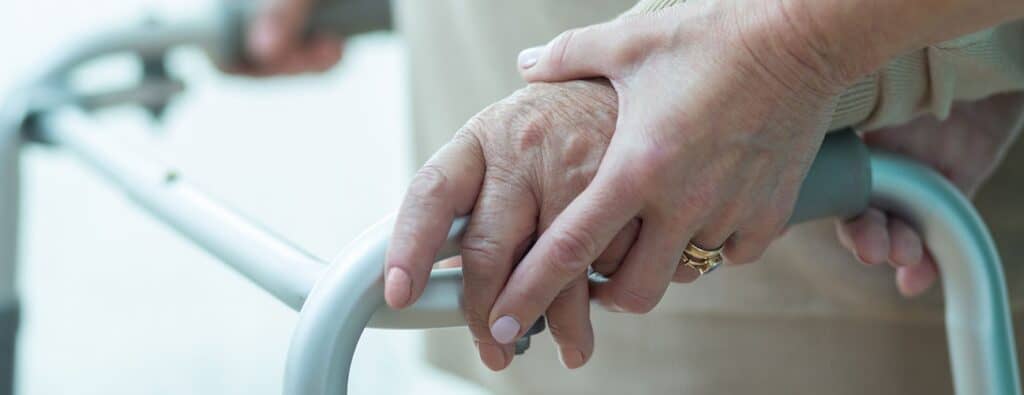
According to Next Move Strategy Consulting, the Sweden Disabled & Elderly Assistive Device Market is experiencing rapid growth. Forecasted to nearly triple by 2030, the market is projected to hit USD 1902.2 million at a robust compound annual growth rate (CAGR) of 14.2% by 2030. The accelerating demand for innovative assistive devices to support the aging population and individuals with disabilities is driving market expansion, creating new opportunities for manufacturers and investors alike.
Aging Population and Healthcare Investments Driving Market Demand
Sweden’s aging population is a key factor behind the surge in demand for assistive devices. With the proportion of citizens aged 80 years and above reaching 5.5% in 2023, compared to Norway’s 4.5%, Sweden is witnessing a notable demographic shift. As people age, the need for devices that support mobility, sensory functions, and daily living activities has surged, prompting heightened demand for products such as mobility aids, hearing aids, and home care systems.
According to the European Commission report 2024, this demographic change is fueling investments in healthcare innovation, ensuring that assistive technologies evolve to meet the needs of a more dependent and diverse user base. Sweden’s healthcare sector continues to grow, with the country allocating a substantial 11.2% of its GDP towards healthcare expenditure. This commitment plays a pivotal role in advancing the development and accessibility of assistive devices, promoting the welfare of elderly and disabled individuals nationwide.
Technological Advancements to Shape the Future of Assistive Devices
The integration of cutting-edge technologies such as Artificial Intelligence (AI) and advanced sensors into assistive devices is expected to unlock new growth opportunities in Sweden’s disabled & elderly assistive device market. These innovations are not only improving the functionality and personalization of devices, but also making them more adaptable to individual users’ needs.
Download Sample of Artificial Intelligence (AI) Market
AI-powered devices have the potential to evolve beyond static solutions. With the ability to learn from user interactions, these devices can adapt in real-time, improving over time to better serve the unique requirements of each user. From mobility aids to hearing solutions, AI is helping to make assistive devices more responsive, intelligent, and personalized, revolutionizing the market and enhancing the quality of life for individuals who rely on these products for independence.
The Regulatory Landscape and Market Challenges
While the prospects for the Sweden Disabled & Elderly Assistive Device Market are strong, the industry also faces several regulatory challenges. The Swedish National Board of Health and Welfare (Socialstyrelsen) and other regulatory bodies impose stringent approval processes to ensure the safety and efficacy of assistive products. These processes often involve extensive testing and certification, which can lead to delays in product launches and increased costs for manufacturers.
Experience It for Yourself – Download a FREE Sample!
Despite these hurdles, the regulatory landscape plays a crucial role in ensuring that only safe and reliable products reach the market, thereby protecting the end users and maintaining high industry standards.
Key Segments Driving Market Growth
The Sweden Disabled & Elderly Assistive Device Market can be divided into several key segments that cater to different types of impairments:
- Mobility Impairments: This includes products like wheelchairs, walkers, rollators, canes, crutches, and portable ramps, designed to help individuals with mobility challenges maintain independence.
- Hearing Impairments: Hearing aids, FM systems, and deafblind communicators are essential for individuals with hearing disabilities to improve their auditory capabilities and communication skills.
- Visual Impairments: Assistive technologies such as screen readers, optical magnifiers, smartphones for vision, Braille writing equipment, and talking devices support individuals with visual impairments in daily life.
- Cognitive Impairments: Devices like shower chairs and grab-bars, along with self-care tools, help individuals with cognitive impairments manage personal care routines and daily activities.
These devices are deployed across a variety of end-users, including hospitals, elderly nursing homes, and home care settings, with increasing numbers of people turning to at-home solutions that allow for greater independence and comfort.
Market Competition and Key Players
The Sweden Disabled & Elderly Assistive Device Market is highly competitive, with numerous players involved in the design, manufacturing, and distribution of assistive technologies. Notable companies driving innovation and market growth include:
- Stryker Corporation
- Invacare Corporation
- Baxter
- Thuasne
- Etac AB
- Panthera AB
- Eurovema
- Sonova
- ORCA EUROPE
- LVI Low Vision International
These companies, along with others, are continuously investing in research and development to enhance the functionality and accessibility of their products, ensuring that they meet the evolving needs of the elderly and disabled populations.
Market Outlook and Future Growth
With the integration of artificial intelligence and the increasing focus on personalized healthcare solutions, the future of assistive devices in Sweden looks promising. These technologies have the potential to revolutionize the way individuals with disabilities and the elderly navigate their daily lives, improving their quality of life and independence.
As regulatory challenges remain a key concern, manufacturers are investing in the development of compliant and efficient solutions, ensuring that Sweden’s disabled and elderly population continues to benefit from safe, innovative, and high-quality assistive devices.
Conclusion
The Sweden Disabled & Elderly Assistive Device Market is witnessing rapid growth, fueled by the increasing aging population, significant healthcare investments, and ongoing technological innovations. As demand for mobility aids, hearing devices, visual and cognitive aids, and other assistive technologies continues to rise, the market is poised to reach new heights in the coming years. The integration of AI and other cutting-edge technologies promises to further transform the industry, providing personalized, adaptive solutions that meet the evolving needs of users across Sweden.
The market’s future looks bright, with a growing number of opportunities for manufacturers, healthcare providers, and investors to contribute to improving the quality of life for individuals with disabilities and elderly populations.