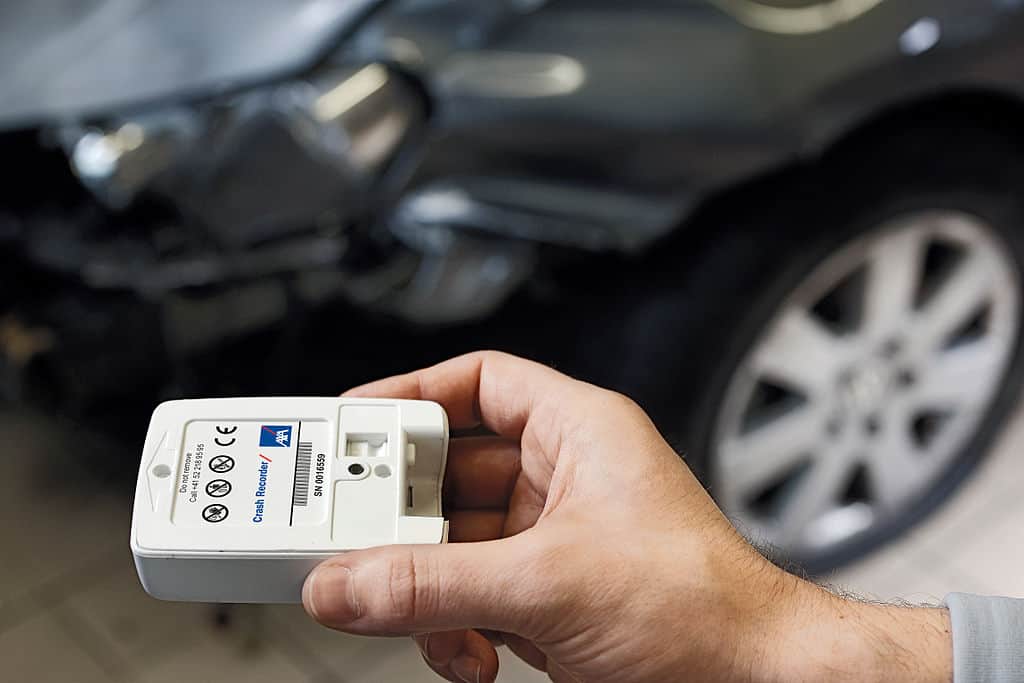
The Automotive Event Data Recorder (EDR) market is poised for robust growth is predicted to reach USD 1.61 billion with a CAGR of 5.71% till 2030, as automotive manufacturers and regulatory bodies continue to embrace data-driven safety solutions to enhance vehicle performance, improve accident investigation processes, and promote safer driving practices. With the increasing demand for advanced driver assistance systems (ADAS) and autonomous vehicle technologies, the EDR market is expected to witness a significant rise in adoption over the next several years.
Key Drivers of Growth in the Automotive EDR Market
- Increased Focus on Vehicle Safety and Accident Investigation The growing emphasis on vehicle safety, both from consumers and regulatory authorities, is a key driver behind the increased adoption of EDRs in vehicles. Governments across the globe are mandating the installation of EDRs in certain vehicle categories to aid accident investigations, improve road safety, and hold manufacturers accountable for safety-related issues. For example, the National Highway Traffic Safety Administration (NHTSA) in the United States requires certain vehicles to be equipped with EDRs to capture accident data for better crash investigations and policy formulation. Similarly, countries in Europe and Asia are also embracing this technology to enhance vehicle safety standards.
- Technological Advancements in Data Collection and Storage As vehicle technology continues to advance, automotive EDR market are evolving to capture increasingly sophisticated data points. Newer EDRs are capable of storing data from a broader range of sensors, including those used for ADAS features such as collision avoidance, lane-keeping assist, and adaptive cruise control. These systems provide critical information that helps in understanding the performance of safety features, assessing vehicle dynamics, and offering insights into potential areas for improvement. Additionally, advancements in data storage and cloud computing technologies enable more robust data analysis and long-term storage of event data.
Click Here for Your FREE Sample!
- Growing Adoption of Autonomous and Semi-Autonomous Vehicles As autonomous vehicles and semi-autonomous vehicles continue to gain traction, the role of EDRs in these vehicles is becoming even more significant. These vehicles are equipped with a range of sensors, cameras, and control systems that require extensive monitoring to ensure proper functionality. EDRs in autonomous vehicles capture critical data regarding sensor performance, system failures, and driver-vehicle interaction, which can be crucial for ensuring safety and addressing liability concerns. With the global push towards self-driving cars, EDRs are anticipated to become a standard feature in vehicles equipped with advanced automation capabilities.
See What You’re Missing – Download a FREE Sample Now!
Key Applications of Automotive EDRs
- Accident Investigation and Reconstruction One of the primary applications of automotive EDRs is in accident investigation and reconstruction. In the event of a crash, the data collected by EDRs, such as speed, brake application, and steering inputs, can provide critical insights into the circumstances surrounding the incident. This data aids law enforcement, insurance companies, and legal professionals in determining fault, understanding the sequence of events, and enhancing the accuracy of crash reports. As such, the EDR market is expected to grow as more regulatory bodies and insurance companies recognize the value of this data in post-crash analysis.
- Vehicle Diagnostics and Performance Monitoring Automotive EDRs are increasingly being used for vehicle diagnostics and performance monitoring. The data collected by EDRs can help manufacturers and fleet operators track vehicle health and identify potential mechanical issues before they lead to major failures. With the ability to monitor critical parameters such as engine performance, fuel efficiency, and braking systems, EDRs play a crucial role in enhancing vehicle maintenance practices and improving the overall lifespan of vehicles.
- Driver Behavior Monitoring In addition to accident data, EDRs also capture data on driver behavior, including seatbelt usage, speed, and harsh braking events. This data is useful for fleet operators who want to monitor driver performance, reduce accidents, and implement safety initiatives. Many fleet management companies use EDR data to improve training programs and incentivize safe driving habits among employees, ultimately reducing the risk of accidents and improving operational efficiency.
Challenges in the Automotive EDR Market
- Privacy Concerns and Data Security One of the challenges hindering the widespread adoption of EDRs is concerns surrounding data privacy and security. The data collected by EDRs, especially in the case of connected vehicles, can be sensitive and personal in nature. There is growing concern about how this data is stored, who has access to it, and how it is used by third parties, including insurance companies and law enforcement agencies. To address these concerns, manufacturers and regulatory bodies are working to implement stricter data protection regulations to ensure the privacy and security of vehicle data.
- High Implementation Costs for Manufacturers The integration of EDR systems into vehicles requires advanced hardware and software solutions, which can be costly for manufacturers. Smaller automakers may face challenges in implementing EDR technology across their product lines due to the high costs associated with its development and integration. However, as the technology matures and economies of scale come into play, the cost of implementing EDRs is expected to decrease, making it more accessible for manufacturers of all sizes.
Conclusion
The automotive EDR market is expected to grow significantly over the coming years, driven by advancements in vehicle technology, increasing safety regulations, and the growing adoption of telematics and autonomous driving systems. As manufacturers continue to prioritize safety, regulatory bodies enforce stricter requirements, and consumers demand more data-driven solutions, the demand for EDR systems will continue to rise. With the potential to transform accident investigations, vehicle diagnostics, and insurance models, EDRs are poised to play a crucial role in the future of the automotive industry.
