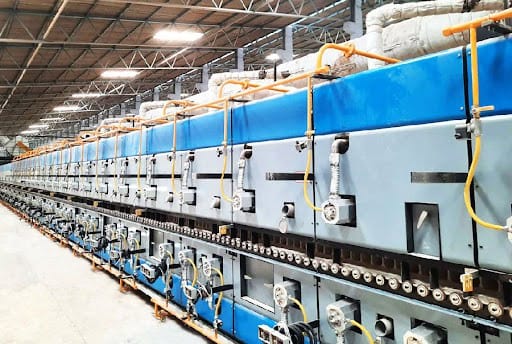
The Japan Ceramic Machinery Market is witnessing a phase of dynamic growth, driven by technological innovations, the rise of advanced manufacturing processes, and robust demand from end-user industries. Expected to grow at a compound annual growth rate (CAGR) of 6.9% from 2024 to 2030, the market is projected to exceed USD 223.3 billion by 2030. Japan, known for its cutting-edge technologies and precision engineering, is at the forefront of this growth, with advancements in automation, digitalization, and sustainability shaping the future of ceramic machinery.
Key Drivers of Growth in the Japan Ceramic Machinery Market
The Japan Ceramic Machinery Market is influenced by several factors, including technological innovation, the growth of end-user industries, and the demand for eco-friendly solutions. Here are the key drivers contributing to the market’s growth:
Click Here for Your FREE Sample!
1. Technological Innovation and Automation
One of the primary drivers of growth in the Japan ceramic machinery market is the increasing integration of automation and digital technologies in the production process. Japan has been a global leader in robotics and automation, and these innovations are being applied extensively in the ceramic industry. From automated tile production lines to robotic handling systems, automation is revolutionizing the way ceramics are manufactured.
The integration of the Internet of Things (IoT) and artificial intelligence (AI) in manufacturing processes is also enhancing productivity and quality control. Smart ceramic machinery equipped with IoT sensors can monitor production processes in real time, detect potential issues, and adjust settings to optimize performance. This level of precision and control leads to higher quality products and reduced production downtime.
Click Here for Your FREE Sample!
2. Growing Demand for Advanced Ceramics
Advanced ceramics, such as technical ceramics used in industries like automotive, electronics, and healthcare, are increasingly in demand. These high-performance materials require specialized production techniques, and the Japanese ceramic machinery market is evolving to meet these needs. For instance, Japan’s automotive sector uses advanced ceramics for components such as spark plugs, sensors, and brake pads. As the automotive industry continues to shift towards electric vehicles (EVs), the demand for high-tech ceramic components is expected to increase further.
3. Increasing Focus on Sustainability and Energy Efficiency
Sustainability is a key concern for industries worldwide, and Japan is no exception. As environmental regulations become stricter and consumers demand eco-friendly products, ceramic manufacturers are increasingly focusing on sustainability. The demand for energy-efficient machinery that minimizes resource consumption and reduces carbon emissions is growing rapidly.
4. Recovery and Growth in the Construction Industry
The construction industry in Japan is a major consumer of ceramic products, particularly in the form of tiles and sanitary ware. Although the Japanese construction sector faced challenges during the pandemic, it is now witnessing a recovery, fueled by demand for new residential projects, commercial developments, and infrastructure renewal.
5. Export Potential for Japanese Ceramic Machinery
Japan is known for its high-quality manufacturing, and this reputation extends to the ceramic machinery sector. Japanese manufacturers of ceramic machinery are gaining increasing recognition in international markets due to their precision, reliability, and technological advancements. As global demand for advanced ceramics and specialized machinery rises, Japan is positioned to be a key exporter of ceramic machinery to countries in Asia, Europe, and North America.
6. Aging Population and Shift to Smart Homes
Japan’s aging population is another factor influencing the demand for ceramic machinery. As more elderly individuals require specialized living spaces, there is an increasing demand for accessible and durable ceramic products, such as slip-resistant tiles and sanitary ware designed for the elderly.
Market Segmentation: A Comprehensive Overview
The Japan ceramic machinery market can be segmented based on machinery type, product type, and end-user industry. Below is a detailed breakdown of each segment:
1. By Type of Machinery
- Shaping Machines: These machines are used to shape raw ceramic materials into the desired forms, such as tiles, sanitary ware, and tableware. With advancements in automation and precision engineering, shaping machines in Japan are becoming more efficient and capable of producing intricate designs.
- Kilns and Firing Machines: Kilns are essential for firing ceramic products at high temperatures. The Japanese market is increasingly demanding energy-efficient and eco-friendly kilns that reduce emissions and operating costs. Advances in kiln technology are also focused on achieving uniform firing temperatures, improving product consistency.
- Glazing Machines: Glazing machines apply decorative finishes to ceramic products, such as tiles and bathroom fixtures. Digital glazing technology allows for the creation of intricate, customizable designs with high precision. The demand for advanced glazing machines is growing, driven by the popularity of designer ceramics.
2. By Product Type
- Tiles: Ceramic tiles are one of the most widely produced ceramic products in Japan. The demand for tiles is primarily driven by the construction sector, with a focus on both traditional and decorative tiles.
- Sanitary Ware: Japan is known for its high-quality sanitary ware products, including toilets, sinks, and bathtubs. As urbanization continues and the aging population grows, the demand for sanitary ware is expected to remain strong.
- Tableware: Japan has a long tradition of ceramic craftsmanship, and its high-quality ceramic tableware is highly sought after in both domestic and international markets. This segment continues to grow, driven by both traditional ceramics and contemporary designs.
- Refractories: Refractories are heat-resistant materials used in industries like steel, cement, and glass manufacturing. The growing demand for refractories in Japan is contributing to the expansion of the ceramic machinery market.
3. By End-User Industry
- Construction and Real Estate: This is the largest end-user industry for ceramic machinery in Japan, driven by demand for tiles, sanitary ware, and other construction materials.
- Automotive: Japan’s automotive industry is a significant consumer of advanced ceramic components, including those used in engine parts and sensors.
- Healthcare: Medical ceramics, used in dental implants and prosthetics, are gaining popularity, and the healthcare sector is contributing to the growth of the ceramic machinery market.
Conclusion
The Japan ceramic machinery market is poised for continued growth and innovation. With advancements in automation, digitalization, and sustainability, Japan is positioning itself as a global leader in the production of ceramic machinery.
