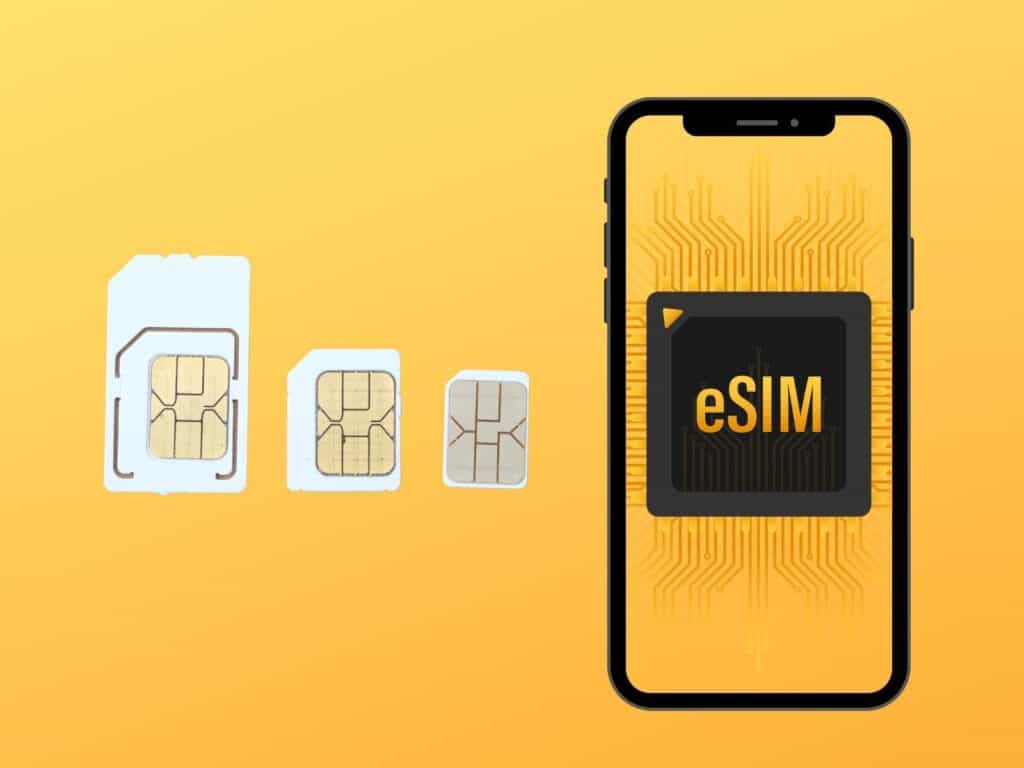
The eSIM (Embedded Subscriber Identity Module) Market is witnessing rapid expansion, fueled by technological advancements, increased adoption of IoT (Internet of Things) devices, and the growing demand for seamless connectivity solutions. With a market value projected to reach USD 16.10 billion by 2030, the eSIM market is expected to grow at a compound annual growth rate (CAGR) of 9.10% from 2024 to 2030.
Market Overview
eSIM technology enables the integration of a subscriber identity module directly into a device, eliminating the need for a physical SIM card. Instead of inserting a physical SIM card, users can activate a cellular plan remotely using over-the-air (OTA) provisioning. This technology is particularly appealing for a wide range of connected devices, including smartphones, wearables, tablets, laptops, automotive systems, and IoT devices.
Key Drivers of Market Growth
1. Increasing IoT Adoption
One of the primary drivers of the eSIM Market is the rapid expansion of IoT (Internet of Things) applications. With millions of connected devices now part of everyday life, from smart home appliances to industrial sensors, the need for seamless, reliable, and secure connectivity is paramount.
Click Here for Your FREE Sample!
eSIM technology is ideal for IoT applications as it enables remote provisioning and management of device subscriptions, making it easier to deploy and scale IoT networks. The ability to switch between different mobile network operators without physical SIM card changes is also a significant advantage for IoT devices, particularly in industries such as agriculture, manufacturing, healthcare, and logistics.
2. Consumer Demand for Seamless Connectivity
Consumers are increasingly seeking uninterrupted connectivity, especially in an era where mobile devices are central to daily life. eSIM technology enables users to switch carriers, activate plans, and manage subscriptions directly from their devices without having to physically change SIM cards. This flexibility is particularly attractive for frequent travelers, who benefit from the ability to change mobile operators across different regions without the need to purchase a new SIM card each time.
3. Global Roaming and Multi-Network Connectivity
eSIM also plays a crucial role in simplifying global roaming services. As businesses and consumers increasingly operate on a global scale, the demand for multi-network connectivity has grown. eSIM technology allows users to activate multiple carrier profiles on a single device, enabling seamless roaming and reducing the hassle of swapping SIM cards while traveling.
4. Advancements in Network Infrastructure
The rollout of 5G networks and advancements in mobile network infrastructure are further driving the eSIM market. 5G Technology, with its high-speed connectivity and low latency, is poised to accelerate the adoption of eSIM in both consumer and IoT applications. eSIM technology enables devices to easily switch between different networks, ensuring seamless connectivity across various network generations, including 4G, 5G, and beyond.
Click Here for Your FREE Sample!
5. Government Regulations and Industry Standards
Government regulations and industry standards are playing a pivotal role in the growth of the eSIM market. Regulatory bodies in many countries are pushing for the adoption of eSIM technology to streamline mobile services and improve security. For example, the European Union has been actively promoting the use of eSIM in the automotive and telecommunications industries, with initiatives aimed at reducing regulatory barriers and encouraging adoption across Europe.
Market Segmentation
The global eSIM market can be segmented into the following categories:
1. By Application
- Consumer Electronics: This includes smartphones, wearables, tablets, and laptops. eSIM is increasingly being adopted in these devices to enable seamless connectivity, enhance security, and support multiple carrier profiles.
- Automotive: The automotive industry is a key adopter of eSIM technology, particularly in connected vehicles and telematics systems. eSIM enables features such as remote vehicle diagnostics, over-the-air (OTA) updates, and enhanced in-car connectivity.
- Industrial IoT: eSIM plays a vital role in industrial IoT applications, where connectivity is crucial for devices such as sensors, meters, and machines. eSIM enables flexible, scalable connectivity for these devices, allowing them to connect to multiple network providers without requiring physical SIM card swaps.
- Healthcare: In the healthcare sector, eSIM technology enables remote patient monitoring, medical device management, and telemedicine applications. The ability to manage connectivity remotely is critical in providing real-time care.
- Others: This includes applications in sectors such as logistics, agriculture, and smart homes.
2. By Technology
- M2M (Machine-to-Machine) Communication: eSIM technology is widely used in M2M applications, where devices communicate autonomously across different networks. This includes applications such as remote monitoring, fleet management, and asset tracking.
- Consumer Devices: This includes smartphones, wearables, laptops, and other personal devices that require secure and seamless connectivity.
- Automotive and Smart Vehicles: Vehicles are increasingly equipped with eSIM technology to enable connected car services, including real-time navigation, entertainment, and vehicle diagnostics.
3. By Region
- North America: North America is one of the largest markets for eSIM technology, driven by strong demand for consumer electronics and the rapid adoption of IoT devices.
- Europe: Europe is expected to witness significant growth in the eSIM market, especially in the automotive sector, with an increasing number of connected vehicles and regulatory support for eSIM adoption.
- Asia-Pacific: The Asia-Pacific region is home to a large number of mobile network operators, device manufacturers, and IoT startups, making it a key region for eSIM adoption.
- Rest of the World: Latin America, the Middle East, and Africa are also expected to see growing adoption of eSIM technology, particularly in mobile consumer electronics and IoT devices.
Challenges in the Market
While the eSIM market shows immense potential, there are challenges that could hinder its widespread adoption:
- Compatibility Issues: Despite the standardization efforts by industry bodies, there are still compatibility issues between different network operators and device manufacturers. Some networks may not fully support eSIM technology, creating friction for consumers and businesses.
- Security Concerns: While eSIM offers enhanced security features, there are concerns about data privacy and security, especially with the increasing number of connected devices. As eSIM is remotely provisioned, there is a need for robust security protocols to protect against hacking and fraud.
- Infrastructure Limitations: In some regions, particularly in emerging markets, the infrastructure to support eSIM technology may be limited. This includes the availability of eSIM-compatible devices, network support, and regulatory frameworks.
- Consumer Awareness: Although eSIM technology is gaining traction, there is still a lack of awareness among consumers about its benefits and capabilities. Education and marketing efforts are required to drive adoption.
Future Outlook
The future of the eSIM market looks promising, with continued advancements in IoT, consumer electronics, and mobile network technologies. As 5G networks continue to expand and the demand for connected devices increases, eSIM technology will become even more integral to enabling seamless connectivity across multiple industries.
Conclusion
The global eSIM market is poised for significant growth in the coming years, driven by increasing demand for seamless connectivity, the rapid expansion of IoT applications, and the continuous advancements in mobile network technologies. As more devices and industries adopt eSIM technology, it will become a cornerstone of the future of connectivity, offering unparalleled flexibility, scalability, and security.
