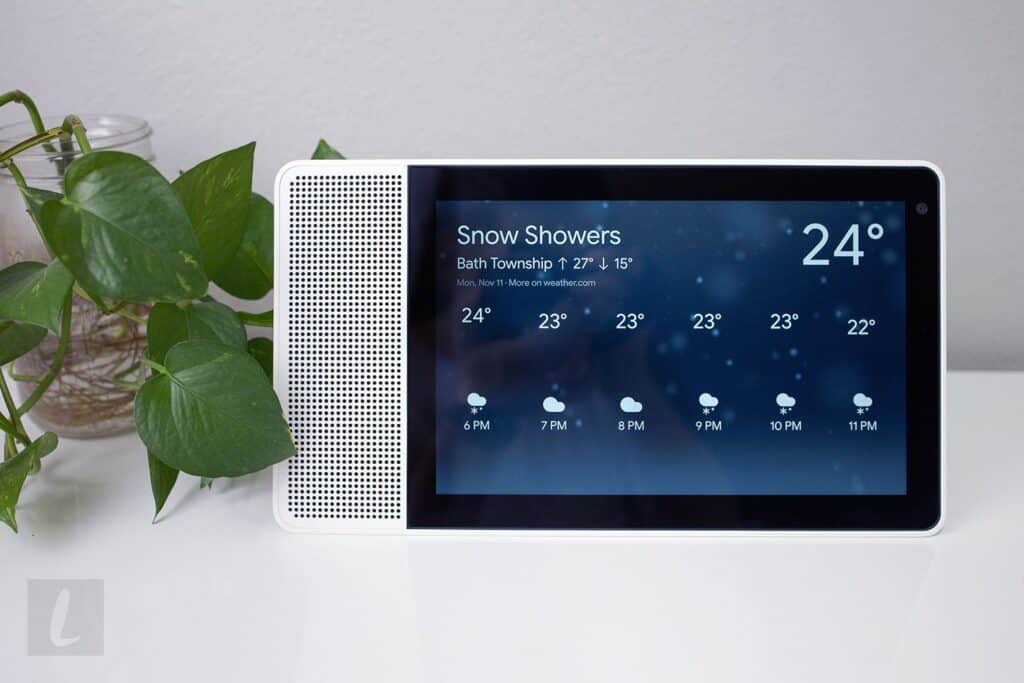
The Europe smart display market is experiencing robust growth is predicted to reach USD 10.33 billion with a CAGR of 11.9% till 2030, driven by advancements in technology and a shift towards more integrated, user-friendly devices that provide consumers with enhanced connectivity and smart home control. Smart displays, which combine high-definition screens with voice assistant technology, are becoming increasingly popular across various sectors including residential, commercial, and healthcare, as European consumers demand innovative solutions for their daily needs.
The growing adoption of smart devices in homes and businesses is pushing the demand for smart displays in Europe, with the market expected to see significant growth in the coming years. These devices are transforming the way users interact with their environments, allowing for voice-controlled home automation, immersive entertainment, video communication, and much more.
Key Drivers of the Europe Smart Display Market
- Integration with Smart Homes and IoT Ecosystems One of the key drivers of the Europe Smart Display Market is the increasing adoption of smart home technologies. Consumers are increasingly investing in connected devices that offer seamless integration with their home automation systems. Smart displays, such as those powered by Amazon Alexa, Google Assistant, and Apple’s Siri, allow users to control lights, thermostats, security systems, and other smart devices with voice commands or touch interactions.
Don’t Miss Out! Get Your FREE Sample!
This integration into the Internet of Things (IoT) ecosystem is a driving force in the growth of the market, enabling greater convenience, energy efficiency, and improved user experiences in European households. As more consumers embrace the idea of interconnected living spaces, smart displays have become essential tools for managing and controlling these systems.
- Rising Demand for Voice Assistants and AI Capabilities The incorporation of artificial intelligence (AI) and voice assistants in smart displays is another major driver in Europe’s expanding market. Devices like Amazon Echo Show and Google Nest Hub use voice-controlled technology to provide users with hands-free access to information, entertainment, and home control. AI-powered voice assistants learn user preferences over time, offering increasingly personalized and efficient interactions.
- Entertainment and Media Consumption In Europe, there is a growing demand for entertainment-focused smart displays that cater to the rising trend of streaming media. Consumers are seeking devices that can deliver high-quality video, immersive sound, and seamless streaming experiences. Smart displays, often equipped with built-in apps for services such as Netflix, YouTube, and Spotify, allow users to stream content directly on the device, creating a more convenient and interactive media experience.
Challenges Facing the Europe Smart Display Market
- Privacy and Security Concerns Data privacy and security remain a significant challenge in the Europe smart display market. As these devices collect personal data, including voice commands, images, and videos, consumers are becoming more cautious about how their information is stored and used. The implementation of stringent data protection regulations, such as the General Data Protection Regulation (GDPR), is pushing manufacturers to adopt robust security measures and transparent data policies.
To mitigate privacy concerns, smart display manufacturers must prioritize consumer trust by providing secure data storage, offering clear opt-in and opt-out privacy settings, and ensuring that their devices comply with local data protection laws.
- Price Sensitivity While the demand for smart displays is rising, price sensitivity among European consumers may hinder the adoption of premium models. High-end smart displays, which offer advanced features such as larger screens, superior sound quality, and additional functionalities, may be out of reach for budget-conscious buyers. However, as technology advances and production costs decrease, the price of smart displays is expected to become more competitive, leading to increased accessibility and wider adoption across different income brackets.
Market Segmentation
- By Product Type:
- Smart Speakers with Displays: Devices like Amazon Echo Show and Google Nest Hub that combine voice-controlled smart speakers with touchscreens for a more interactive experience.
- Standalone Smart Displays: Larger devices with more robust capabilities, such as Lenovo Smart Display and Facebook Portal, that serve as hubs for entertainment, communication, and home control.
- Portable Smart Displays: Compact and portable devices that cater to consumers who value mobility and convenience.
- By Application:
- Residential: The largest market segment, driven by growing smart home adoption and consumer demand for multifunctional, connected devices.
- Commercial: Businesses are adopting smart displays for digital signage, video conferencing, and customer engagement purposes.
- Healthcare: Smart displays are increasingly used in healthcare settings for telemedicine, virtual consultations, and patient monitoring.
Conclusion
The European smart display market is set to experience substantial growth as consumers increasingly demand smarter, more connected, and multifunctional devices. As technology continues to evolve, smart displays will play an integral role in shaping the future of home automation, entertainment, business communication, and beyond. To stay ahead of the competition, manufacturers must prioritize seamless integration, user privacy, and affordability to meet the diverse needs of the European consumer market. With growing interest in smart home technologies, entertainment, and commercial applications, the smart display market in Europe is poised for an exciting and innovative future.
