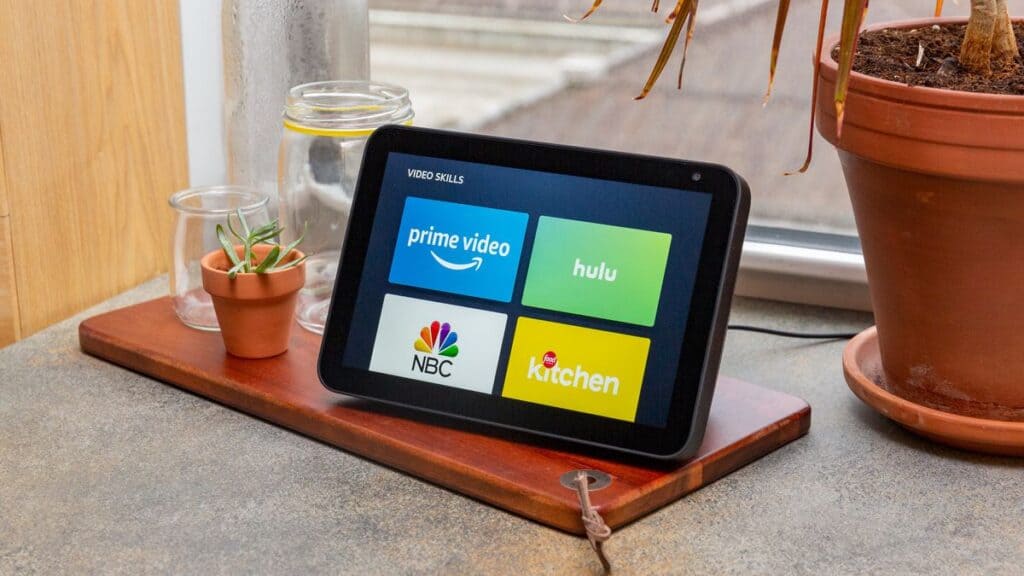
Germany smart display market is entering an exciting phase of growth is predicted to reach USD 1151.8 million with a CAGR of 10.8% till 2030, driven by the demand for multifunctional, user-friendly devices that combine entertainment, connectivity, and control. With the ongoing rise of smart homes, advancements in display technologies, and an ever-increasing focus on digital solutions, Germany is fast becoming a key player in the global smart display market.
Smart displays, which integrate high-quality screens with voice assistants, are revolutionizing the way Germans interact with technology. These devices combine the functionality of smart speakers with the visual appeal of digital displays, offering consumers an all-in-one solution for managing home automation, video calling, streaming, and much more. As the market continues to expand, Germany is witnessing the rise of a connected, digital-first society where smart displays play a crucial role.
Key Drivers of the Germany Smart Display Market
- Rising Smart Home Adoption Germany has seen a sharp rise in smart home adoption in recent years, with consumers increasingly turning to connected devices that offer convenience, efficiency, and improved quality of life. Germany smart display market, often serving as the central hub for managing smart home ecosystems, have become integral to these setups. With a growing number of Germans embracing home automation, the demand for smart displays is expected to continue to rise.
Try it Risk-Free – Download Your FREE Sample!
These devices allow users to control a range of smart home devices—such as thermostats, lighting, and security cameras—using voice commands. The seamless integration between smart displays and other connected devices is contributing to the growth of the market, as more consumers seek a cohesive, intuitive experience.
- Technological Advancements in Display and Voice Technology The continuous advancement in display technologies, such as OLED and LED, has enhanced the visual quality of smart displays, making them more attractive to German consumers. Additionally, the integration of artificial intelligence (AI) has made these devices more intelligent and responsive. Popular voice assistants like Amazon Alexa, Google Assistant, and Apple Siri power smart displays, allowing users to interact with their devices using natural language commands.
- Growing Popularity of Streaming and Multimedia Content The surge in digital content consumption, driven by streaming platforms such as Netflix, Amazon Prime Video, and Disney+, has significantly boosted the demand for smart displays in Germany. Consumers now prefer devices that allow them to easily access and enjoy multimedia content, and smart displays serve as an ideal solution for this purpose.
Challenges in the German Smart Display Market
- Privacy and Security Concerns As with any connected device, privacy and security remain significant concerns for German consumers. Smart displays often feature built-in cameras and microphones, raising questions about how data is collected, stored, and shared. Given Germany’s strong data protection regulations, particularly the GDPR (General Data Protection Regulation), companies must ensure that smart display devices comply with these laws to maintain consumer trust and avoid potential privacy issues.
- High Cost of Premium Models Premium smart display models with advanced features—such as high-resolution displays, larger screens, and enhanced voice recognition—can still come with a hefty price tag. While the prices of basic models have become more affordable, premium devices remain out of reach for some consumers, limiting adoption. However, as technology continues to evolve and competition increases, it is expected that prices will become more competitive, allowing for greater market penetration.
Market Segmentation
- By Product Type:
- Smart Speakers with Displays: Devices like Amazon Echo Show and Google Nest Hub combine the functionality of voice assistants with high-definition touchscreens, offering seamless control of smart home devices, media streaming, and communication.
- Standalone Smart Displays: These displays, such as the Lenovo Smart Display, provide larger screens with robust features for video calls, multimedia streaming, and smart home integration.
- Portable Smart Displays: Smaller and more mobile than traditional models, portable smart displays offer basic features for users who need flexibility and convenience.
- By Application:
- Residential: The primary demand for smart displays in Germany comes from residential consumers who use these devices for entertainment, home automation, and communication.
- Commercial: The commercial sector, including retail, hospitality, and corporate environments, is increasingly adopting smart displays for digital signage, interactive kiosks, and video conferencing applications.
- Healthcare: Smart displays are also being used in healthcare settings for telemedicine consultations, patient monitoring, and educational purposes.
Conclusion
The Germany smart display market is poised for continued growth, driven by technological innovation, the increasing adoption of smart home solutions, and the rising demand for multi-functional devices. As consumers in Germany increasingly embrace the benefits of connected technology, smart displays will play a critical role in shaping the future of digital interaction.
With advancements in display technology, AI integration, and a growing range of applications in both residential and commercial sectors, smart displays are set to become a ubiquitous part of daily life in Germany. As the market evolves, we can expect even more sophisticated and user-friendly devices that further enhance the convenience, entertainment, and productivity of German consumers.
