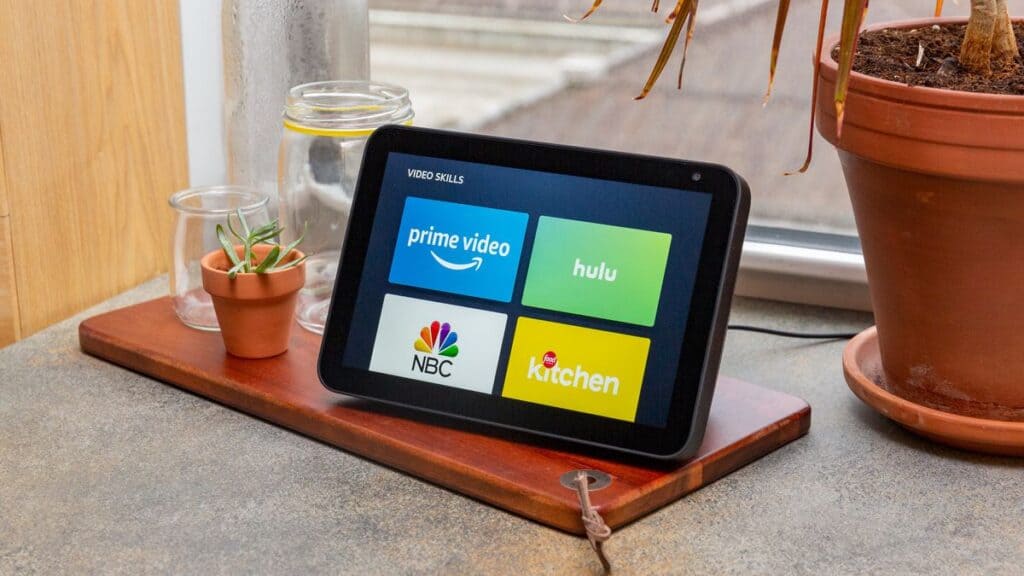
The smart display market in Russia is witnessing significant growth is predicted to reach USD 848.08 million with a CAGR of 8.0% till 2030, fueled by the country’s increasing adoption of connected technologies and demand for seamless integration of multimedia, smart home devices, and voice-controlled features. As Russian consumers embrace digital transformation, smart displays have become a cornerstone of modern living, offering users greater convenience, connectivity, and entertainment options.
Smart displays combine the features of traditional screens with the power of touch interaction, integrated voice assistants, and the ability to manage smart home devices. With the rise of smart homes, multimedia consumption, and virtual communication, smart displays are quickly becoming indispensable in both residential and commercial settings.
Key Drivers of the Russia Smart Display Market
- Expansion of Smart Home Ecosystems As Russia witnesses growing interest in home automation and smart devices, the demand for smart displays has surged. Consumers are increasingly seeking devices that allow them to control and monitor various aspects of their homes, such as lighting, security systems, and temperature, from a single interface. Smart displays, which can integrate with other smart home gadgets, offer a centralized hub for managing all connected devices, improving efficiency and convenience for users.
- Voice Assistants and AI Integration The integration of voice assistants such as Amazon Alexa, Google Assistant, and Yandex’s Alice (a popular Russian voice assistant) is a key factor driving the growth of the Russia Smart Display Market. Voice-controlled features allow users to interact with their devices hands-free, making tasks like adjusting home settings, checking the weather, and controlling media playback more convenient. The increasing availability of AI-enhanced smart displays that learn user preferences and automate tasks is further fueling the market’s expansion.
Start with a FREE Sample – Download Now!
- Rising Multimedia Consumption As the demand for streaming services like Netflix, YouTube, and local Russian platforms such as Okko and Ivi grows, smart displays are becoming a popular choice for content consumption. These devices offer an enhanced viewing experience with high-definition screens, integrated apps, and better connectivity to various entertainment platforms. The ability to stream movies, TV shows, and music directly from smart displays has led to higher adoption rates, especially among consumers looking for an all-in-one solution for entertainment and media.
Challenges Facing the Russia Smart Display Market
- Data Privacy and Security Concerns With the growing popularity of smart displays, concerns regarding data privacy and security are becoming more prominent in Russia. Devices with microphones and cameras, capable of recording and transmitting information, raise alarms about unauthorized data collection and surveillance. Russian consumers are increasingly aware of the risks related to personal data breaches and are looking for devices that guarantee secure data storage and privacy protection.
To address these concerns, manufacturers must ensure that their smart displays adhere to local data protection regulations and implement strong privacy features, such as local data storage options and transparent user consent processes.
- Price Sensitivity While the Russian smart display market is expanding, the high cost of premium models can be a barrier to widespread adoption. High-end smart displays, particularly those with large screens, advanced features, and better connectivity, tend to be expensive, limiting their availability to middle- and low-income consumers. However, with technological advancements and increasing competition among manufacturers, it is expected that prices will become more affordable, allowing for broader market penetration in the coming years.
Click to Uncover the Full News
Market Segmentation
- By Product Type:
- Smart Speakers with Displays: Popular devices like Amazon Echo Show, Google Nest Hub, and Yandex Station are leading the market. These devices combine smart speaker functionalities with a display, providing users with a voice-controlled interface for managing various tasks and controlling other smart devices.
- Standalone Smart Displays: Larger models designed for enhanced multimedia experiences, such as the Lenovo Smart Display and Facebook Portal, cater to consumers who seek more advanced features for video calling, media streaming, and smart home management.
- Portable Smart Displays: Compact devices, often with smaller screens, offer more flexibility and portability while still providing core smart display functions, making them ideal for on-the-go use.
- By Application:
- Residential: The residential market represents the largest segment, with consumers using smart displays for home automation, entertainment, and communication.
- Commercial: Businesses are increasingly adopting smart displays for video conferencing, customer engagement, digital signage, and team collaboration in workspaces.
- Healthcare: Smart displays are being used in healthcare for telemedicine, patient monitoring, and administrative purposes, offering a solution for remote consultations and virtual medical care.
Future Outlook
The Russia smart display market is expected to continue its upward trajectory, driven by the increasing adoption of smart home technologies, the rising popularity of voice assistants, and the growing demand for integrated multimedia experiences. As consumer preferences evolve toward more multifunctional, user-friendly devices, smart displays will become even more integrated into daily life.
With ongoing innovations in AI, enhanced voice recognition, and better integration with other smart devices, the Russia smart display market holds great potential for further growth in the coming years.
