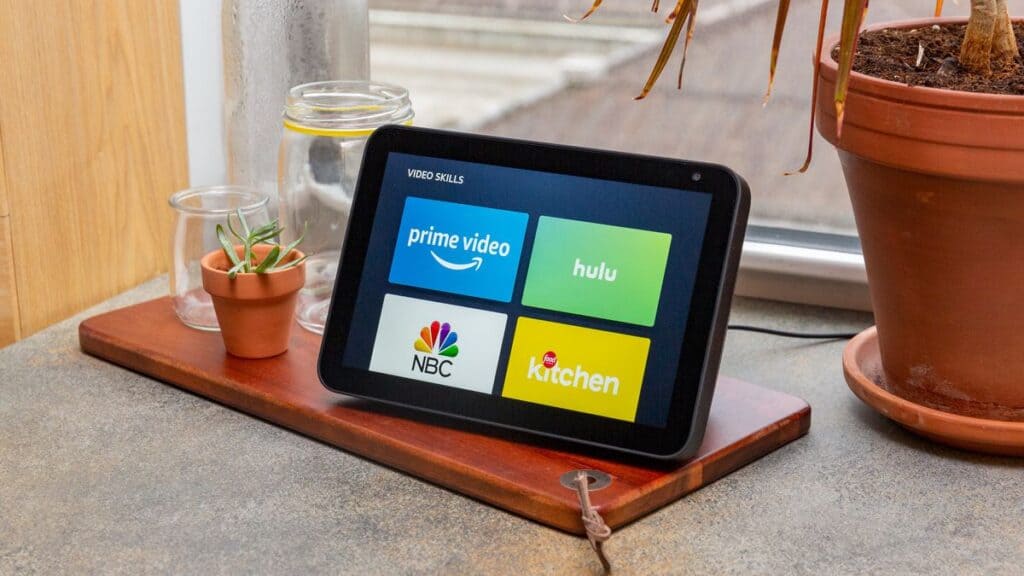
The Africa smart display market is witnessing significant growth is predicted to reach USD 1167.1 million with a CAGR of 22.6% till 2030, driven by the increasing demand for advanced consumer electronics and technological innovations in sectors such as home automation, retail, and entertainment. Smart displays, which combine interactive touchscreens with internet connectivity and integrated AI features, are transforming the way consumers engage with technology. As smart homes and digital communication solutions become more prevalent, the adoption of smart display devices across the continent is expected to increase rapidly.
Key Drivers of Growth in the Africa Smart Display Market
- Rising Demand for Smart Homes The increasing popularity of smart homes in Africa is one of the primary factors propelling the growth of the Africa Smart Display Market. With rising disposable incomes, greater access to advanced technology, and a growing interest in home automation, consumers are embracing smart home solutions that offer convenience, energy efficiency, and enhanced security. Smart displays serve as central hubs for controlling various connected devices such as lights, thermostats, security cameras, and smart speakers, creating an integrated home environment.
Start with a FREE Sample – Download Now!
- Increased Adoption of Smart Devices and IoT Africa is experiencing a surge in the adoption of smart devices, from smartphones and smart TVs to wearable gadgets and smart speakers. This rise in consumer interest in connected devices is accelerating the demand for smart displays. As more individuals and businesses seek devices that offer seamless connectivity, the role of smart displays in bridging the gap between various IoT-enabled devices becomes more critical.
- Growth of Digital Signage in Retail and Commercial Sectors The retail and commercial sectors in Africa are increasingly adopting digital signage solutions to enhance customer experiences and improve operational efficiency. Smart displays are being used in retail stores, malls, restaurants, airports, and public spaces for advertising, promotions, and customer interaction.
Digital signage provides businesses with the ability to showcase dynamic, real-time content, which can be easily updated remotely. In addition, smart displays enable interactive experiences, allowing customers to engage with the content and even make purchases directly from the display. The integration of AI and machine learning in smart displays is further enhancing the potential for personalized and targeted marketing, making them a valuable asset for businesses.
Challenges in the Africa Smart Display Market
- High Initial Investment Costs One of the key challenges for the growth of the smart display market in Africa is the high initial cost of advanced devices. While the affordability of consumer electronics is improving, many smart display devices remain expensive for the average consumer in certain regions. As a result, the high cost of purchasing and installing these devices can be a barrier to widespread adoption, especially in rural and underserved areas.
To address this, manufacturers are focusing on offering more budget-friendly alternatives with essential features, making smart displays accessible to a wider range of consumers.
- Limited Infrastructure and Connectivity Issues In certain African regions, limited infrastructure and unreliable internet connectivity may hinder the adoption of smart displays. Many smart displays rely on stable internet connections for optimal functionality, including content streaming, voice commands, and remote device control. In areas with poor network coverage, the effectiveness of smart displays could be diminished.
However, with increasing investments in 4G/5G networks and improved internet access, the infrastructure challenge is gradually being addressed, allowing for broader access to smart displays in Africa.
- Lack of Awareness and Education While the adoption of smart displays is growing, there is still a lack of awareness and education around the benefits and potential applications of these devices in certain regions. Many consumers are unfamiliar with the concept of smart displays and may not fully understand their capabilities, which could limit market growth.
To overcome this barrier, companies and industry stakeholders are focusing on consumer education campaigns and showcasing the practical benefits of smart displays through demonstrations, in-store experiences, and digital content.
Market Segmentation
- By Technology:
- LCD Display
- OLED Display
- MicroLED Display
- E-ink Display
- By Application:
- Residential
- Retail and Commercial
- Healthcare
- Education
- By End-User Industry:
- Consumer Electronics
- Retail
- Education
- Healthcare
- Automotive
Conclusion
The Africa smart display market is poised for rapid expansion, driven by the increasing demand for innovative technology solutions, smarter consumer electronics, and enhanced digital experiences across industries. As the region experiences technological advancements and greater connectivity, the adoption of smart displays is expected to grow, revolutionizing sectors such as retail, healthcare, education, and home automation.
While challenges such as high costs and limited infrastructure persist, the market is expected to overcome these obstacles through innovation, greater affordability, and improved accessibility. As consumers and businesses continue to embrace the benefits of smart displays, Africa’s position as a growing technology hub will be further cemented in the global market.
