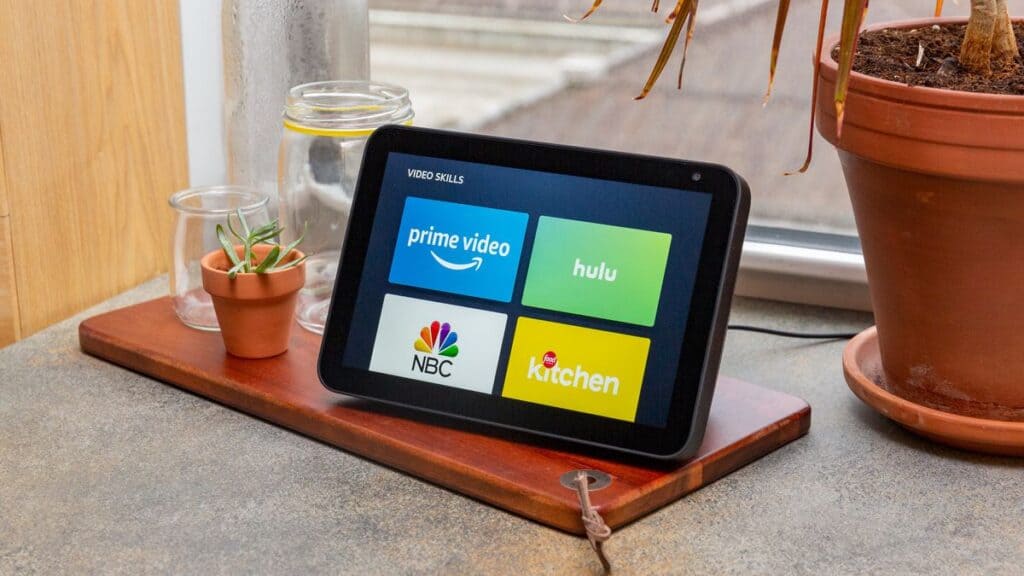
The Indonesia smart display market is witnessing rapid growth is predicted to reach USD 1135.4 million with a CAGR of 21.3% till 2030, driven by increased demand for interactive, user-friendly technologies in both consumer electronics and business applications. As consumer preferences evolve and technological advancements continue, smart displays are becoming an integral part of everyday life in Indonesia. These devices, which combine interactive touchscreens, high-definition visuals, and smart functionalities, are changing the way people interact with technology, communicate, and access information.
Key Drivers of Growth in the Indonesia Smart Display Market
Increasing Smart Home Adoption The demand for smart home technologies in Indonesia is expanding, and smart displays are playing a critical role in this transformation. As more consumers integrate connected devices like smart lights, thermostats, security cameras, and voice assistants into their homes, Indonesia Smart Display Market are becoming central hubs for managing and controlling these devices. The convenience of managing multiple connected devices through a single interface is fueling the widespread adoption of smart displays.
The rise of smart homes in major Indonesian cities like Jakarta, Surabaya, and Bandung is driving the growth of smart displays. With increasing disposable income and growing awareness about home automation technologies, the demand for smart displays in homes is expected to grow rapidly over the next few years.
Growth of the Consumer Electronics Market Indonesia’s consumer electronics market is expanding as more consumers opt for advanced technologies. Smart displays, which offer a range of features from interactive touch interfaces to voice control and streaming, are becoming increasingly popular in smartphones, tablets, smart TVs, and digital signage.
The rise of mobile devices with larger, high-definition displays, combined with the adoption of video streaming services, is further accelerating the demand for smart displays in Indonesia. Consumers are seeking devices that offer seamless integration with their entertainment systems and allow them to enjoy content in richer, more interactive ways.
Expansion of Digital Signage The digital signage market in Indonesia is growing rapidly, with smart displays becoming essential in various industries such as retail, hospitality, transportation, and public services. Businesses are increasingly using digital signage to advertise products, provide information, and enhance customer engagement. Smart displays are being used in malls, airports, train stations, and restaurants to deliver dynamic content and personalized experiences to customers.
As Indonesian retailers and businesses embrace digital transformation, smart displays are becoming a valuable tool for engaging customers, boosting sales, and promoting brand visibility. Digital signage solutions powered by smart displays are expected to become more widespread, particularly in high-footfall areas.
Challenges in the Indonesia Smart Display Market
Affordability Concerns Although the prices of smart displays have become more competitive, the initial investment required for advanced smart display products may still be a barrier for some consumers. While high-end models offer premium features, such as advanced touch capabilities, ultra-high-definition displays, and AI-powered functions, the cost may limit their accessibility in lower-income segments of the population.
However, as local manufacturers and global brands continue to develop more affordable models with essential features, smart displays are expected to become more accessible to a wider range of consumers, driving market growth.
Limited Internet Infrastructure in Rural Areas Indonesia, with its large rural population, faces challenges in internet infrastructure. The full potential of smart displays can only be realized with stable internet connectivity for streaming, cloud-based services, and real-time updates. While urban areas have better access to high-speed internet, rural regions may experience slow or unreliable internet connections, limiting the functionality of smart displays.
However, the Indonesian government’s ongoing efforts to expand broadband infrastructure and increase internet penetration across the country are expected to address this challenge over time, enabling more consumers in rural areas to benefit from smart displays.
Lack of Consumer Awareness Despite growing interest in smart home technologies and digital signage, many Indonesian consumers are still unaware of the full capabilities of smart displays. The concept of integrated smart home systems and interactive displays is relatively new to a significant portion of the population. Education and awareness campaigns will play a critical role in helping consumers understand the value and functionality of smart displays.
Manufacturers and retailers are focusing on consumer education through digital marketing, product demonstrations, and in-store experiences. As awareness increases, more consumers will be inclined to adopt smart displays for their homes and businesses.
Market Segmentation
- By Technology:
- LCD Display
- OLED Display
- LED Display
- E-ink Display
- By Application:
- Residential
- Retail and Commercial
- Healthcare
- Education
- By End-User Industry:
- Consumer Electronics
- Retail
- Healthcare
- Education
- Advertising
Conclusion
The smart display market in Indonesia is on the rise, driven by factors such as increasing demand for smart home devices, technological advancements, and the growing popularity of digital signage. With the continuous development of display technologies and the expansion of internet connectivity, smart displays are becoming more accessible to Indonesian consumers and businesses.
As awareness and infrastructure continue to improve, Indonesia’s smart display market is poised for strong growth, transforming the way people interact with technology in their daily lives. With applications spanning consumer electronics, education, healthcare, and business, smart displays are set to play a key role in shaping Indonesia’s digital future.
