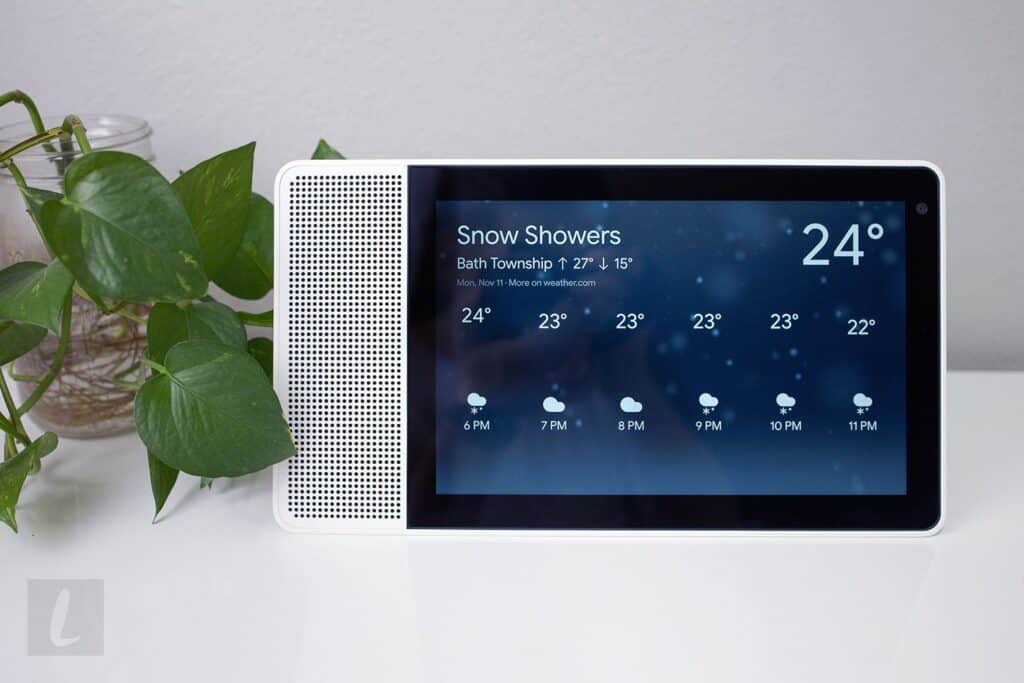
The Japan smart display market is undergoing significant growth is predicted to reach USD 2649.4 million with a CAGR of 14.6% till 2030, as advanced display technologies and the increasing adoption of connected devices redefine consumer experiences across multiple sectors. With a robust technology landscape and a tech-savvy population, Japan is emerging as a leading player in the global smart display market. These next-generation displays, equipped with cutting-edge technologies such as touchscreens, voice assistants, and artificial intelligence (AI), are revolutionizing the way consumers interact with their devices, whether at home, work, or in public spaces.
Key Drivers of Growth in the Japan Smart Display Market
Rising Demand for Smart Homes Japan has long been at the forefront of adopting smart home technologies, and smart displays are becoming a central hub for managing these systems. With consumers increasingly seeking integrated solutions to control home appliances, lighting, security, and entertainment, Japan Smart Display Market are being seamlessly incorporated into daily life. The growing popularity of voice assistants like Amazon Alexa, Google Assistant, and Japan’s own AI platforms is accelerating this trend, making it easier for users to manage their environments with simple voice commands and touchscreen interfaces.
Unlock a FREE Sample – Try Before You Buy!
In Japanese cities such as Tokyo and Osaka, where tech-savvy consumers are early adopters of innovative solutions, smart displays are becoming indispensable for smart homes, enhancing convenience, comfort, and energy efficiency.
Technological Advancements in Display Technology Japan has always been a leader in display technology, and innovations such as OLED, microLED, and flexible displays are propelling the growth of smart displays. These technologies offer superior image quality, high resolution, and energy efficiency, providing users with a premium visual experience. As consumer demand for high-quality entertainment, interactive learning, and enhanced communication grows, advanced display technologies continue to drive the evolution of smart displays in Japan.
In particular, OLED technology is gaining traction in smart displays due to its vibrant color reproduction and thin profile, making it ideal for both residential and commercial applications. As these display technologies become more affordable and widely available, Japanese consumers are increasingly choosing smart displays for their homes, businesses, and public spaces.
Expansion of Digital Signage The use of digital signage in retail, hospitality, transportation, and public spaces is growing rapidly in Japan. Businesses are increasingly adopting smart displays as part of their digital marketing strategies, using them to advertise products, provide information, and engage customers. With a highly competitive retail environment, Japanese companies are turning to smart displays to enhance the customer experience, increase brand visibility, and provide dynamic content in real time.
The transportation industry in Japan is also benefiting from smart displays, with train stations, airports, and bus terminals using these devices for real-time information and wayfinding. The increased use of smart displays in commercial and public sectors is a testament to Japan’s commitment to embracing innovative technology.
Challenges in the Japan Smart Display Market
High Cost of Advanced Models While the demand for smart displays continues to grow, the high cost of advanced models, particularly those with OLED and AI integration, may limit their accessibility to some consumers. The premium features of high-end smart displays, such as larger screens, superior image quality, and advanced voice recognition, come with a price tag that may be prohibitive for budget-conscious consumers.
However, as production scales up and competition increases, the prices of smart displays are expected to become more competitive, making them more affordable for a wider range of consumers.
Need for Seamless Integration with Existing Systems The success of smart displays depends on their ability to integrate seamlessly with existing ecosystems, such as smart home devices, entertainment systems, and cloud services. In Japan, consumers expect seamless integration across multiple devices and platforms, and any issues with compatibility can hinder the widespread adoption of smart displays.
To address this challenge, manufacturers are focusing on ensuring compatibility with a wide range of smart home ecosystems and platforms, such as Google Home, Amazon Alexa, and Apple HomeKit. As interoperability improves, the adoption of smart displays is expected to increase.
Market Segmentation
- By Technology:
- LCD Display
- OLED Display
- LED Display
- E-ink Display
- By Application:
- Residential
- Retail and Commercial
- Healthcare
- Education
- Public Sector
- By End-User Industry:
- Consumer Electronics
- Retail and Commercial
- Education and Healthcare
- Advertising and Marketing
Conclusion
The smart display market in Japan is poised for continued growth, driven by advances in display technology, the increasing adoption of smart homes, and the expanding use of digital signage. As consumers seek more interactive and personalized experiences, smart displays are becoming an essential tool in daily life, revolutionizing the way people engage with technology.
Japan’s strong technological infrastructure, coupled with its innovative approach to consumer electronics and digital marketing, positions the country as a leader in the global smart display market. As smart displays become more affordable and accessible, their applications will continue to expand across residential, commercial, educational, and public sectors, shaping Japan’s digital future.
