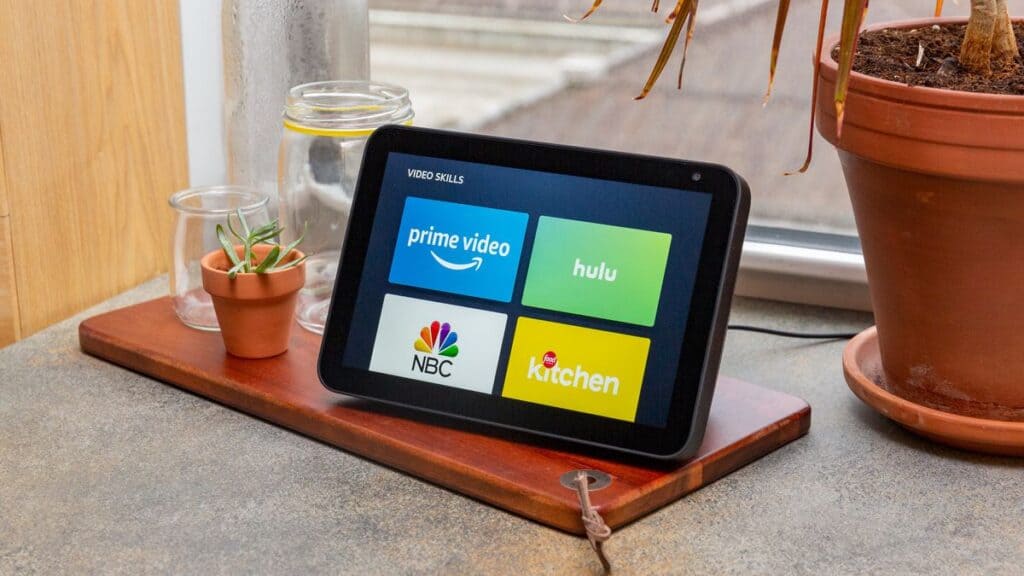
The smart display market in South Korea is experiencing rapid growth is predicted to reach USD 3824.6 million with a CAGR of 18.7% till 2030, driven by a robust technology ecosystem, high consumer demand for innovative products, and the country’s commitment to embracing the latest digital advancements. As one of the leading technology hubs in the world, South Korea is positioned to play a crucial role in shaping the future of smart display technologies. The market is expanding across various industries, including consumer electronics, retail, education, and smart homes, as consumers increasingly embrace intelligent, interactive solutions.
Key Drivers of Growth in the South Korea Smart Display Market
Technological Advancements and Innovation South Korea’s technological prowess, particularly in the field of display technologies, is a primary driver behind the country’s burgeoning smart display market. Companies like Samsung and LG, two of the world’s largest manufacturers of display panels, are continuously pushing the boundaries of innovation with their advanced OLED and MicroLED display technologies. These innovations are central to the development of smart displays, offering better image quality, energy efficiency, and more immersive user experiences.
The rise of 8K displays and advanced image processing technologies are further enhancing the visual experience of smart displays, making them more desirable for consumers and businesses. As display technologies continue to improve and become more affordable, smart displays are poised to become ubiquitous in homes and businesses across South Korea.
Smart Homes and IoT Integration The growing trend of smart homes is playing a significant role in the expansion of the South Korea Smart Display Market. With an increasing number of households adopting Internet of Things (IoT) devices, smart displays are becoming a central hub for controlling and managing various connected devices. These include voice assistants, lighting systems, security cameras, and even home appliances.
Unlock a FREE Sample – Try Before You Buy!
South Korea’s advanced IoT infrastructure allows for seamless integration between smart displays and other devices, enhancing convenience for consumers. Smart displays serve as interactive interfaces for users to control their smart home environments with ease, making them an essential part of the connected home ecosystem. This trend is expected to continue as more consumers seek ways to automate their homes and increase their quality of life.
Retail and Commercial Applications In South Korea, the retail and commercial sectors are increasingly adopting smart displays for digital signage and customer engagement. Retailers are using smart displays to provide dynamic content, such as product advertisements, promotions, and interactive shopping experiences. This allows businesses to connect with customers in a more engaging and personalized manner, which is essential in South Korea’s highly competitive retail environment.
Smart displays are also becoming commonplace in public spaces, transportation hubs, and corporate environments, where they are used to display real-time information, provide wayfinding services, and enhance communication. In these commercial settings, smart displays offer increased efficiency and improved customer experiences, further driving demand across industries.
Challenges in the South Korea Smart Display Market
- High Initial Costs While the demand for smart displays is growing rapidly, the high initial cost of advanced display technologies, such as OLED and MicroLED, remains a challenge for many consumers. These cutting-edge technologies offer superior visual quality and performance but come at a premium price. As the market matures and production scales up, costs are expected to decrease, making smart displays more accessible to a wider audience.
- Fragmented Ecosystems and Compatibility Issues As more smart devices enter the market, compatibility and ecosystem integration can become a challenge. Many smart displays are designed to work within specific ecosystems such as Google Home, Amazon Alexa, or Samsung SmartThings. Ensuring seamless compatibility across a wide range of smart devices and platforms will be essential for the continued growth and adoption of smart displays in South Korea.
Market Segmentation
- By Technology:
- OLED Display
- LCD Display
- MicroLED Display
- E-Ink Display
- By Application:
- Residential
- Retail and Commercial
- Education
- Healthcare
- Transportation and Public Spaces
- By End-User Industry:
- Consumer Electronics
- Retail and Advertising
- Education and Corporate
- Healthcare
- Transportation and Hospitality
Outlook for the South Korea Smart Display Market
The South Korean smart display market is poised for continued growth as the country remains at the forefront of technological innovation. As display technologies evolve, smart displays will become increasingly integrated into the daily lives of consumers and businesses alike. With a growing emphasis on smart homes, IoT adoption, and the rise of digital signage, the market is expected to continue expanding across residential, commercial, and educational sectors.
South Korea’s tech-driven culture and commitment to cutting-edge technologies make it a prime location for the continued development and adoption of smart displays. As consumers demand more personalized, efficient, and connected devices, smart displays will continue to play a vital role in shaping the future of digital technology in South Korea.
