The France intralogistics market is set to experience strong growth is predicted to reach USD 7.45 billion with a CAGR of 10.6% till 2030, as businesses increasingly turn to automation, robotics, and artificial intelligence (AI) to enhance supply chain efficiency. Driven by the growth of e-commerce, rising demand for faster deliveries, and the need to streamline warehouse operations, France is emerging as a key player in the European intralogistics landscape. As companies across industries seek to optimize their internal logistics processes, the adoption of advanced intralogistics technologies is becoming essential to remain competitive and meet evolving customer demands.
Market Overview
Intralogistics refers to the management of internal logistics processes, such as the transportation, storage, and handling of goods within a company. This includes everything from warehouse operations and inventory management to transportation and order fulfillment. As the pressure to increase efficiency and reduce costs intensifies, businesses in France are increasingly adopting automated, digital, and data-driven solutions to improve their logistics operations.
The France intralogistics market is being driven by several key factors, including the surge in e-commerce, technological advancements, and a growing focus on sustainability. With major industries such as automotive, retail, food and beverage, and pharmaceuticals relying on efficient supply chains, the demand for advanced intralogistics solutions is on the rise. As the market evolves, automation, AI, and robotics are playing an increasingly pivotal role in transforming traditional warehouse and logistics operations into more efficient, agile systems.
Unlock a FREE Sample – Try Before You Buy!
Key Drivers of Market Growth
- E-commerce Growth and Consumer Expectations
The expansion of e-commerce in France has created a pressing need for faster and more accurate logistics solutions. As consumers demand quicker deliveries and seamless shopping experiences, businesses are investing in intralogistics technologies to meet these demands. Automated sorting systems, robotic picking solutions, and AI-powered warehouse management systems (WMS) are being adopted to improve order fulfillment speed and accuracy. These technologies are helping e-commerce retailers handle higher order volumes while maintaining operational efficiency and reducing the risk of errors. - Automation and Robotics Revolutionize Warehousing
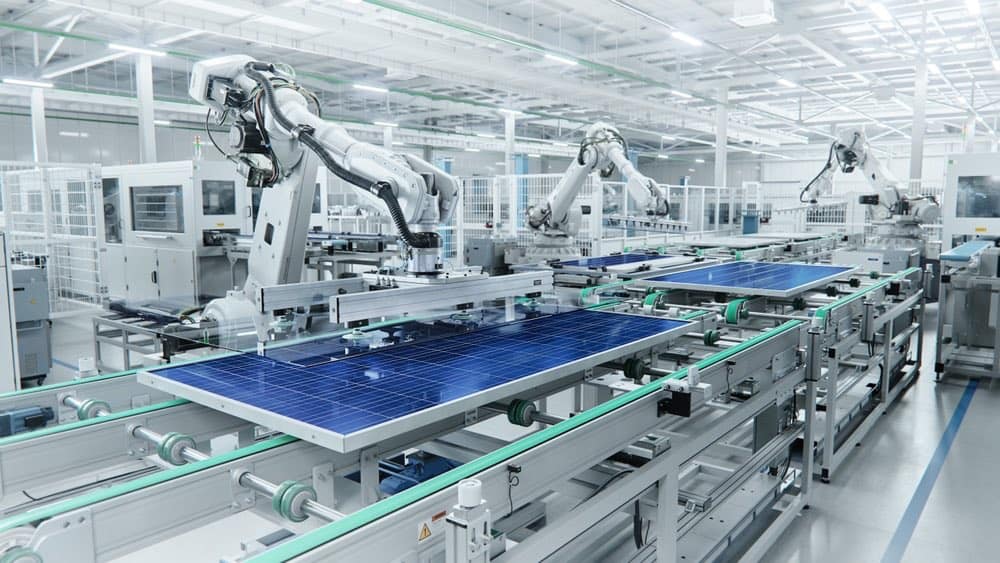
Automation is transforming the way goods are handled within French warehouses and distribution centers. Automated guided vehicles (AGVs), robotic arms, and automated storage and retrieval systems (ASRS) are gaining traction as companies look to streamline their operations. Automation enables businesses to improve throughput, reduce labor costs, and enhance operational safety. By automating repetitive and physically demanding tasks, businesses in France can focus on more strategic activities while improving overall efficiency and reducing human error. - Artificial Intelligence and Data-Driven Decisions
Artificial intelligence (AI) is playing an increasingly important role in the intralogistics market in France. AI-driven technologies, including predictive analytics, machine learning, and real-time tracking systems, are helping companies optimize inventory management, forecast demand, and enhance overall supply chain visibility. AI allows for smarter decision-making, ensuring that resources are allocated more effectively, and products are delivered in a timely and efficient manner. With the rise of the Internet of Things (IoT) and connected devices, AI is enabling more agile, real-time decision-making within supply chains.
Challenges and Opportunities
While the France intralogistics market holds strong growth potential, there are several challenges businesses must navigate. High initial costs for automation and robotics can be a barrier to entry for smaller enterprises. Additionally, the complexity of integrating advanced technologies into existing operations and training the workforce to operate these systems are significant hurdles that need to be overcome.
However, these challenges also present opportunities for innovation. Companies that provide cost-effective, scalable solutions designed for small and medium-sized enterprises (SMEs) will be well-positioned to capture market share. Moreover, advancements in software and cloud-based technologies are making it easier for businesses to integrate and optimize intralogistics systems without significant upfront investment. The growing demand for customizable, modular solutions also presents an opportunity for companies to create tailored offerings that meet the unique needs of different industries.
Regional Insights
The France intralogistics market is driven by key logistics hubs in cities such as Paris, Lyon, Toulouse, and Marseille, which are home to major distribution centers and e-commerce operations. The country’s central location in Europe, along with its robust infrastructure, including transportation networks, ports, and airports, positions it as a strategic logistics hub. Furthermore, the growth of the French e-commerce sector has led to increased investments in warehouse automation and last-mile delivery solutions, particularly in the Paris metropolitan area and other high-density urban regions.
Future Outlook
The future of the France intralogistics market looks promising as the country continues to embrace automation, AI, and sustainable logistics solutions. In 2025 and beyond, businesses will increasingly rely on these advanced technologies to streamline operations, reduce costs, and improve customer satisfaction. The continued growth of e-commerce, combined with advancements in robotics and AI, will further fuel demand for intralogistics solutions that offer flexibility, speed, and efficiency.
As the market continues to evolve, companies that prioritize sustainability, adopt automation, and harness the power of data will be better positioned to remain competitive in the fast-changing logistics landscape. With France’s strong commitment to technological innovation and sustainability, the intralogistics market is set for continued expansion in the coming years.
