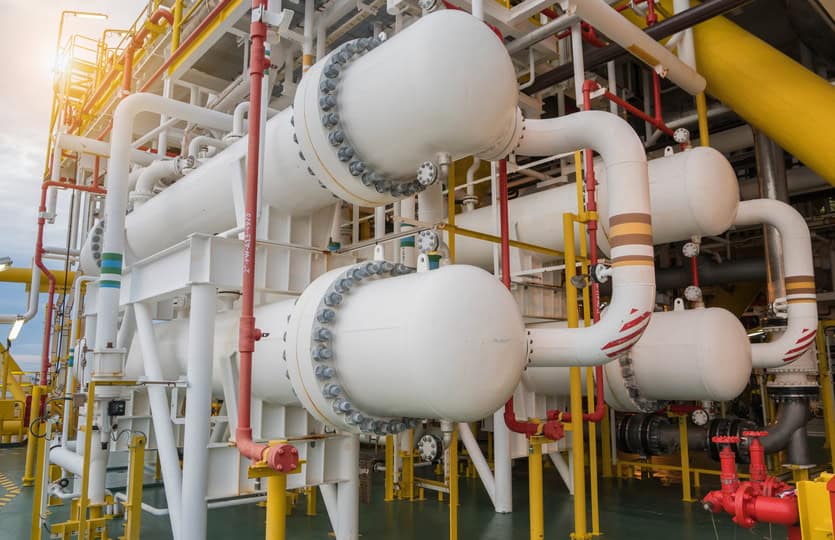
The China heat exchangers market is poised for significant growth over the next decade, driven by industrial expansion, increasing demand for energy-efficient solutions, and stricter environmental regulations.
Heat exchangers, crucial for transferring heat between fluids in a wide range of industrial processes, are expected to play a central role in energy conservation and sustainability efforts across various sectors. The China Heat Exchangers Market is predicted to reach USD 6872.1 million with a CAGR of 6.5% by 2030.
Start with a FREE Sample – Download Now!
Market Drivers
Several key factors are contributing to the growth of the heat exchangers market in China:
- Industrial Growth and Expansion
China’s industrial sector continues to grow at a steady pace, driven by urbanization, increased manufacturing capacity, and the expansion of infrastructure projects. Industries such as chemical processing, petrochemicals, power generation, and HVAC (heating, ventilation, and air conditioning) systems are major consumers of heat exchangers. The demand for energy-efficient heat transfer solutions in these industries is expected to drive the adoption of advanced heat exchangers, which are critical to improving operational efficiency and reducing energy consumption.
Click to Uncover the Full News
- Energy Efficiency and Sustainability Initiatives
As part of China’s commitment to reducing carbon emissions and improving energy efficiency, the government has introduced several measures to promote sustainable technologies. Heat exchangers are integral to these efforts, as they enable the recovery and reuse of heat, reducing the need for additional energy sources. This is especially important in sectors like power generation, chemical processing, and manufacturing, where large amounts of heat are generated. The push for energy-efficient systems, combined with government incentives and policies, is driving the growth of the heat exchangers market. - Growing Focus on Environmental Regulations
Stricter environmental regulations, particularly concerning industrial emissions and waste heat management, are further fueling demand for heat exchangers. In 2020, China unveiled the “Made in China 2025” initiative, which emphasizes the need for advanced energy-efficient technologies. These regulations require industries to adopt sustainable solutions, including heat exchangers, to meet emission standards and reduce their environmental footprint. Heat exchangers allow for better heat management, which is crucial for reducing pollution and improving the overall efficiency of industrial operations. - Technological Advancements in Heat Exchanger Designs
Ongoing advancements in heat exchanger technology are contributing to market growth. Innovations such as compact heat exchangers, plate heat exchangers, and enhanced finned tube designs are becoming more popular in industrial applications. These improvements enable higher heat transfer efficiency, smaller footprints, and more flexibility in design, making heat exchangers more versatile and cost-effective for various applications. The rise of digital technologies like predictive maintenance and IoT-enabled heat exchangers is also transforming the market, allowing for more efficient and reliable operations. - Expansion of the Renewable Energy Sector
China is increasingly investing in renewable energy sources such as wind, solar, and geothermal power. These energy sources often require advanced heat exchangers to optimize thermal management and energy transfer processes. For instance, in geothermal power plants, heat exchangers are used to transfer heat from underground reservoirs to the surface. The growing renewable energy sector is expected to drive demand for specialized heat exchangers that can efficiently manage the unique requirements of these energy sources.
Market Segmentation and Outlook
The China heat exchangers market is segmented by type, end-use industry, and region:
- Type: The market is primarily segmented into shell and tube heat exchangers, plate heat exchangers, air-cooled heat exchangers, and others. Among these, shell and tube heat exchangers are expected to dominate the market due to their widespread use in chemical, petrochemical, and power generation industries. However, plate heat exchangers are gaining traction due to their compact design, higher efficiency, and suitability for applications requiring frequent maintenance.
- End-Use Industry: Key industries using heat exchangers in China include power generation, chemicals, petrochemicals, HVAC, food and beverages, and pharmaceuticals. The power generation industry holds the largest market share, followed by the chemical and petrochemical sectors, which rely heavily on heat exchangers for thermal management in processes like distillation and heat recovery.
- Region: The heat exchangers market is geographically divided into Eastern China, Southern China, Northern China, and Western China. Eastern China, which includes major industrial hubs such as Shanghai and Jiangsu, is expected to dominate the market due to the concentration of manufacturing industries and power plants in the region. However, Western China, with its growing industrial base and energy infrastructure projects, is expected to witness the highest growth rate during the forecast period.
Challenges and Opportunities
While the heat exchangers market in China is set to experience strong growth, several challenges remain. One of the primary challenges is the high cost of advanced heat exchangers, which can be a barrier for small and medium-sized enterprises (SMEs) in adopting these technologies. Additionally, the need for regular maintenance and servicing of heat exchangers can increase operational costs for industries.
However, the growing demand for energy-efficient solutions, coupled with government incentives for clean energy technologies, presents significant opportunities for market players. The push for green technologies in industries like power generation and manufacturing will drive continued innovation and expansion in the heat exchangers market.
Conclusion
The China heat exchangers market is poised for substantial growth, driven by industrial expansion, increasing focus on energy efficiency, and regulatory pressures for sustainability. With innovations in heat exchanger technologies and a growing emphasis on reducing environmental footprints, China’s demand for advanced heat exchangers is expected to continue its upward trajectory.
