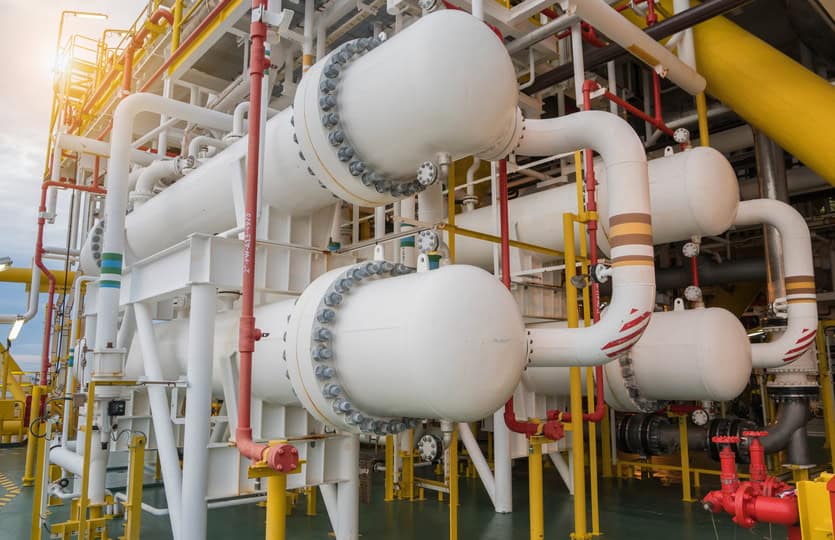
The heat exchangers market in Denmark is experiencing steady growth, driven by an increasing emphasis on energy efficiency, sustainability, and the transition to renewable energy sources. Heat exchangers, essential components in various industrial and commercial applications, play a pivotal role in improving energy usage, reducing emissions, and lowering operational costs.
The Denmark Heat Exchangers Market size is predicted to reach USD 121.9 million with a CAGR of 6.6% by 2030.
Factors Driving Market Growth
Denmark’s ambitious climate goals and commitment to reducing carbon emissions have been key factors propelling the demand for heat exchangers. As the country continues to push toward carbon neutrality by 2050, energy efficiency technologies like heat exchangers are becoming indispensable in sectors such as HVAC (heating, ventilation, and air conditioning), power generation, industrial manufacturing, and transportation.
Don’t Miss This Important News
Energy Efficiency Driving Adoption in Various Sectors
The industrial sector is one of the largest adopters of heat exchangers in Denmark. Heat exchangers are widely used in industries such as chemicals, oil and gas, food and beverage, and pharmaceuticals for processes like cooling, heating, and temperature regulation. As industries strive to meet energy consumption reduction targets and sustainability goals, the demand for energy-efficient heat exchangers has surged.
Denmark’s strong commitment to the renewable energy sector, particularly wind and bioenergy, has also fueled the demand for advanced heat exchange solutions. Heat exchangers play a crucial role in optimizing energy recovery in power plants, district heating systems, and waste-to-energy facilities, where maximizing energy efficiency is paramount to meeting Denmark’s energy targets.
Growth in the Commercial and Residential Sectors
While industrial applications continue to dominate the market, the commercial and residential sectors are also seeing increasing adoption of heat exchangers. In Denmark’s well-established green building market, heat exchangers are key components of energy-efficient HVAC systems that improve indoor air quality while reducing energy consumption.
As Denmark continues to focus on sustainability, building codes and regulations have become more stringent, pushing for better energy performance in buildings. Heat exchangers, particularly air-to-air exchangers and heat recovery ventilators (HRVs), have gained popularity in both residential and commercial construction projects due to their ability to recover and reuse heat, contributing to lower energy bills and a more comfortable indoor environment.
Technological Advancements and Innovation
The heat exchangers market in Denmark is experiencing rapid technological advancements, which are enhancing the performance, reliability, and sustainability of these devices. Innovations such as compact and modular heat exchangers, advanced materials for improved heat transfer, and enhanced thermal management technologies are driving the evolution of the market.
Denmark-based manufacturers are leading the way in developing more efficient and eco-friendly heat exchanger solutions, such as those designed to withstand higher temperatures and pressures, making them suitable for industrial processes and renewable energy systems. Additionally, there is a growing trend of integrating smart technologies into heat exchangers, enabling predictive maintenance, remote monitoring, and real-time data analytics to optimize system performance.
Challenges and Market Outlook
Despite the promising growth potential, the heat exchangers market in Denmark faces certain challenges. One of the key barriers is the initial high investment costs for advanced heat exchanger systems, especially in industries that are still transitioning toward energy-efficient technologies. Furthermore, the complexity of installing and maintaining high-performance heat exchangers in large industrial systems can also pose challenges for businesses.
However, with Denmark’s regulatory environment becoming more supportive of energy efficiency initiatives, government incentives, tax rebates, and subsidies are expected to further stimulate market growth. As more industries recognize the long-term cost savings associated with heat exchangers, the market is poised for substantial expansion.
Conclusion
The heat exchangers market in Denmark is poised for significant growth as industries and consumers alike seek more sustainable, energy-efficient solutions to meet Denmark’s ambitious climate goals. Driven by the country’s strong commitment to renewable energy and energy efficiency, as well as technological advancements in heat exchange solutions, the market is set to benefit from continued demand across various sectors, including industrial manufacturing, power generation, commercial buildings, and residential construction.
As Denmark continues its journey toward carbon neutrality, heat exchangers will play an increasingly vital role in optimizing energy consumption, reducing emissions, and supporting the transition to a greener, more sustainable future.
