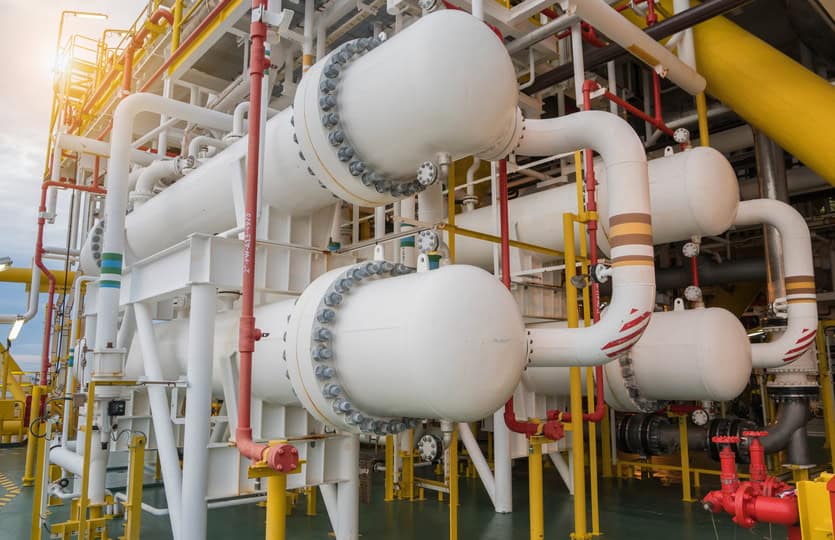
The Indonesia Heat Exchangers Market is poised for significant growth in the coming years, driven by increasing industrial activities, advancements in energy efficiency technologies, and the rising demand for sustainable solutions.
The Indonesia Heat Exchangers Market is predicted to reach USD 973.8 million, with a CAGR of 10.2% by 2030. The market is set to experience robust expansion, impacting various sectors such as oil and gas, power generation, food and beverage, and HVAC (heating, ventilation, and air conditioning).
Market Overview
Heat exchangers are essential components used to transfer heat between fluids without mixing them. In industries ranging from chemical processing to HVAC, heat exchangers are pivotal in maintaining operational efficiency, reducing energy consumption, and lowering environmental impacts. As Indonesia continues to urbanize and industrialize, the demand for these efficient thermal management solutions is rising.
Click to Uncover the Full News
The Indonesia Heat Exchangers Market is currently valued at USD X million and is expected to grow significantly due to key factors such as:
- Industrial Expansion: As Indonesia’s manufacturing sector, including oil refining, chemical, and power generation industries, continues to expand, there is a growing need for advanced heat exchanger systems that can handle high capacities and operate with increased efficiency.
- Energy Efficiency Regulations: The Indonesian government has been promoting sustainability and energy efficiency through various regulations and incentives, such as the National Energy Conservation Program. These measures are encouraging industries to invest in energy-efficient systems, including heat exchangers, to meet the country’s sustainability goals.
- Technological Advancements: Innovations in materials, designs, and manufacturing techniques are creating opportunities for more efficient, durable, and cost-effective heat exchangers. The rise of smart technologies, such as IoT-enabled monitoring systems, is also enhancing the functionality and performance of these systems.
Market Segmentation
The Indonesia Heat Exchangers Market can be segmented based on type, application, and end-use industries.
- By Type:
- Shell and Tube Heat Exchangers: Dominating the market, these heat exchangers are used in a variety of heavy-duty applications, such as oil and gas and chemical industries.
- Plate Heat Exchangers: Known for their compact design and superior heat transfer capabilities, plate heat exchangers are becoming increasingly popular in HVAC, food processing, and other light to medium-duty applications.
- Air Cooled Heat Exchangers: With their ability to operate without the need for water, these heat exchangers are gaining traction in regions like Indonesia, where water scarcity can be a concern in industrial processes.
- Other Types: Including finned tube heat exchangers and double pipe heat exchangers, catering to specialized needs in specific industries.
- By Application:
- Oil and Gas: The oil and gas industry continues to be a significant consumer of heat exchangers due to the high heat energy demands and the need for robust systems in extreme environments.
- Power Generation: Power plants require highly efficient heat exchangers to manage the large amounts of heat generated during electricity production, especially in the context of increasing demand for energy in Indonesia.
- HVAC: As urbanization increases, so does the demand for cooling and heating systems in residential, commercial, and industrial buildings.
- Food and Beverage: In the food processing sector, heat exchangers are used for pasteurization, sterilization, and temperature regulation in production lines.
- By End-Use Industry:
- Chemical Industry: Heat exchangers are vital in controlling temperatures and cooling hot fluids used in chemical reactions and manufacturing processes.
- Automotive: Heat exchangers are increasingly used in automotive applications, such as radiators and air conditioning systems.
Regional Insights
The market in Indonesia is showing significant demand across various regions, with West Java, East Java, and Jakarta being the major hubs for industrial activities. As manufacturing and processing facilities expand, these regions are likely to remain the key areas for heat exchanger adoption. Additionally, the push for renewable energy projects, particularly in geothermal energy, will further boost demand for heat exchanger systems.
Key Drivers and Challenges
Drivers:
- Sustainability Initiatives: Indonesia’s commitment to sustainability is pushing industries to adopt energy-efficient solutions, positioning heat exchangers as a crucial component in achieving these goals.
- Industrial Growth: Indonesia’s growing industries, particularly oil and gas, power generation, and food processing, are driving the demand for advanced thermal management solutions.
- Government Support: Policies aimed at reducing energy consumption, coupled with incentives for energy-efficient technologies, are fostering the growth of the heat exchangers market.
Challenges:
- High Initial Costs: Despite long-term savings in energy consumption, the upfront cost of heat exchangers can be a barrier for some small and medium enterprises (SMEs).
- Technological Complexity: The complexity of modern heat exchangers, coupled with a lack of skilled technicians, could pose challenges for seamless installation and maintenance.
Competitive Landscape
The Indonesia Heat Exchangers Market is highly competitive, with a mix of local and international players. To stay competitive, key market players are focusing on innovation, partnerships, and expansion of their product offerings to cater to the diverse needs of industrial customers.
Conclusion
The Indonesia Heat Exchangers Market is set for sustained growth driven by industrial expansion, government incentives for energy efficiency, and technological advancements. As the country continues its economic development, heat exchangers will play an increasingly vital role in supporting sustainable energy practices and improving operational efficiencies across various industries.
