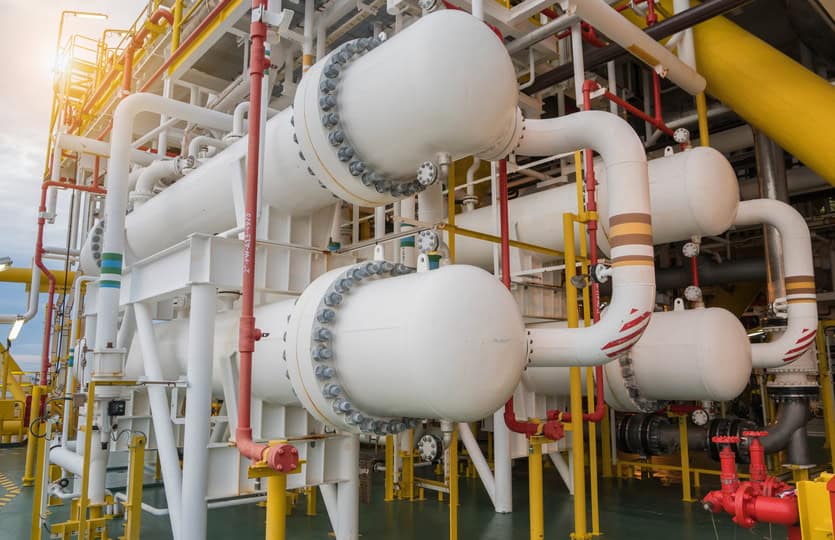
The heat exchangers market in Italy is experiencing significant growth, driven by increasing demand for energy-efficient solutions, technological advancements, and the rising adoption of sustainability initiatives across industries.
The Italy Heat Exchangers Market is predicted to reach USD 600.6 million, with a CAGR of 5.5% by 2030.
Download Your Free Sample Today!
Market Overview
Heat exchangers, critical components in various industries, are used to transfer heat between two or more fluids. Their primary function is to enhance energy efficiency, reduce operational costs, and support environmental sustainability. As industries across Italy place a stronger emphasis on reducing energy consumption and lowering greenhouse gas emissions, the demand for advanced, high-performance heat exchangers has surged.
Click to Uncover the Full News
The market for heat exchangers in Italy is diverse, comprising various product types including shell and tube heat exchangers, plate heat exchangers, air cooled heat exchangers, and double pipe heat exchangers. Among these, shell and tube heat exchangers dominate the market, owing to their versatility, durability, and efficiency in a range of applications such as chemical processing, oil and gas, and HVAC systems.
Key Market Drivers
- Energy Efficiency and Cost Savings: As Italy seeks to meet its ambitious energy efficiency targets under the European Union’s Green Deal, industries are increasingly adopting heat exchangers to minimize energy wastage and reduce operational expenses. In sectors like power generation and industrial manufacturing, heat exchangers are essential for optimizing the heat recovery process, ensuring energy is used efficiently and waste is minimized.
- Sustainability and Environmental Concerns: With the growing focus on sustainability and reducing carbon footprints, industries are investing in energy-efficient technologies that reduce emissions. Heat exchangers contribute directly to these goals by enabling the recovery and reuse of heat, reducing the need for additional energy sources. Additionally, the trend toward renewable energy sources is boosting the demand for advanced heat exchangers designed for solar, geothermal, and other eco-friendly applications.
- Technological Advancements: The evolution of heat exchanger technology, such as the development of more compact, high-performance, and corrosion-resistant systems, is driving market growth. Innovations such as microchannel heat exchangers, compact plate heat exchangers, and heat exchangers made from advanced materials have enhanced thermal performance, making them suitable for a wider range of industrial applications.
- Government Policies and Regulations: Italy’s commitment to the European Union’s environmental and energy efficiency targets has resulted in a regulatory push toward reducing energy consumption across all sectors. The implementation of stringent energy efficiency standards for buildings, industrial processes, and transportation systems is boosting demand for heat exchangers as industries comply with these regulations.
Applications Across Industries
- Industrial Manufacturing: The manufacturing sector is the largest consumer of heat exchangers in Italy. Key industries such as chemical processing, automotive, food and beverage, and pharmaceuticals rely on heat exchangers for temperature control and efficient heat transfer. With the growing trend toward automation and digitalization, manufacturers are increasingly integrating advanced heat exchangers to optimize their production processes.
- Power Generation: The Italian power generation sector, which includes both traditional and renewable energy plants, is another major driver of heat exchanger demand. Heat exchangers are critical in both conventional power plants (for steam generation and cooling) and in renewable energy applications like solar thermal power plants, where they are used for thermal energy storage and management.
- HVAC Systems: As Italy’s real estate and construction sectors boom, there is an increasing need for energy-efficient HVAC systems. Heat exchangers are essential components in these systems, ensuring optimal indoor temperatures while minimizing energy use. Additionally, the country’s focus on retrofitting existing buildings with energy-efficient technologies is further propelling the demand for heat exchangers.
- Automotive and Transport: The automotive industry, particularly electric vehicles (EVs), is adopting heat exchangers for efficient thermal management systems. This is especially important in EVs where maintaining optimal temperatures in batteries and powertrain components is critical for performance and safety.
Challenges and Market Outlook
Despite the promising growth prospects, the Italy heat exchangers market faces some challenges, including high initial costs associated with advanced heat exchanger technologies and limited awareness about the long-term benefits of these systems. Furthermore, fluctuations in raw material prices and supply chain disruptions could impact market dynamics.
However, the outlook remains positive as the country moves towards a greener, more energy-efficient future. Technological innovation, regulatory support, and the increasing focus on sustainability will continue to drive market expansion in the coming years.
Conclusion
The heat exchangers market in Italy is on a solid growth trajectory, fueled by strong demand across industries for energy-efficient and environmentally friendly solutions. As Italy progresses toward its energy and sustainability goals, heat exchangers will play an increasingly important role in helping industries achieve greater efficiency, reduce costs, and contribute to the reduction of carbon emissions. With continuous advancements in technology and favorable government policies, the Italy heat exchangers market is set to remain a vital component of Italy’s industrial landscape over the next decade.
