The Denmark intralogistics market is poised for significant growth is predicted to reach USD 1262.8 million with a CAGR of 16.7% till 2030, fueled by the increasing adoption of automation, artificial intelligence (AI), and data-driven solutions. As businesses across industries such as manufacturing, retail, and e-commerce continue to focus on improving supply chain efficiency, Denmark’s advanced technological infrastructure and commitment to sustainability make it a key player in the evolving European intralogistics landscape. With companies striving for faster deliveries, smarter warehouses, and greater flexibility in operations, the country’s intralogistics sector is expected to witness major advancements in automation and digitalization in the coming years.
Market Overview
Intralogistics refers to the internal movement, storage, and management of goods within a company, including warehouse operations, inventory management, and transportation within facilities. With increasing pressure to meet customer demands for speed, accuracy, and cost-efficiency, businesses in Denmark are increasingly turning to automation, robotics, AI, and IoT technologies to optimize their supply chains.
Denmark, known for its strong industrial base, advanced manufacturing sector, and growing e-commerce market, is uniquely positioned to lead in the intralogistics space. The country’s commitment to sustainability, innovative approach to technology, and well-developed infrastructure contribute to the growing demand for intralogistics solutions that streamline operations and reduce costs.
Key Drivers of Market Growth
- E-Commerce Growth and Consumer Demand for Faster Deliveries
As e-commerce continues to grow rapidly in Denmark and across Europe, businesses are under pressure to fulfill customer orders quickly and accurately. Denmark’s e-commerce market has seen a surge in online shopping, and this trend is driving demand for automated solutions that can handle high volumes of orders efficiently. Automated picking systems, robotic sorting, and AI-powered warehouse management systems (WMS) are becoming increasingly essential for e-commerce businesses to meet the growing need for speed and accuracy in order fulfillment. - Automation and Robotics Reshaping Logistics Operations
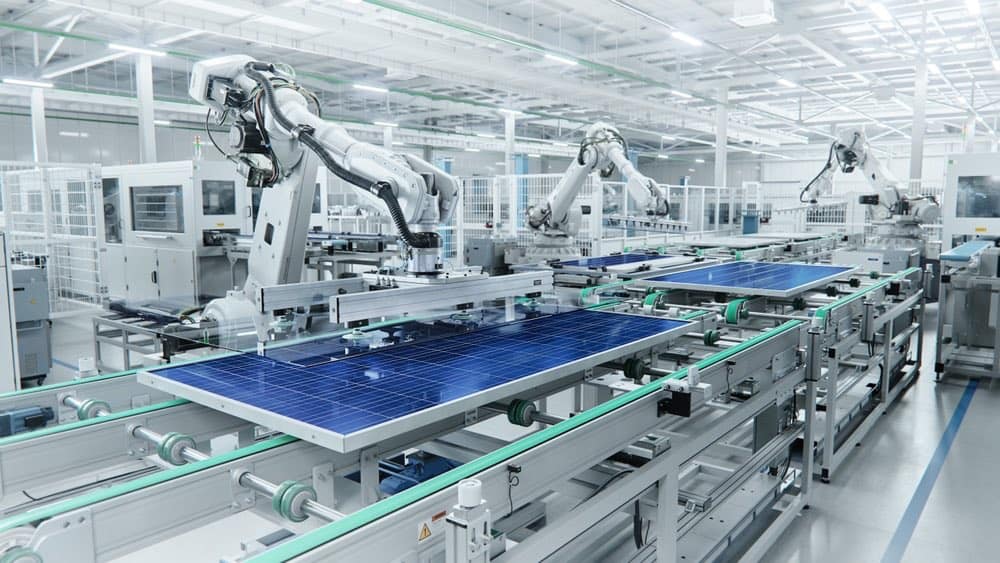
Automation is transforming how goods are handled and processed in Danish warehouses and distribution centers. Robotic systems, automated guided vehicles (AGVs), and automated storage and retrieval systems (ASRS) are helping companies streamline operations and improve productivity. These technologies enable businesses to handle goods with greater efficiency, reduce human error, and lower labor costs. In Denmark’s manufacturing and retail sectors, automation is being embraced as a way to boost productivity and optimize inventory management. - Artificial Intelligence and Real-Time Data Analytics
AI-driven technologies are playing a pivotal role in optimizing Denmark intralogistics market. Machine learning, predictive analytics, and real-time tracking systems are helping companies gain insights into their supply chain operations, improve inventory forecasting, and reduce inefficiencies. AI is also enhancing decision-making by providing real-time data that enables businesses to make faster and more accurate adjustments to their supply chain strategies. As real-time visibility becomes a key competitive advantage, AI is enabling companies to better anticipate market fluctuations and adapt to changing consumer demands.
Experience It for Yourself – Download a FREE Sample!
Challenges and Opportunities
While the Denmark intralogistics market is experiencing significant growth, several challenges exist. One of the main barriers is the high initial investment required for advanced automation and robotics technologies, which can be a hurdle for small and medium-sized enterprises (SMEs). Additionally, integrating new systems into existing operations and ensuring that staff are properly trained to operate these technologies can be complex and resource-intensive.
However, these challenges present opportunities for innovation. Companies that provide affordable and scalable intralogistics solutions designed for SMEs are well-positioned to capture market share. Furthermore, advancements in cloud-based technologies and software-as-a-service (SaaS) platforms are making it easier for businesses to implement and manage intralogistics systems without significant upfront investment.
Regional Insights
Denmark’s intralogistics market is driven by several key regions. The capital city, Copenhagen, serves as a central hub for logistics, with major industries such as retail, manufacturing, and distribution located in the area. Additionally, Denmark’s strategic position in Northern Europe, with access to major transportation routes and ports, strengthens its logistics capabilities. The country’s well-developed infrastructure, including rail, road, and sea transport, is contributing to the growing demand for efficient intralogistics solutions.
In particular, Denmark’s focus on sustainability and its role as a leader in green technologies is becoming increasingly important in shaping the regional intralogistics landscape. The country’s green logistics initiatives are attracting investments and encouraging the adoption of environmentally friendly technologies across various industries.
Future Outlook
The future of Denmark’s intralogistics market looks promising, with strong growth prospects in automation, AI, and sustainability. In the coming years, businesses will continue to rely on smart intralogistics technologies to drive operational efficiency, enhance customer service, and remain competitive in the global marketplace. As e-commerce continues to grow, and companies place a stronger emphasis on sustainability and supply chain resilience, Denmark’s intralogistics sector is expected to thrive in 2025 and beyond.
The growing focus on innovation, coupled with Denmark’s commitment to environmental responsibility, will play a key role in shaping the future of the country’s intralogistics market. By adopting automation, robotics, and data-driven solutions, businesses in Denmark will be better positioned to meet the evolving demands of the logistics sector and drive long-term success.
