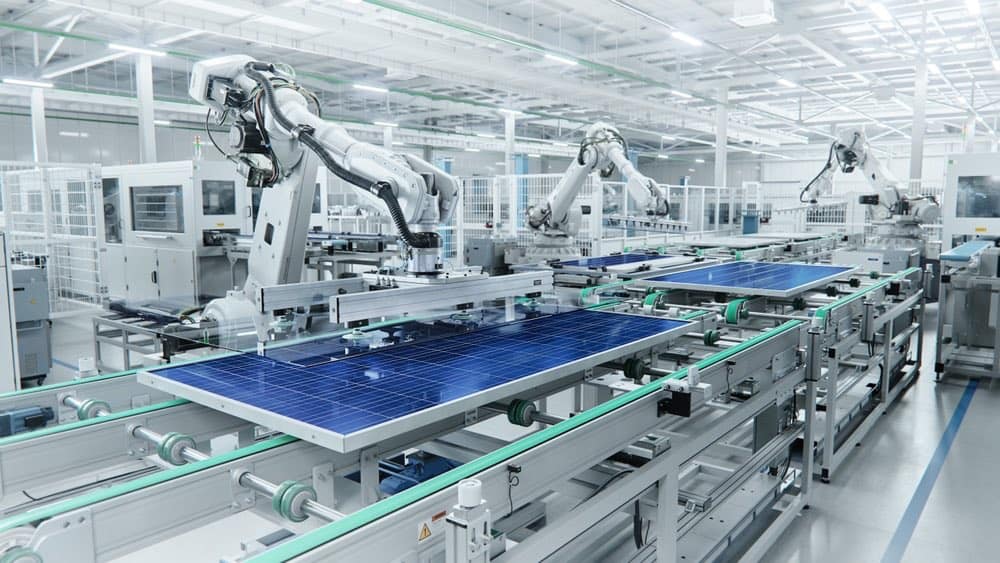
The Norway intralogistics market is on the verge of significant expansion is predicted to reach USD 1091.1 million with a CAGR of 13.4% till 2030, with a growing focus on automation, artificial intelligence (AI), and sustainability driving industry innovation. As industries such as manufacturing, e-commerce, and retail continue to modernize and streamline their supply chains, Norway’s strong industrial base, advanced technological infrastructure, and commitment to environmental responsibility are positioning the country as a leader in the European intralogistics sector. With businesses across Norway prioritizing operational efficiency and the need to meet increasingly demanding consumer expectations, the adoption of cutting-edge intralogistics solutions is set to surge in the coming years.
Market Overview
Intralogistics encompasses the internal processes involved in the transportation, storage, and management of goods within a company’s facilities. With increasing pressure on businesses to optimize supply chains, reduce operational costs, and meet the demand for faster, more accurate deliveries, businesses in Norway are increasingly turning to automation, AI, and data-driven technologies to enhance their logistics operations.
As one of the most technologically advanced countries in Europe with a strong industrial and manufacturing sector, Norway is well-positioned to lead the way in adopting next-generation intralogistics technologies. With a strong focus on innovation and sustainability, the Norway intralogistics market is expected to experience accelerated growth through 2025 and beyond.
Explore the Benefits with a FREE Sample!
Key Drivers of Market Growth
- E-Commerce Boom and Consumer Demands for Faster Delivery
Norway’s e-commerce sector has witnessed tremendous growth in recent years, with more consumers opting for online shopping, especially in the wake of the COVID-19 pandemic. This surge in e-commerce has increased the demand for faster and more reliable deliveries, prompting businesses to seek ways to optimize their internal logistics. Automation solutions like robotic picking systems, automated sorting technologies, and AI-driven warehouse management systems (WMS) are rapidly being implemented to improve the speed, accuracy, and efficiency of order fulfillment. These systems enable businesses to respond quickly to customer demands and stay competitive in the growing e-commerce landscape. - Automation and Robotics Enhancing Warehouse Efficiency
Automation and robotics are playing a pivotal role in transforming how goods are handled and stored in Norwegian warehouses and distribution centers. Automated guided vehicles (AGVs), robotic arms, and automated storage and retrieval systems (ASRS) are improving throughput, reducing labor costs, and increasing safety. With Norway’s strong manufacturing sector, automation is helping businesses streamline production processes and optimize inventory management. These technologies offer businesses the flexibility to scale operations, reduce lead times, and address labor shortages, all while boosting overall operational efficiency. - Artificial Intelligence and Data-Driven Insights
AI is becoming increasingly important in Norway’s intralogistics market, helping businesses optimize their operations and make more data-driven decisions. Machine learning, predictive analytics, and real-time data analytics are enabling companies to improve inventory forecasting, optimize warehouse layouts, and enhance supply chain visibility. AI-powered systems are providing actionable insights into demand patterns, enabling businesses to make more accurate decisions on stock levels, order fulfillment, and logistics planning. The use of AI is also helping companies in Norway gain a competitive edge by improving operational efficiency and driving smarter, more agile supply chains.
Stay Ahead with the Latest News
Challenges and Opportunities
While the Norway intralogistics market presents strong growth opportunities, businesses face several challenges. The high initial investment required for advanced automation and AI systems can be a barrier for smaller companies or those with limited resources. Additionally, the complexity of integrating new technologies with existing systems and ensuring staff are properly trained to operate and maintain these systems may pose challenges.
However, these challenges also present opportunities for innovation and growth. There is increasing demand for affordable, scalable intralogistics solutions that cater to small and medium-sized enterprises (SMEs). The growth of cloud-based solutions and Software-as-a-Service (SaaS) platforms is making it easier for SMEs to adopt advanced technologies without significant upfront costs. Furthermore, the increasing emphasis on sustainability presents opportunities for companies to develop and implement green logistics technologies that help businesses meet environmental goals and reduce operational costs.
Regional Insights
The intralogistics market in Norway is concentrated in key regions such as Oslo, Bergen, and Stavanger, with these cities housing a significant portion of the country’s logistics and manufacturing activities. Oslo, as the capital and economic hub of Norway, plays a central role in the adoption of intralogistics technologies. Bergen and Stavanger, as important centers for industries such as oil, gas, and shipping, are also key drivers of the market. As e-commerce continues to grow in Norway’s urban areas, demand for intralogistics solutions is expected to rise, particularly in the Oslo metropolitan region, which serves as a major logistics hub.
Future Outlook
The future of Norway’s intralogistics market looks promising, with continued growth expected in automation, AI, and sustainable logistics solutions. As e-commerce continues to surge and businesses prioritize operational efficiency, the adoption of advanced intralogistics technologies will accelerate through 2025 and beyond. The integration of automation, AI, and sustainability will be central to shaping the future of the market, helping businesses stay competitive, reduce costs, and meet consumer expectations.
With its strong industrial foundation, technological expertise, and focus on sustainability, Norway is well-positioned to be a leader in the European intralogistics market, offering significant opportunities for both local and international businesses to innovate and thrive.
