The Sweden intralogistics market is poised for substantial growth is predicted to reach USD 1522.6 million with a CAGR of 15.2% till 2030, fueled by the increasing adoption of automation, artificial intelligence (AI), and data-driven technologies. As industries such as manufacturing, e-commerce, and retail continue to prioritize operational efficiency and customer-centric logistics solutions, Sweden’s well-established industrial sector, technological innovation, and commitment to sustainability position the country as a key player in the evolving European intralogistics landscape. Businesses across Sweden are expected to invest heavily in automation and smart technologies to enhance warehouse operations, optimize supply chain management, and meet the rising demand for fast, accurate deliveries.
Market Overview
Intralogistics refers to the management and movement of goods within a company’s facilities, encompassing everything from warehouse operations and inventory management to internal transportation. As global supply chains become more complex and consumer demands for quicker deliveries increase, businesses in Sweden are turning to advanced intralogistics solutions that allow them to streamline their operations and boost efficiency.
Sweden is widely recognized for its technological prowess, innovative business culture, and commitment to sustainability. These factors, combined with Sweden’s strategic geographic position in Europe, make it an ideal market for the continued growth of intralogistics solutions. In 2025, the Sweden intralogistics market is expected to see continued investments in automation, robotics, AI, and cloud-based systems, which will help businesses drive efficiency and improve their competitive edge.
Start with a FREE Sample – Download Now!
Key Drivers of Market Growth
- E-Commerce Growth and Customer Expectations
E-commerce is expanding rapidly in Sweden, driven by changing consumer habits and increased online shopping. As more consumers expect fast and reliable delivery, Swedish businesses are seeking ways to improve their logistics operations to meet these growing expectations. Automation technologies, such as robotic picking, automated sorting systems, and AI-powered warehouse management systems (WMS), are being adopted to enhance speed and accuracy in order fulfillment. These solutions are becoming essential tools for e-commerce businesses that need to improve their operational efficiency and meet the demand for quick delivery times. - Automation and Robotics Revolutionize Warehouse Operations
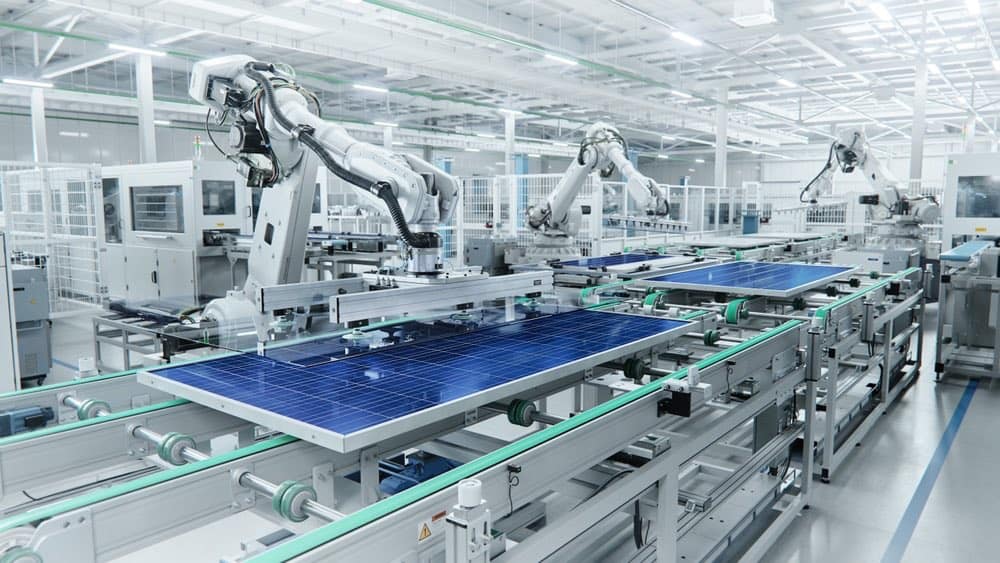
Automation is a key trend in Sweden’s intralogistics market, transforming warehouse and distribution center operations. Automated guided vehicles (AGVs), robotic arms, and automated storage and retrieval systems (ASRS) are increasingly deployed to handle the internal movement and storage of goods. These systems improve operational efficiency, reduce human error, lower labor costs, and increase safety. Sweden’s industrial sectors, particularly manufacturing and retail, are increasingly relying on these technologies to manage complex supply chain operations, increase throughput, and minimize lead times. - Artificial Intelligence and Real-Time Data Analytics
AI is rapidly gaining traction in Sweden’s intralogistics market, where it is being used to optimize warehouse management, inventory control, and supply chain visibility. Through machine learning and predictive analytics, AI is enabling businesses to forecast demand, optimize stock levels, and identify inefficiencies in their operations. Real-time tracking and data analytics are also improving the visibility of goods in transit, allowing businesses to make smarter decisions and enhance supply chain flexibility. As AI technologies become more sophisticated, Swedish businesses are increasingly relying on data-driven insights to improve their logistics processes.
Challenges and Opportunities
While Sweden’s intralogistics market presents significant growth opportunities, there are challenges to consider. The high initial cost of implementing automation and robotics can be a barrier for some businesses, particularly small and medium-sized enterprises (SMEs). Additionally, integrating new technologies into existing systems and ensuring that staff are adequately trained to use advanced intralogistics solutions requires time and resources.
However, these challenges also present opportunities for innovation and growth. The development of cost-effective, scalable intralogistics solutions tailored to the needs of SMEs is expected to become a key market trend. Advances in cloud-based solutions, modular systems, and Software-as-a-Service (SaaS) platforms are making it easier for businesses of all sizes to adopt and integrate intralogistics technologies without significant upfront investment.
Regional Insights
Sweden’s intralogistics market is concentrated in key industrial regions, with Stockholm, Gothenburg, and Malmö serving as major hubs for logistics and distribution activities. Stockholm, as the capital, is home to a large number of e-commerce businesses and logistics service providers. The port city of Gothenburg is crucial for international trade, making it a critical location for logistics and supply chain operations. Malmö, located in southern Sweden, is another significant logistics hub, with strong transportation links to neighboring countries in Europe. As e-commerce continues to grow, these regions will continue to drive demand for efficient intralogistics solutions.
Future Outlook
The Sweden intralogistics market is expected to continue its upward trajectory, driven by the continued growth of e-commerce, the widespread adoption of automation and AI technologies, and a focus on sustainability. As businesses prioritize operational efficiency and resilience, demand for smart intralogistics solutions will grow in 2025 and beyond.
In the coming years, Swedish businesses will increasingly adopt advanced technologies such as robotics, AI, and cloud-based systems to streamline their operations and meet customer expectations. As sustainability and supply chain flexibility become central business priorities, the Sweden intralogistics market is set to lead the way in innovative, eco-friendly solutions that drive operational efficiency and support long-term success.
