The Indonesia intralogistics market is set for significant expansion is predicted to reach USD 965.17 million with a CAGR of 17.6% till 2030, driven by the growing adoption of automation, artificial intelligence (AI), and advancements in supply chain technologies. As Indonesia continues to experience rapid economic growth, e-commerce expansion, and rising consumer demand, businesses across the country are increasingly relying on advanced intralogistics solutions to streamline operations, enhance supply chain efficiency, and meet the evolving needs of the market. With the combination of technological advancements, the increasing importance of e-commerce, and strong government support, Indonesia is emerging as a key player in the global intralogistics market.
Market Overview
Intralogistics refers to the internal processes involved in handling, storing, and transporting goods within a company’s facilities, such as warehouses, distribution centers, and factories. As one of Southeast Asia’s largest economies, Indonesia is witnessing a shift toward the adoption of cutting-edge logistics technologies to improve operational efficiency, reduce costs, and ensure faster delivery times. Robotics, AI-powered warehouse management systems (WMS), automated guided vehicles (AGVs), and predictive analytics are rapidly gaining traction as businesses look for ways to optimize internal processes and improve overall supply chain performance.
Indonesia’s growing industrial base, coupled with the country’s booming e-commerce sector, has created a ripe environment for intralogistics innovations. The need for faster, more reliable logistics solutions is driving the demand for automation and digitalization, positioning Indonesia as a hotbed for intralogistics growth in Southeast Asia.
Key Drivers of Market Growth
- E-Commerce Boom and Consumer Demands
Indonesia’s e-commerce sector has experienced explosive growth in recent years, driven by a large and young population that is increasingly turning to online shopping. Major players in the Indonesian e-commerce market, such as Tokopedia, Bukalapak, and Shopee, have fueled the demand for faster and more efficient delivery services. With consumers expecting quicker and more accurate deliveries, businesses are turning to advanced intralogistics solutions to enhance order fulfillment processes. Automated sorting systems, robotic picking solutions, and AI-powered warehouse management systems are helping businesses meet these growing consumer demands by streamlining inventory management, improving accuracy, and reducing lead times. - Automation Revolutionizing Warehouse Operations
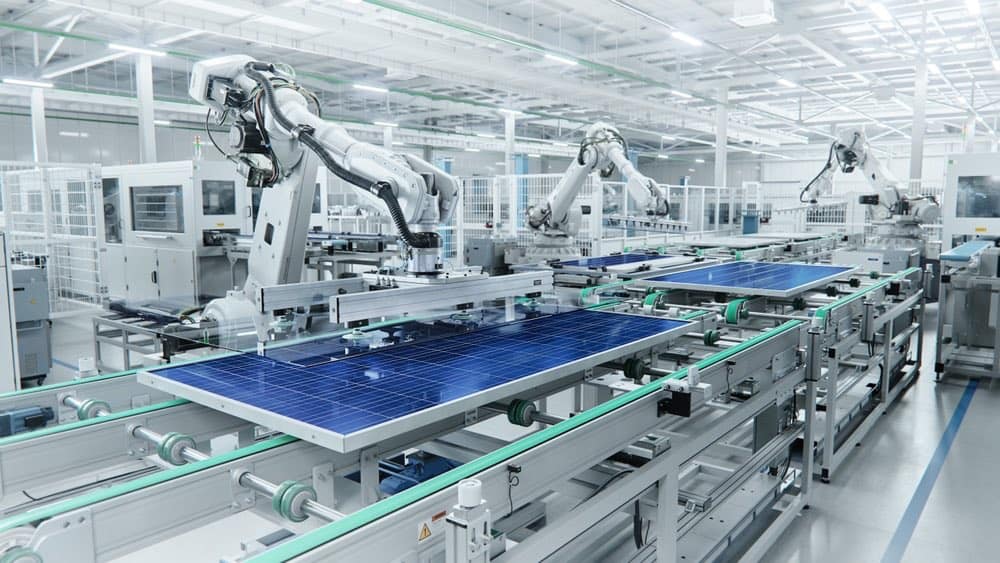
Automation is becoming a game-changer in Indonesia intralogistics market, especially within warehouses and distribution centers. Automated Guided Vehicles (AGVs), robotic arms, and automated conveyor systems are increasingly being implemented to reduce labor costs, enhance operational efficiency, and maximize warehouse space utilization. Automation allows businesses to streamline the movement of goods, reduce human error, and increase order picking speed. With the growth of e-commerce and manufacturing sectors in cities like Jakarta, Surabaya, and Bandung, the demand for automated systems in warehousing and logistics operations is rising rapidly.
Experience It for Yourself – Download a FREE Sample!
- Artificial Intelligence and Data Analytics
AI and data analytics are rapidly transforming Indonesia’s logistics landscape by enabling businesses to optimize inventory management, predict demand, and improve route planning. AI-driven warehouse management systems (WMS) allow companies to automate the tracking of goods, manage stock more effectively, and forecast future inventory needs. Predictive analytics, powered by AI, also help businesses reduce supply chain disruptions, improve delivery efficiency, and manage risks. As companies in Indonesia look to enhance operational performance and customer satisfaction, the integration of AI technologies into intralogistics processes is becoming a critical strategy.
Challenges and Opportunities
While the intralogistics market in Indonesia offers immense potential, there are several challenges businesses face in adopting new technologies. The high initial investment costs associated with automation and AI-driven systems can be a barrier, particularly for small and medium-sized enterprises (SMEs) that may struggle to afford these solutions. Furthermore, the integration of new technologies with existing systems can present complexities and require significant expertise.
However, these challenges also present opportunities for innovation and growth. As the demand for cost-effective and scalable automation solutions increases, opportunities will arise to develop affordable, modular systems that cater to businesses of all sizes. Additionally, the rising need for sustainable logistics solutions creates opportunities for businesses to invest in eco-friendly technologies, such as energy-efficient systems and electric vehicles.
Regional Insights
Indonesia’s intralogistics market is concentrated in key urban centers such as Jakarta, Surabaya, and Bandung, where a significant portion of the country’s manufacturing and retail activities take place. Jakarta, as the country’s economic hub, is driving demand for advanced intralogistics solutions, particularly in the e-commerce and retail sectors. Surabaya and Bandung, with their growing industrial and manufacturing bases, are also emerging as key markets for automation and AI-powered intralogistics solutions.
Future Outlook
The Indonesia intralogistics market is set for rapid growth in 2025 and beyond. The country’s expanding e-commerce sector, government support for technological innovation, and the increasing adoption of automation and AI solutions will drive substantial growth in the market. As businesses in Indonesia continue to invest in advanced intralogistics solutions, the integration of robotics, AI, and automation will reshape the way goods are handled, stored, and transported within warehouses and distribution centers.
With its growing industrial base, technological advancements, and government initiatives, Indonesia is positioning itself as a leading market for intralogistics innovation in Southeast Asia. As companies look to optimize their internal supply chain processes, improve efficiency, and meet the increasing demands of consumers, the intralogistics market in Indonesia will continue to thrive.
