The Middle East intralogistics market is expected to experience significant growth is predicted to reach USD 535.54 million with a CAGR of 17.9% till 2030, driven by the increasing adoption of automation, artificial intelligence (AI), and emerging digital technologies. With the region’s strategic location as a global logistics hub, the Middle East is seeing a rapid transformation in its supply chain and warehouse management operations. E-commerce expansion, rising consumer demands for faster deliveries, and the push for greater operational efficiency are all fueling this dynamic shift in the region’s logistics sector.
As industries across the Middle East strive to enhance supply chain productivity and meet the challenges posed by a growing e-commerce sector, the demand for advanced intralogistics solutions—such as automation, robotics, AI-driven inventory management, and data analytics—is on the rise. The region’s strong infrastructure investments, government support for digital transformation, and a thriving manufacturing and retail base are expected to make the Middle East one of the most promising markets for intralogistics solutions in 2025 and beyond.
Market Overview
Middle East Intralogistics Market refers to the internal management of goods within a company’s facilities, including warehousing, inventory management, and transportation. The Middle East is undergoing a significant shift in how goods are handled, stored, and transported within warehouses and distribution centers, with technology playing a crucial role. The region is investing heavily in digital and automation technologies to streamline logistics processes and drive more efficient supply chains.
Don’t Miss Out! Get Your FREE Sample!
Key Drivers of Market Growth
- E-Commerce Boom and Consumer Expectations
The e-commerce sector in the Middle East has witnessed rapid growth in recent years, with consumers increasingly shopping online for a wide range of products, from electronics to fashion. Major players like Amazon, Noon, and regional e-commerce platforms are expanding their presence in the region. With this boom in online shopping, there is a heightened demand for faster, more efficient delivery systems. Consumers now expect quick, accurate deliveries, which is prompting businesses to invest in advanced intralogistics solutions such as robotics, AI, and automated sorting systems to meet these expectations. - Automation and Robotics
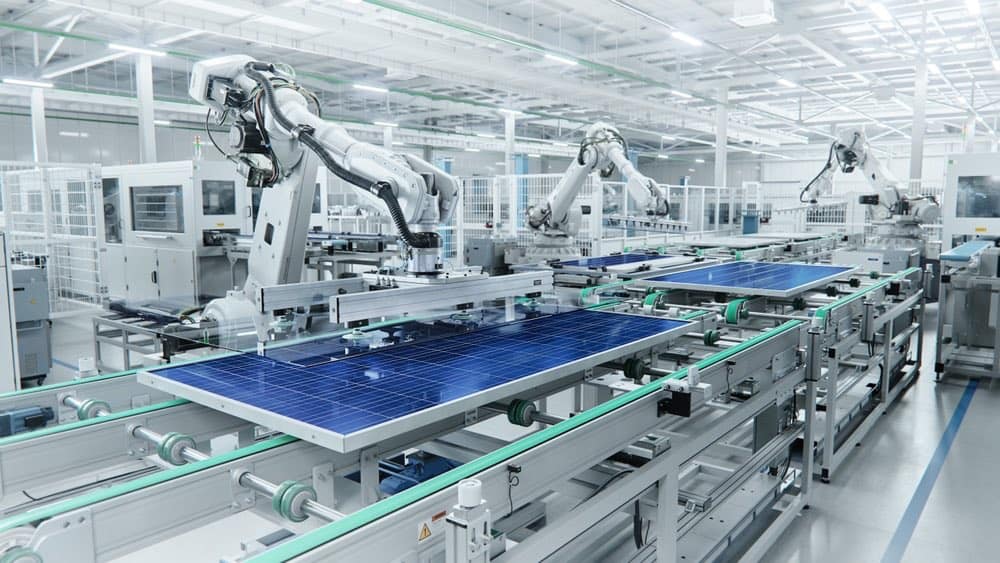
Automation is revolutionizing warehouse and distribution operations in the Middle East. The implementation of robotics and automated solutions, such as AGVs, robotic picking systems, and conveyor belts, is helping businesses enhance operational efficiency and reduce labor costs. These systems are capable of performing repetitive tasks with high accuracy, freeing up human workers to focus on more complex activities. As the Middle East’s logistics infrastructure evolves, the demand for warehouse automation is expected to grow, particularly in high-density areas such as Dubai and Riyadh. - AI and Data-Driven Decision Making
Artificial intelligence is playing an increasingly important role in transforming the Middle East’s intralogistics sector. AI-powered warehouse management systems (WMS) help optimize inventory levels, streamline order picking, and predict demand. Data analytics is also being used to track and analyze supply chain operations in real time, providing businesses with valuable insights that drive smarter decision-making. AI can help improve route optimization for transportation, reduce delays, and minimize operational costs. As businesses across the region look for ways to stay competitive, the adoption of AI and data-driven technologies will be a key enabler of growth in the intralogistics market.
Stay Ahead with the Latest News
Challenges and Opportunities
Despite the optimistic growth outlook, the Middle East intralogistics market faces challenges. The high initial costs of automation technologies, the integration of advanced systems with legacy infrastructures, and a lack of skilled workforce in automation are among the primary hurdles. Smaller businesses in the region may struggle with the capital expenditure required for advanced systems, while the rapid pace of technological change means that companies must constantly innovate to stay competitive.
However, these challenges present significant opportunities for growth. The demand for scalable and cost-effective solutions that cater to businesses of all sizes is on the rise. Additionally, there is a growing focus on sustainability, providing opportunities for companies to invest in green logistics solutions, such as electric delivery vehicles and energy-efficient warehouses.
Regional Insights
The Middle East intralogistics market is particularly dynamic in key industrial hubs such as the UAE, Saudi Arabia, Qatar, and Oman. Dubai, with its world-class infrastructure and status as a global logistics hub, is leading the charge in adopting smart logistics solutions. Saudi Arabia’s Vision 2030 initiative is driving significant investments in digital transformation and infrastructure projects, making it an attractive market for intralogistics technology providers. Other countries in the region, including Kuwait and Bahrain, are also experiencing growth in their logistics sectors, contributing to the overall regional market expansion.
Future Outlook
The Middle East intralogistics market is poised for substantial growth in 2025 and beyond, driven by automation, AI, e-commerce expansion, and government initiatives aimed at fostering innovation in the logistics sector. As businesses continue to embrace digital transformation and adopt new technologies, the region’s logistics landscape will become increasingly efficient and competitive.
With strong infrastructure, increasing investments in smart logistics, and an expanding e-commerce sector, the Middle East is set to become a global leader in the intralogistics market. Companies that invest in automation and AI technologies now will be well-positioned to capitalize on these opportunities, driving growth and profitability in the future.
