The Africa intralogistics market is set to experience rapid growth is predicted to reach USD 822.79 million with a CAGR of 16.8% till 2030, driven by the increasing adoption of automation, artificial intelligence (AI), and e-commerce expansion. As industries across the continent continue to modernize and streamline their supply chain processes, advanced intralogistics solutions are becoming a critical component for businesses looking to optimize operations, reduce costs, and enhance customer satisfaction.
While traditional logistics in Africa has largely relied on manual processes, a growing focus on digital transformation and technological integration is reshaping the way goods are handled within warehouses, distribution centers, and manufacturing plants. E-commerce growth, the push for operational efficiency, and the adoption of smart technologies are driving the demand for automated intralogistics solutions, such as robotics, AI-based warehouse management systems, and data analytics. With increasing infrastructure investments and government support for digitization, the African intralogistics market is poised for transformative change over the next few years.
Market Overview
Intralogistics involves the management of goods within a company’s facilities, including transportation, warehousing, inventory management, and order fulfillment. As Africa’s manufacturing, retail, and e-commerce sectors grow, businesses are turning to innovative intralogistics solutions to address supply chain challenges and meet rising customer expectations for faster and more reliable deliveries.
The Africa Intralogistics Market is evolving rapidly as automation and AI technologies help improve efficiency, reduce labor costs, and minimize human error. This transformation is critical for businesses operating in key African markets such as Nigeria, South Africa, Kenya, Egypt, and Morocco, where demand for faster delivery and more efficient supply chains is at an all-time high.
Test It First – Download Your FREE Sample!
Key Drivers of Market Growth
- E-Commerce Growth and Consumer Expectations
Africa’s e-commerce market is experiencing explosive growth, with companies like Jumia, Takealot, and local online platforms leading the way in meeting consumer demands for a broader range of products and services. This surge in online shopping is creating a greater demand for efficient, automated intralogistics solutions that can ensure faster and more accurate deliveries. Consumer expectations for timely, cost-effective shipping are pressuring businesses to improve their logistics capabilities, driving the adoption of technologies like AI-driven inventory management, automated sorting systems, and real-time order tracking.
- Automation and Robotics
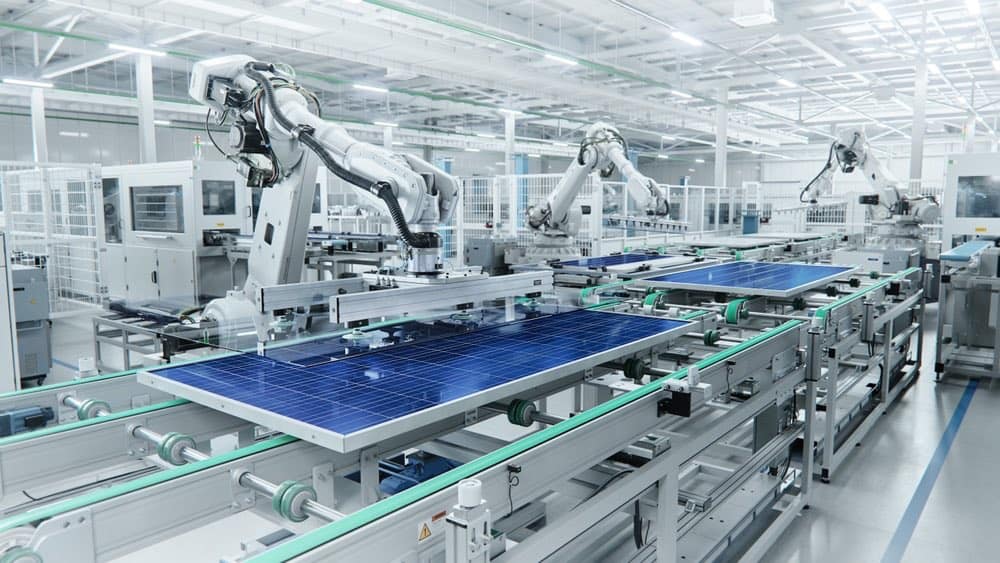
Automation is one of the key trends reshaping Africa’s intralogistics market. Technologies such as Automated Guided Vehicles (AGVs), robotics for order picking, and automated sorting systems are increasingly being deployed in warehouses and distribution centers to reduce reliance on manual labor and improve operational efficiency. These automated systems help businesses streamline their supply chains by accelerating order fulfillment, improving space utilization, and reducing human error.
- Artificial Intelligence and Data Analytics
AI and data analytics are providing African businesses with powerful tools to optimize their logistics operations. AI-driven warehouse management systems (WMS) enable companies to track inventory more effectively, reduce stockouts or overstocking, and improve order accuracy. Predictive analytics, powered by AI, allows businesses to forecast demand and optimize inventory management, ensuring they can meet consumer needs more effectively.
Don’t Miss This Important Update
Challenges and Opportunities
While the African intralogistics market presents significant opportunities, there are challenges that businesses must address. High upfront costs for automation technologies, limited access to skilled labor in advanced technologies, and concerns over system integration can slow adoption. Additionally, some regions of Africa face infrastructure challenges, such as unreliable power supply and limited transportation networks, which could hinder logistics operations.
However, these challenges also present opportunities for innovation. There is a growing demand for affordable, scalable intralogistics solutions that cater to the needs of small and medium-sized enterprises (SMEs). Furthermore, the need for sustainable logistics solutions—such as electric vehicles and energy-efficient warehouse systems—presents an opportunity for businesses to differentiate themselves while contributing to environmental goals.
Regional Insights
South Africa, Nigeria, Egypt, and Kenya are the key players in the African intralogistics market. South Africa, with its well-established infrastructure and strong manufacturing base, is the leading market for logistics technologies, while Nigeria’s growing e-commerce sector is driving demand for more efficient logistics solutions. Egypt’s strategic location as a gateway to the Middle East and Africa further enhances its position as a logistics hub. Kenya, with its growing role as an e-commerce and digital economy leader in East Africa, is expected to see significant growth in the intralogistics market.
Future Outlook
The Africa intralogistics market is poised for strong growth in 2025 and beyond. As automation, AI, and e-commerce continue to reshape the supply chain landscape, businesses in Africa will increasingly turn to advanced intralogistics solutions to stay competitive. The region’s young, tech-savvy population and increasing infrastructure investments present a strong foundation for the growth of the logistics sector.
With the right investments in technology, innovation, and infrastructure, Africa is set to become one of the most dynamic regions for intralogistics, positioning itself as a critical player in global supply chains.
