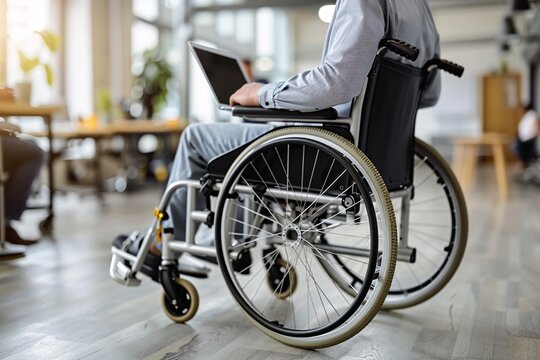
The Germany disabled and elderly assistive device market is expected to see substantial growth is predicted to reach USD 2.86 billion at a CAGR of 8.2% till 2030, propelled by the country’s aging population, increasing prevalence of chronic diseases, and ongoing advancements in assistive technologies. As Germany’s elderly population expands and healthcare technologies continue to evolve, the demand for solutions that improve mobility, safety, and daily living is set to increase, positioning the assistive device market for long-term growth.
Assistive devices, including mobility aids, hearing and vision aids, smart home solutions, and home healthcare products, are becoming vital tools for enhancing the quality of life for elderly individuals and people with disabilities in Germany. With the rising desire for aging-in-place solutions, the market is responding to a growing need for products that promote independence, well-being, and self-sufficiency.
Market Overview
The Germany disabled and elderly assistive device market comprises a wide range of products designed to improve mobility, sensory function, and quality of life for individuals living with disabilities or age-related conditions. These products include traditional mobility aids like wheelchairs, walkers, and scooters, as well as hearing aids, visual aids, personal emergency response systems (PERS), and more advanced technologies like AI-powered mobility solutions, robotic exoskeletons, and smart home systems.
Experience It for Yourself – Download a FREE Sample!
As the elderly population in Germany continues to grow, particularly among those aged 65 and older, the demand for assistive devices that allow people to live independently and safely in their own homes is expected to rise sharply. Technological innovations are helping to meet these needs, offering personalized solutions that enhance mobility, communication, and health management.
Key Drivers of Market Growth
- Aging Population and Increasing Prevalence of Chronic Conditions
Germany, like many other European countries, is experiencing a significant demographic shift, with an increasingly aging population. According to the German Federal Statistical Office, by 2030, over 25% of the population will be 65 years or older. As people age, they are more likely to experience a range of health conditions such as reduced mobility, arthritis, cognitive decline, and sensory impairments. Chronic diseases such as diabetes, heart disease, and neurological disorders are also more prevalent among the elderly, creating an increased demand for assistive technologies to help manage these conditions and support daily living. - Technological Advancements in Assistive Devices
The German market is benefiting from continuous innovations in assistive technologies, which are improving both the functionality and accessibility of devices. Artificial intelligence (AI) and robotics are playing an increasingly important role in mobility aids and health monitoring solutions. For example, AI-powered wheelchairs, exoskeletons that help individuals regain mobility, and smart devices that allow for home automation and health monitoring are gaining traction in Germany. These technologies not only help individuals stay independent but also improve safety and overall well-being.
Download Your Free Sample Today!
- Rising Demand for Aging-in-Place Solutions
The aging-in-place movement is gaining momentum in Germany, with more seniors choosing to remain in their homes rather than move to nursing or assisted living facilities. This shift has led to a growing demand for assistive devices that support independent living. Products such as fall detection sensors, personal emergency response systems (PERS), remote health monitoring devices, and home automation systems are becoming essential for elderly individuals who wish to age in place. These devices provide peace of mind to both seniors and their families, ensuring that help is always available if needed.
Challenges and Opportunities
Despite the positive growth prospects, there are challenges facing the German market for assistive devices. The high cost of some advanced products, such as robotic exoskeletons and sophisticated smart home systems, can be a barrier for many individuals, especially those with limited financial resources. Additionally, some of these devices may require a level of technical knowledge or support that may not be easily accessible for elderly users.
However, these challenges present opportunities for companies to create more affordable, user-friendly solutions. By focusing on ease of use, affordability, and integration with existing healthcare systems, companies can better cater to the needs of the German market. Additionally, there is significant potential for innovation in areas like telemedicine, integrated health monitoring, and home automation, where assistive devices can work together to provide a comprehensive solution for elderly care.
Market Outlook
The German disabled and elderly assistive device market is set to grow substantially in 2025 and beyond. With an aging population, increasing prevalence of chronic health conditions, and rising demand for aging-in-place solutions, the market is expected to continue expanding. Technological advancements, such as AI-powered mobility aids, smart home systems, and health monitoring solutions, will play a key role in transforming the way elderly individuals and people with disabilities manage their daily lives.
Germany’s strong healthcare infrastructure, government support, and increasing awareness of the benefits of assistive technologies will help drive continued market growth. Companies that focus on developing affordable, accessible, and innovative products will be well-positioned to succeed in the growing market, improving the quality of life for millions of elderly individuals and people with disabilities in Germany.
